

Tinubu’s Sports Vision: Grassroots Focus or Familiar Promises?
President Tinubu’s administration is again emphasizing grassroots sports development. News outlets report a renewed focus on talent discovery and athlete grooming, even reviving the “Hunt a Talent, Adopt a Talent” initiative. It’s a familiar refrain, one we’ve heard from administrations past. Are things truly different this time?
The plan, as presented by Senior Special Adviser Adeyinka Adeboye, sounds good on paper. Starting from primary schools, nurturing young talent, and ensuring proper support throughout their development. This echoes the sentiment that sports should be central to youth empowerment and national unity. Adeyinka also mentioned including sports journalists in national appointments. All of this suggests a more inclusive approach. >
>
Yet, skepticism lingers. We’ve witnessed grand plans before that fizzled out due to lack of funding, poor execution, or simply a shift in priorities. Promises of youth empowerment and national unity through sports are commonplace, but transforming them into tangible results proves elusive.
The “Hunt a Talent, Adopt a Talent” program itself raises questions. While it supposedly produced some of Nigeria’s finest athletes in the past, what mechanisms are in place to ensure transparency and prevent corruption this time around? How will they guarantee that deserving athletes, regardless of their background or connections, get a fair chance? What support systems will be in place to prevent athletes from being exploited?
It’s encouraging to see the government acknowledge the role of sports journalism, promising greater integration into sports administration. Sports journalism plays a crucial role in holding authorities accountable, so their involvement is vital.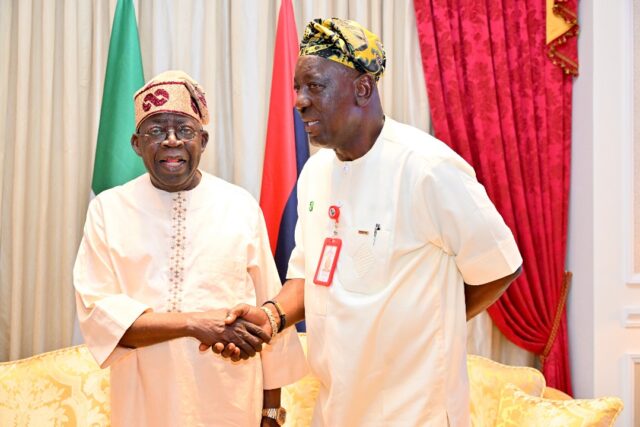 >
>
Still, past experiences color my outlook. I’ve seen firsthand how political rhetoric often overshadows genuine commitment to sports development. I’ve observed young athletes with immense potential being abandoned due to lack of support and proper infrastructure. I recall countless initiatives launched with fanfare, only to be forgotten months later.
This focus on grassroots development aligns with broader discussions around sports investment. There’s a growing consensus that neglecting the foundation undermines the entire sports ecosystem. It’s about more than just winning medals at international competitions; it’s about building a sustainable system that provides opportunities for all.
The success of this initiative hinges on several factors. Adequate funding is critical. Without sustained financial support, programs will inevitably falter. Effective management is equally vital. The initiative must be run by competent professionals with a clear understanding of sports development. Accountability is crucial. There needs to be transparent mechanisms to track progress and ensure that funds are used effectively.
Given these facts, I’m cautiously optimistic. The rhetoric is promising, but the proof will be in the execution. If the Tinubu administration can translate its words into concrete action, prioritize long-term sustainability over short-term gains, and ensure transparency and accountability, then this renewed focus on grassroots sports could potentially transform the Nigerian sports landscape.
It’s worth noting that genuine grassroots sports development also requires addressing systemic issues. These issues include outdated infrastructure, lack of qualified coaches, and inadequate access to sports facilities, especially in rural areas. Tackling these challenges is essential for creating a level playing field for all aspiring athletes.
Consider the role of private sector involvement. While government initiatives are important, fostering partnerships with private companies can provide additional resources and expertise. Encouraging businesses to invest in grassroots sports through sponsorships, infrastructure development, and athlete support programs can supplement government efforts and ensure long-term sustainability.
This challenge also presents an opportunity to leverage technology. Digital platforms can be used to scout talent, track athlete progress, and provide access to online training resources. Using technology can help to democratize access to sports opportunities and connect athletes with coaches and mentors from across the country.
Yet, technology is not a panacea. While it can enhance sports development efforts, it’s important to address the digital divide. Ensuring that all athletes, regardless of their socioeconomic background, have access to technology and the internet is crucial for maximizing the impact of digital initiatives.
To that end, it is essential to create a culture of sportsmanship and fair play. Emphasizing ethical values, promoting respect for opponents, and discouraging cheating and doping are vital for developing well-rounded athletes and preserving the integrity of sports.
The narrative surrounding grassroots sports development needs to shift from a top-down approach to a bottom-up one. Empowering local communities to take ownership of sports programs, providing them with the resources and support they need, and involving them in decision-making processes can foster a sense of ownership and ensure that programs are tailored to the specific needs of each community.
Still, the government has a crucial role to play in providing overall direction and ensuring that programs align with national sports goals. Striking the right balance between central coordination and local autonomy is essential for achieving sustainable grassroots sports development.
President Tinubu’s renewed focus on grassroots sports development represents a potential turning point for Nigerian sports. Whether this translates into real change remains to be seen. The government’s ability to execute its plans effectively, address systemic issues, and foster a culture of transparency and accountability will determine the success of this initiative. Only time will tell if this renewed commitment will yield the desired results or simply become another unfulfilled promise.


![[post_title]](https://samony.com.ng/wp-content/uploads/2025/12/YouTube-brings-expressive-captions-to-all-devices-300x169.jpg?lm=69314B06 "YouTube’s New “Expressive Captions”: Cool Tech or Just for Show?")
![[post_title]](https://samony.com.ng/wp-content/uploads/2025/12/Alleged-manslaughter-victim-told-classmate-she-was-treated-like-a-300x169.jpeg?lm=69314C01 "Jenni Wilmott Trial: Did Systemic Failures Lead to a Preventable Tragedy?")
![[post_title]](https://samony.com.ng/wp-content/uploads/2025/12/1764833148_See-A24-trailer-cast-and-release-date-300x169.webp "A24’s “Mother Mary”: Hathaway & Coel’s Sinister Secret We Can’t Wait to Uncover")

![[post_title]](https://samony.com.ng/wp-content/uploads/2025/12/Introducing-the-New-YouTube-Recap-Your-Year-on-YouTube-1024x576.png?lm=693153DC "YouTube’s “Recap”: Data Mine or Digital Reflection?")
![[post_title]](https://samony.com.ng/wp-content/uploads/2025/12/Ned-Nwoko-paid-us-N5-million-each-to-kill-Regina-1024x555.jpg?lm=69315410 "Ned Nwoko & Regina Daniels: Murder Plot Claim Shakes the Internet – What Happens Now?")
