

![[post_title]](https://samony.com.ng/wp-content/uploads/2025/11/1764188808_Americans-Add-Surplus-Food-Shopping-to-Their-List-of-Money-Saving-Grocery-1024x683.jpg?lm=6927628A)
Surplus Food Shopping: A Smart Grocery Trend or a Sign of the Times?
Americans are getting ready for Thanksgiving, but beneath the feast, something’s shifting in how people shop for food. It seems scoring discounted groceries that might otherwise be binned is becoming a savvy way to save. Is this just a passing fad, or does it point to a deeper change in consumer behavior?
We’ve seen shoppers adjust their spending habits before. Coupons, store brands, buying less overall – these are familiar tactics. But these days, there’s a growing interest in apps and services that offer surplus food at reduced prices. Imperfect produce, near-expiration-date items – they’re all finding a new market.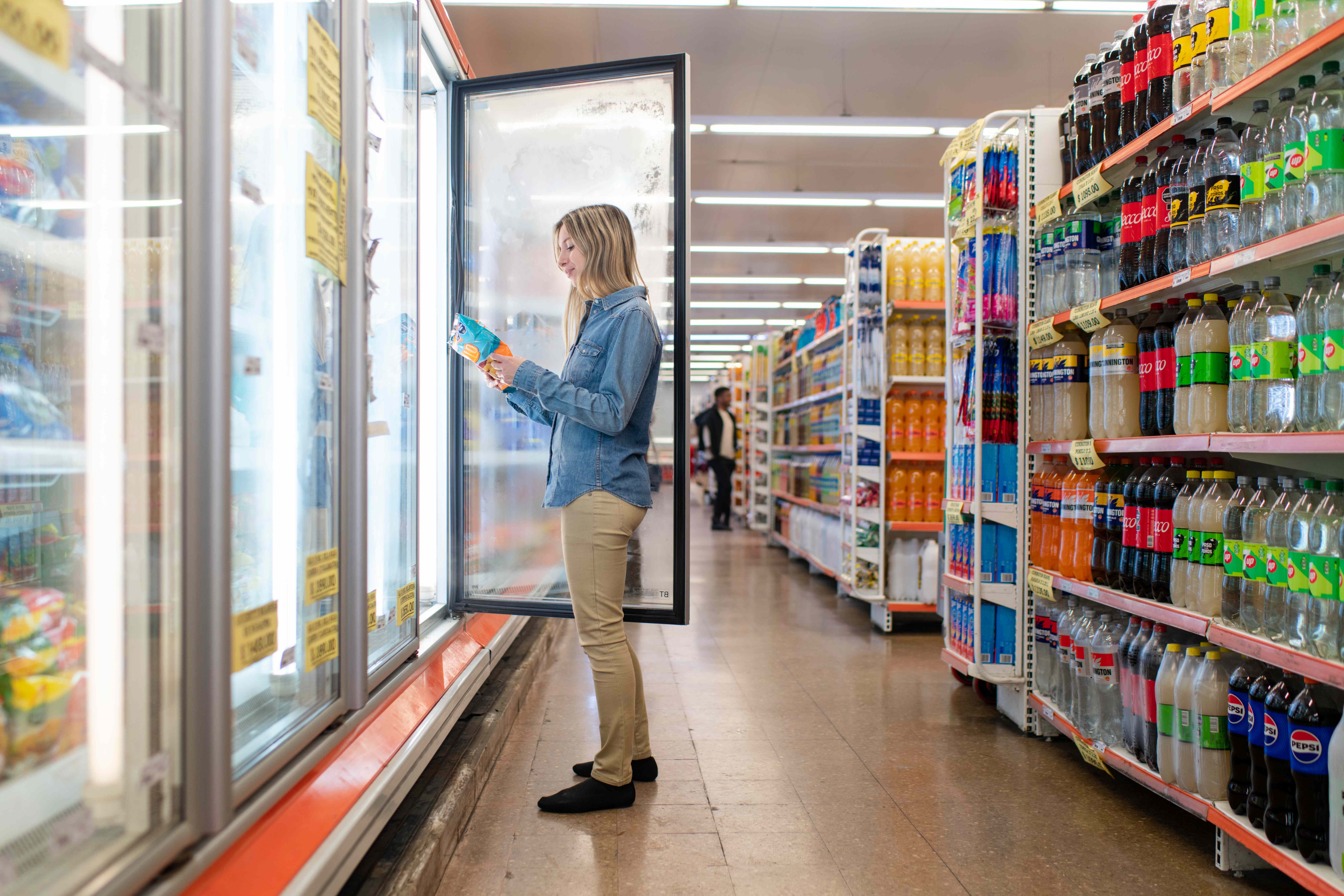 >
>
Kroger linked up with FlashFood. Whole Foods is pushing “Surprise Bags” through Too Good to Go. These moves highlight a desire to cut food waste and, of course, appeal to the budget-conscious consumer.
Why this surge in interest? It’s not simply that food costs have skyrocketed. It’s the accumulation of financial pressures: housing, utilities, general consumer goods. Food, being a flexible part of the budget, often faces the axe, especially for lower-income households.
I remember during the 2008 recession, seeing similar cost-cutting measures. People grew vegetable gardens, families shared meals, and creative approaches to stretching every dollar were everywhere.>
But this current trend feels a little different. It’s tech-driven, for one. Apps like FlashFood and Too Good to Go connect consumers directly to stores with surplus inventory. Misfits Market, another player, has noted increased customer growth as affordability concerns become more apparent. Folks openly acknowledge that their budgets are squeezed, and they want access to quality food without breaking the bank.
Still, a few questions linger. Is this “surplus shopping” actually saving significant money, or is it a way for retailers to offload products they couldn’t sell at full price anyway? Are consumers truly getting a bargain, or are they simply buying items they wouldn’t otherwise purchase, lured by the discount?
The narrative that “food is getting more expensive” is a bit of a simplification. The issue goes far beyond pure sticker shock, it’s about the overall economic environment. With persistent inflation and a looming fear of job insecurity, folks are looking for ways to control what they can. Surplus food apps can become a tool for that control.
It’s interesting to watch big players like Kroger and Whole Foods adopt these approaches. It shows that these companies understand the change underway. They see the demand for value, and they’re attempting to meet it by reducing food waste and supporting consumers’ budgets.
From a broader perspective, the shift towards surplus shopping is interesting. On one hand, it’s a pragmatic response to economic pressures. On the other, it could signal a wider cultural move toward sustainability and a rejection of excessive wastefulness. Maybe future generations will be less obsessed with flawless grocery produce and more focused on the inherent value of food itself.
This focus on value puts pressure on grocery stores. They need to demonstrate to consumers that they’re offering the best possible deal. This may lead to increased competition, lower prices, and more innovative ways to reduce waste and appeal to thrifty shoppers.
However, I remain a touch skeptical. The long-term viability of these surplus food models depends on several factors, including consistent supply, logistical efficiency, and consumer trust. If the quality of “rescued” food is inconsistent or the user experience is clunky, consumers might lose interest.
It’s also worth wondering if this trend is mostly appealing to a specific demographic. Are lower-income families the main users, or are environmentally conscious, middle-class shoppers also driving demand? Answering these questions will be key to understanding the true impact of surplus food shopping.
I believe we can expect the focus on value to continue shaping grocery shopping habits in the years ahead. Surplus food shopping is just one manifestation of this shift. The industry, meanwhile, will need to adapt. Retailers who can embrace creative solutions, reduce waste, and deliver genuine value will ultimately thrive. Shoppers will always want to save money on groceries, especially as the economy shifts and changes.

![[post_title]](https://samony.com.ng/wp-content/uploads/2025/12/1764802454_Tinubu-swears-in-5-perm-secs-chairman-members-of-NPC-300x210.jpg?lm=6930BF99 "Decoding Tinubu’s Appointments: A Veteran’s View on Priorities and Pitfalls")






![[post_title]](https://samony.com.ng/wp-content/uploads/2025/12/How-much-you-fit-withdraw-in-a-day-from-ATM.jpg?lm=6930C5C7 "Nigeria’s Cash Withdrawal Limits: Pragmatism, Mixed Signals, and the Unfolding Reality")

![[post_title]](https://samony.com.ng/wp-content/uploads/2025/12/1764802454_Tinubu-swears-in-5-perm-secs-chairman-members-of-NPC.jpg?lm=6930BF98 "Decoding Tinubu’s Appointments: A Veteran’s View on Priorities and Pitfalls")
