![[post_title]](https://samony.com.ng/wp-content/uploads/2025/11/1764170883_Auctioneer-accused-of-selling-20-million-worth-of-fake-art-1024x683.jpeg?lm=69271C87)
Art World Authenticity Under Scrutiny: A Critical Look at the $20 Million Forgery Allegation
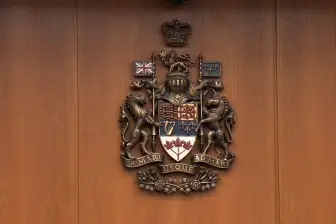
An Atlanta art appraiser, Allan Baitcher, now faces serious accusations of peddling fake art worth millions. The plaintiff, a Floridian millionaire, alleges Baitcher deceived him into purchasing forgeries of works attributed to art giants like Salvador Dalí and Banksy. A lawsuit claims Baitcher, along with his company Peachtree Antiques, manufactured authentication reports for hundreds of artworks and even created bogus websites and contacts for nonexistent art experts. The Beaux Arts Museum LLC’s suit casts a shadow over the art market, specifically the role of trust and authentication.
The accusation is that Baitcher exploited a long-standing friendship, turning a personal connection into a conduit for alleged fraud. According to the lawsuit, the plaintiff would travel to Atlanta, entrusting Baitcher to source authentic pieces. In contrast, Baitcher is accused of procuring counterfeits, largely from China, and attributing their provenance to a fictional association with the Hong Kong Museum of Art. These alleged fakes, valued at $200 million, were reportedly purchased for $20 million. The lawsuit seeks full restitution, damages, and interest.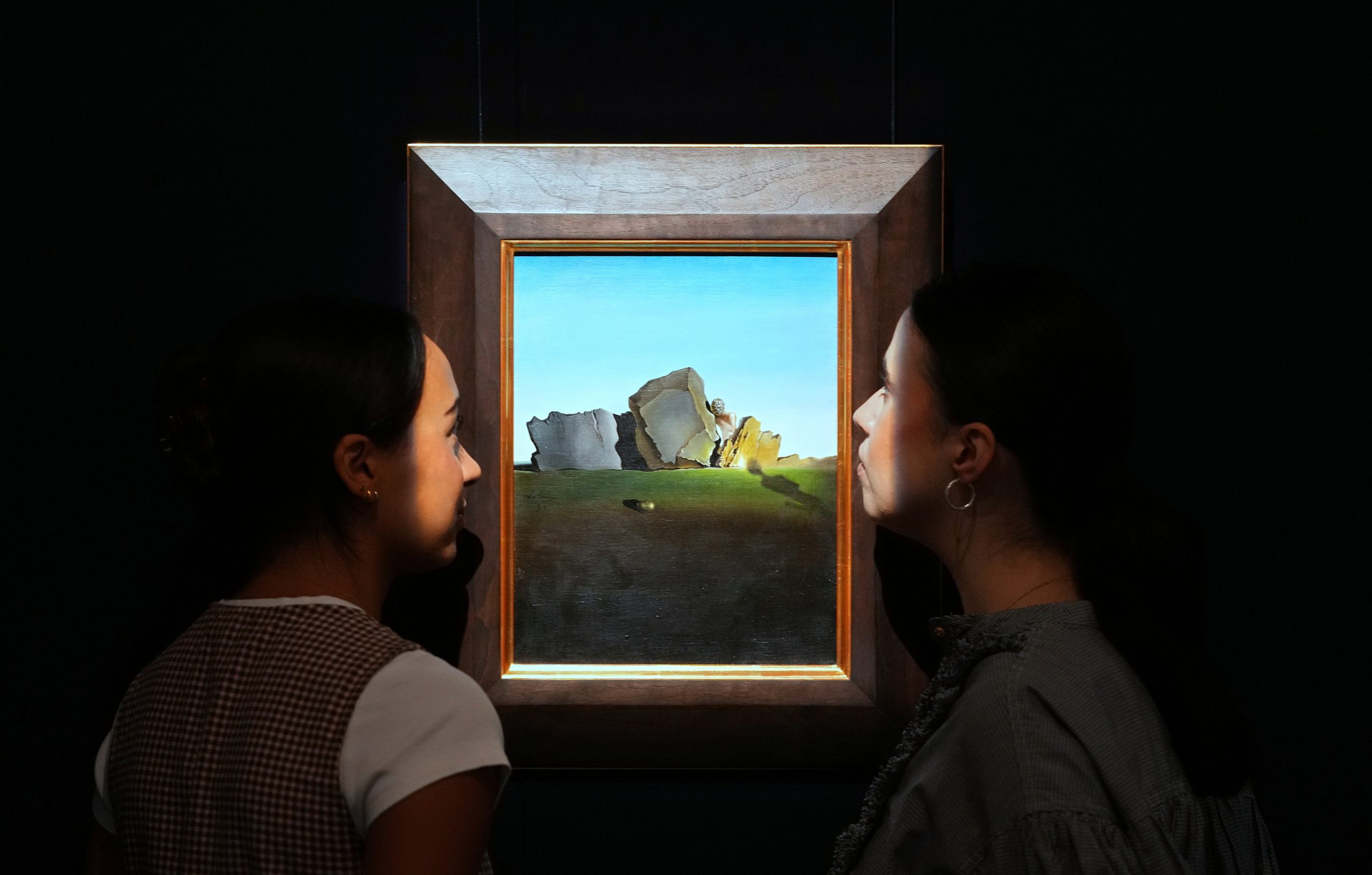 >
>
It’s worth noting Baitcher’s established reputation. His website touts decades of experience in the antique business, appraising for prominent institutions, including the White House. He even claims a Guinness World Record for rapid-fire auctioneering. Yet, these credentials now stand in stark contrast to the current charges.
The allegations raise a fundamental question: how secure is the art market? The industry thrives on trust, relying heavily on expert opinions and provenance research. This case underscores a potential vulnerability. Even seasoned collectors can become victims if the individuals they rely on are not scrupulous.
One has to wonder how frequently situations like this happen without ever surfacing to the public. The art world, at its highest levels, operates with a certain degree of discretion. Many transactions occur behind closed doors, which could mask illicit practices. What checks and balances exist to detect such fraudulent practices? Are current authentication methods truly foolproof, especially when faced with increasingly sophisticated forgeries? >
>
The reference to sourcing the counterfeits from China speaks to a wider trend. The market for forgeries has grown, with regions like China becoming hubs for producing convincing replicas. The Internet has given counterfeiters a global reach, making it more difficult to track and combat their activities.
This challenge isn’t just about identifying fakes. It’s also about the ethics of art dealing and appraisal. An appraiser’s role should involve impartiality, offering an unbiased assessment of an artwork’s authenticity and value. When appraisers allegedly manufacture fake documentation and exploit personal relationships for financial gain, it corrodes the integrity of the whole system.
From experience, I’ve learned that “due diligence” is more than just a catchphrase in the art world; it’s a necessity. Buyers must demand thorough documentation, seek multiple expert opinions, and independently verify the artwork’s history. Relying solely on a single appraiser, even one with an established reputation, can be a risky proposition.
It remains to be seen how the lawsuit will unfold. Baitcher has not yet issued a public statement refuting the claims. The legal process will likely involve careful scrutiny of the artwork, expert testimony, and an investigation into the alleged fraudulent practices. It will be interesting to see if the Hong Kong Museum of Art issues any statement regarding this also.
This challenge, while concerning, highlights an urgent need for greater transparency and accountability in the art market. Independent oversight, standardized authentication procedures, and stricter regulations could serve to minimize fraud and foster greater confidence among collectors.
Given these facts, this case should prompt serious discussions within the art community about best practices, ethics, and the future of authentication. It also underscores the responsibility of buyers to safeguard their investments through meticulous research and independent verification. The art market’s continued health hinges on its ability to address these vulnerabilities effectively.
It’s possible this case is just the tip of the iceberg. If these allegations ring true, it might spark a broader investigation into potential art fraud and the actions of other players within the industry. The art world will be watching closely. The repercussions of this lawsuit could significantly alter how art transactions are conducted and how trust is established.

![[post_title]](https://samony.com.ng/wp-content/uploads/2025/12/1764998564_Ukraine-Russia-war-latest-Putin-risks-fresh-row-with-Trump-after-300x200.jpeg?lm=6933BDA8 "Ukraine War Reshapes Global Order: A Complex Web of Power, Diplomacy, and Risk")
![[post_title]](https://samony.com.ng/wp-content/uploads/2025/12/High-Risk-for-Frostbite-Heart-Strain-and-Chronic-Conditions-300x169.jpg?lm=6933A071 "Polar Vortex Here? What You MUST Know to Stay Safe")

![[post_title]](https://samony.com.ng/wp-content/uploads/2025/12/Full-List-Of-Lawmakers-Who-Refused-To-Dump-PDP-For.jpg?lm=6933A187 "Rivers State: Defection Dynamics and Political Fortunes")

![[post_title]](https://samony.com.ng/wp-content/uploads/2025/12/Dangote-Speaks-On-Reducing-Price-Of-Petrol-After-Meeting-Tinubu.webp.webp "Dangote Speaks On Reducing Price Of Petrol After Meeting Tinubu")
![[post_title]](https://samony.com.ng/wp-content/uploads/2025/12/1764998564_Ukraine-Russia-war-latest-Putin-risks-fresh-row-with-Trump-after-1024x683.jpeg?lm=6933BDAE "Ukraine War Reshapes Global Order: A Complex Web of Power, Diplomacy, and Risk")