

![[post_title]](https://samony.com.ng/wp-content/uploads/2025/11/1764167913_Budget-sees-price-of-beer-wine-and-spirits-all-go-1024x538.jpg?lm=692710EB)
UK Alcohol Duty Hike: A Critical Look at the Budget’s Impact on Beer, Wine, and Spirits
The Chancellor’s recent budget announcement confirmed what many in the drinks industry anticipated: alcohol duty will climb, aligning with the Retail Price Index (RPI) inflation. This move has ripples that extend far beyond just a slight price increase at the pub. The updated alcohol tax is an excise duty applied to producers and importers, figured out by the strength of the alcohol, and is expected to generate around £13 billion for the financial year 2025-26.
On the surface, a 4.5% rise, mirroring September’s inflation figure, might not seem dramatic. Yet, when you consider the UK already shoulders some of the highest alcohol duties in Europe, this additional burden amplifies existing concerns. The UK is the third highest overall in excise rates on beer, wine and spirits across the EU, only behind Finland and Ireland. Take beer for instance; a standard 330ml bottle at 5% ABV attracts a tax of roughly €0.4187. This places the UK as the second-highest for beer taxes, exceeded only by Finland.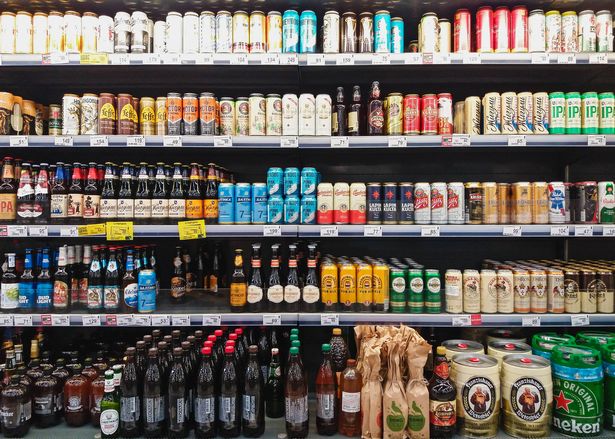 >
>
Wine presents another layer of complexity. Unlike many wine-producing nations in Europe where duty is minimal or non-existent, the UK levies a substantial tax. Expect to pay about £2.35 in excise duty on an average bottle. Given the absence of such duties in 15 EU countries, this can be considered a hefty amount.
It’s worth noting that the overall contribution of alcohol duty to total government revenue has actually been declining. Back in 1999/00, it represented around 1.8%. By 2018/19, that had slipped to 1.5%. A nominal increase is being made over time, but overall alcohol duty has been on the decline.
Now, let’s dive deeper into the duty structure itself. The government applies duty per litre of pure alcohol, introducing a revised system in August 2023. The rates shift across beverage types, including beer, cider, spirits, wine, and even account for draught variations. Drinks that measure at 1.2% ABV incur no duty. However, drinks exceeding 22% ABV will pay up to £32.79 per litre of pure alcohol. Each category will have up to six levels of duty that increases with ABV levels.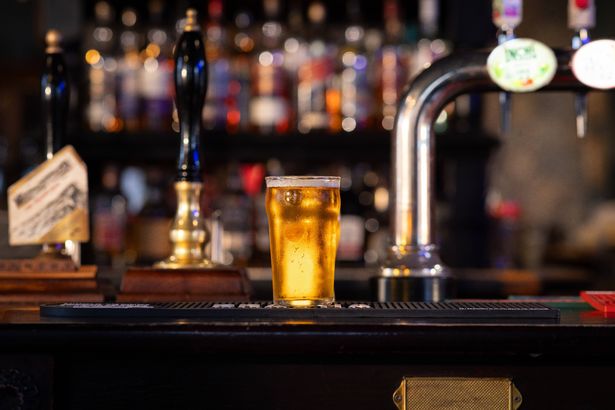 >
>
One can’t ignore the potential impact on consumers. Will drinkers simply absorb the extra cost, or will they adjust their purchasing habits? There is a risk of the later, with people potentially switching to cheaper alternatives or even reducing their consumption. It will cause a change in consumer behavior.
For pubs and restaurants, already battling rising energy costs and supply chain challenges, this duty hike feels like another punch to the gut. These businesses are often at the heart of their communities. It is clear that some might struggle to stay afloat if people visit less often.
Still, the government likely views alcohol duty as a relatively stable revenue stream. People tend to buy alcohol regardless of minor price changes. Also, increased revenue could fund public services or help offset other tax cuts.
Looking ahead, the drinks industry needs to demonstrate its value beyond just tax receipts. Showcasing the sector’s contribution to employment, tourism, and even cultural identity could influence future policy decisions. More broadly, we need a more nuanced discussion about alcohol consumption and its societal impact. Simply raising taxes might not be the most effective way to address complex issues like alcohol abuse.
This challenge isn’t new. I’ve seen similar patterns play out in other sectors. A seemingly minor tax increase can trigger a cascade of unintended consequences, affecting businesses, consumers, and ultimately, the overall health of the market. It will affect the overall value of market.
It will be interesting to observe how the market reacts to these changes. Will there be a surge in cross-border shopping, especially for those living near the Channel? Could this nudge consumers towards lower-alcohol options?
In any case, these are not hypothetical questions. The industry needs to monitor these trends closely and adapt. The future of enjoying a pint, a glass of wine, or a dram of whisky might depend on it.

![[post_title]](https://samony.com.ng/wp-content/uploads/2025/12/4-Reasons-Tomatoes-Can-Upset-Your-Stomach-300x169.jpg?lm=6930DA5E "Decoding Tomato Troubles: A Gut-Level Guide to Digestive Harmony")
![[post_title]](https://samony.com.ng/wp-content/uploads/2025/12/NGX-Deepens-Market-Offerings-With-Commercial-Paper-Listings-300x212.png?lm=6930DAA8 "Nigeria’s Risky Bet: Will NGX’s New Debt Play Actually Pay Off?")
![[post_title]](https://samony.com.ng/wp-content/uploads/2025/12/1764809392_Nato-hits-back-at-Putins-threat-of-war-in-Europe-300x200.jpeg?lm=6930DAB4 "Geopolitics on Edge: Is Wider European Conflict a Rising Threat?")
![[post_title]](https://samony.com.ng/wp-content/uploads/2025/12/Senate-summons-finance-education-ministers-over-collapse-of-30m-Safe-300x200.jpeg?lm=6930DB39 "$44 Million for Safe Schools: Where Did It Go?")
![[post_title]](https://samony.com.ng/wp-content/uploads/2025/12/How-much-you-fit-withdraw-in-a-day-from-ATM-300x169.jpg?lm=6930C5C9 "Nigeria’s Cash Withdrawal Limits: Pragmatism, Mixed Signals, and the Unfolding Reality")

![[post_title]](https://samony.com.ng/wp-content/uploads/2025/12/Burna-Boy-Offers-to-Pay-Burial-Costs-for-Children-Killed.jpg?lm=6930DBD8 "Burna Boy Offers Funeral Support After Stockton Shooting")

![[post_title]](https://samony.com.ng/wp-content/uploads/2025/12/4-Reasons-Tomatoes-Can-Upset-Your-Stomach-1024x575.jpg?lm=6930DA5E "Decoding Tomato Troubles: A Gut-Level Guide to Digestive Harmony")
