

![[post_title]](https://samony.com.ng/wp-content/uploads/2025/11/Australian-teenagers-sue-government-saying-social-media-ban-violates-their-1024x683.jpg?lm=69270DE1)
Australia’s Social Media Ban for Under-16s: A Constitutional Minefield?
Australia’s move to outlaw social media for those under 16 has sparked a firestorm, with a legal challenge emerging swiftly. Two teenagers are spearheading a High Court case, arguing that the ban infringes on their constitutional right to free communication. The Digital Freedom Project backs their effort, calling the law “grossly excessive.” This isn’t just about TikTok dances; it’s a debate about fundamental rights in the digital age.
Australia frames its ban as a necessary shield, protecting children from the darker corners of the internet. Communications minister Anika Wells defends the policy, stating the government stands “on the side of parents and not platforms.” A noble sentiment, sure. Yet, there’s a tension here. Is a blanket ban genuinely protective, or is it a blunt instrument that stifles young voices and limits their access to vital information and connection?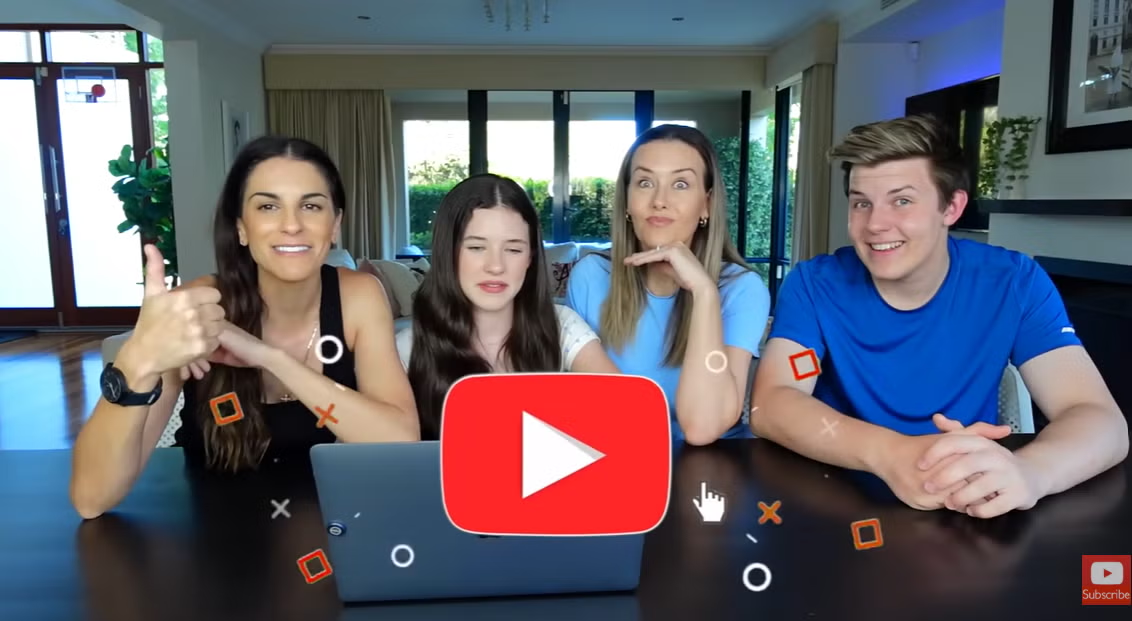 >
>
These young plaintiffs aren’t buying the protective narrative. They see themselves as “digital natives” being silenced by a government unwilling to invest in comprehensive digital literacy programs. They argue the ban is reminiscent of Orwell’s “1984,” a chilling analogy that resonates with many who fear government overreach. One plaintiff, Macy, puts it succinctly: “If you personally think that kids shouldn’t be on social media, stay off it yourself, but don’t impose it on me and my peers.”
The lawsuit raises pivotal questions about the balance between child protection and freedom of expression in the online sphere. The Digital Freedom Project argues that a blanket ban disproportionately harms vulnerable teenagers: those with disabilities, First Nations youth, LGBTQ+ individuals, and those in rural areas who rely on social media for support and information. These groups often rely on these platforms for community building and self-expression. Removing this access presents a problem.
There’s the proportionality argument, too. Is a complete ban the only way to address the risks associated with social media use? The Digital Freedom Project advocates for alternative solutions: digital literacy programs, age-appropriate platform features, and age-assurance technologies with stronger privacy protections. These alternatives may prove more effective in the long run, fostering responsible online behavior instead of simply cutting off access.>
Google’s concern hints at the far-reaching implications of this ban. It appears they’re exploring a separate legal challenge, claiming the ban would hinder young adults’ ability to post and comment on YouTube videos, thus limiting their political communication. Google sees a potential impact on the free exchange of ideas, a key tenet of democratic society. It’s a shrewd move, leveraging the political communication argument to protect their own interests.
This legal battle isn’t unfolding in a vacuum. Globally, regulators are grappling with how to manage the impact of social media on young people’s mental health and well-being. There’s a valid concern that social media platforms can contribute to anxiety, depression, and body image issues. However, any potential solution needs to be carefully calibrated to avoid infringing on fundamental rights.
The Australian case will set a precedent, influencing how other countries approach the regulation of social media. It could signal a move towards stricter controls, or it could highlight the importance of nuanced policies that balance protection with freedom of expression. The outcome could dictate the future of digital citizenship for young people around the globe.
It’s worth acknowledging the counterarguments. Some would say children simply lack the cognitive maturity to navigate the complexities and potential dangers of social media. They believe that platforms are designed to be addictive, exploiting vulnerabilities in young brains. Proponents of the ban might argue that it’s a necessary step to protect children from online predators, cyberbullying, and exposure to harmful content. These are legitimate concerns that need careful consideration.
The Australian government would do well to consider looking to the EU. The EU takes a different, less restrictive direction. Instead, the EU focuses on comprehensive regulatory frameworks. The Digital Services Act (DSA) and the Age Appropriate Design Code are examples of the EU’s direction.
My own observation, after years of watching this tech landscape evolve, is that outright bans rarely work as intended. They often drive users to less regulated platforms, making it harder to monitor and address harmful behavior. A more effective approach involves empowering young people with the skills and knowledge they need to navigate social media safely and responsibly.
This case will likely take time to wind its way through the courts. The arguments are complex, and the stakes are high. Whatever the outcome, it will undoubtedly shape the debate about social media regulation for years to come. The clash between parental concern, governmental control, and the digital rights of young people is now formally engaged. How this plays out in Australia will echo around the world.


![[post_title]](https://samony.com.ng/wp-content/uploads/2025/12/1764816647_Doctor-sentenced-to-over-2-years-in-prison-for-selling-300x200.jpg?lm=6930F70B "Ketamine, Addiction, and the Cracks in Our Care: A Systemic Failure Exposed")
![[post_title]](https://samony.com.ng/wp-content/uploads/2025/12/Folate-is-a-key-pregnancy-vitamin-but-not-all-supplements-300x169.jpeg?lm=6930F784 "Prenatal Vitamins: What Really Matters (And What’s Just Hype)")
![[post_title]](https://samony.com.ng/wp-content/uploads/2025/12/30m-Safe-School-probe-Senate-summons-govs-Edun-Education-Defence-300x182.jpeg?lm=6930F790 "$30 Million Vanished? Senate Grills Officials on Nigeria’s “Safe Schools” Promise.")
![[post_title]](https://samony.com.ng/wp-content/uploads/2025/12/Burna-Boy-pledges-to-cover-funeral-costs-for-children-killed-300x150.jpg?lm=6930F7DE "Burna Boy’s Pledge: Genuine Help, or Calculated Move?")

![[post_title]](https://samony.com.ng/wp-content/uploads/2025/12/CBN-Removes-Cash-Deposit-Limit-for-Bank-Customers-in-Nigeria.jpg?lm=6930FE80 "Nigeria’s new cash rules: CBN giveth, CBN taketh away?")
![[post_title]](https://samony.com.ng/wp-content/uploads/2025/12/INEC-Urges-Nigerians-To-Flag-Ineligible-Dead-Persons-As-Voter.jpg?lm=6930F8AE "Nigeria’s Voter Roll: Public Vigilance Alone Won’t Deliver Integrity")
