

Cristiano Ronaldo’s World Cup Escape: A Critical Look at FIFA’s Decision
Cristiano Ronaldo’s cleared to play in Portugal’s World Cup opener. The FIFA disciplinary committee lessened his three-game ban. Really, anyone surprised? After his red card incident against Ireland, questions swirled about his World Cup availability.
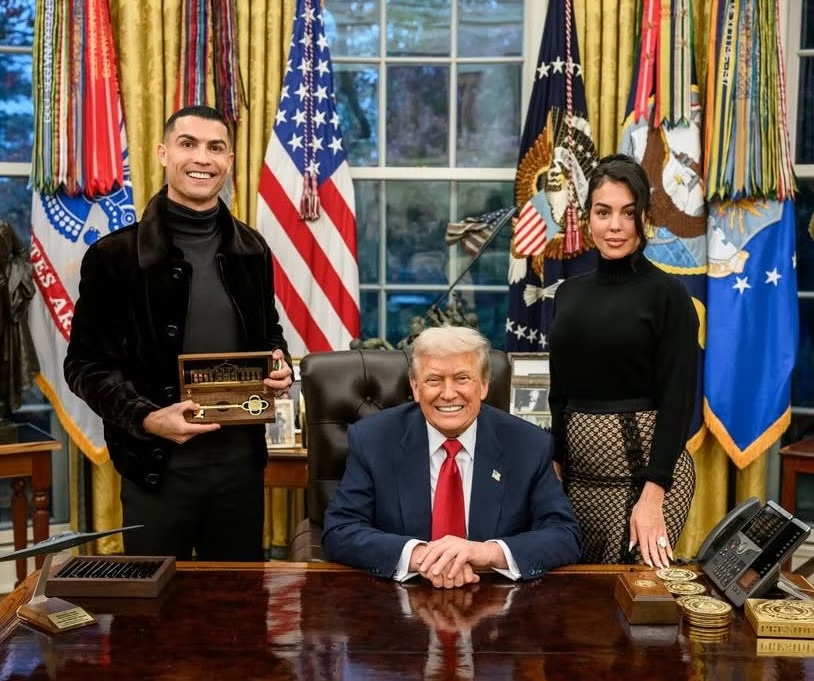
It’s worth mentioning that, just days prior, Ronaldo dined with Donald Trump at the White House. He was an envoy for Saudi Arabia’s Crown Prince Mohammed bin Salman. Following that, FIFA hands down a ruling that, frankly, feels tailored for him. This situation raises questions of fairness. Would any other player get the same treatment?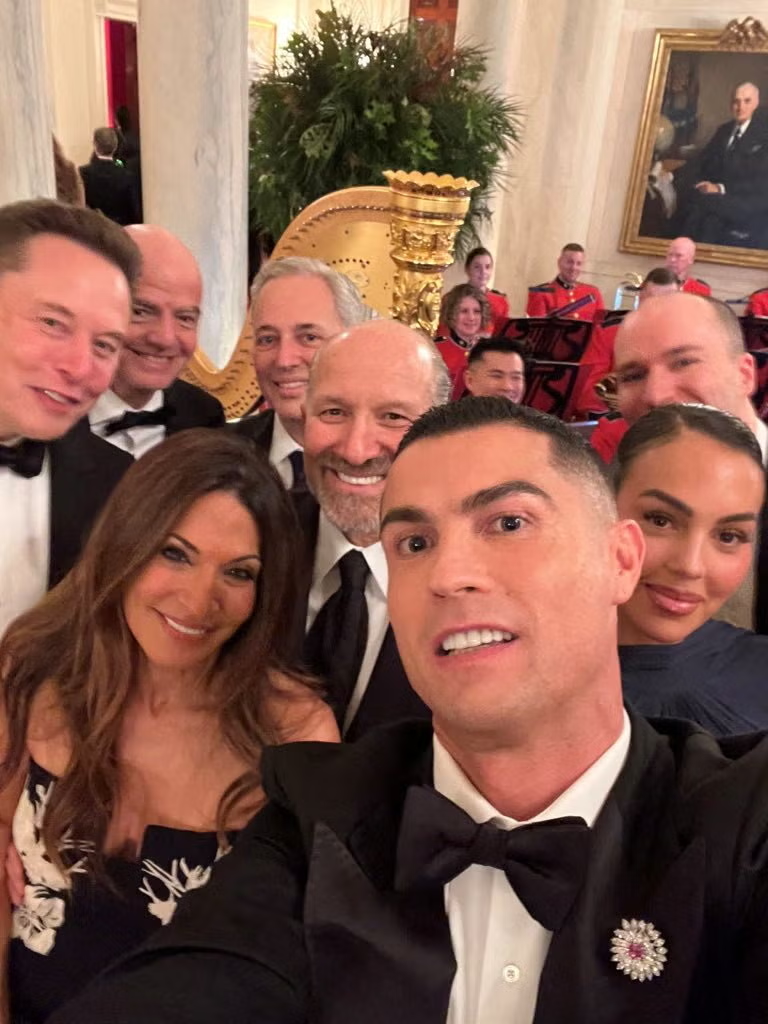 >
>
Ronaldo is a global icon. His fanbase dwarfs the populations of many World Cup nations. His influence is undeniable. His punishment got reduced to a single-game ban with a warning. A future “infringement of a similar nature” could reinstate the suspension.
This move, even by FIFA’s standards, seems brazen. The audacity of it is breathtaking. One can’t help but be skeptical. Ronaldo’s red card stemmed from an elbow swung at Ireland defender Dara O’Shea. Portugal’s manager, Roberto Martinez, downplayed the incident. He argued the action looked worse than it was.
An automatic one-game ban resulted, served during Portugal’s 9-1 victory over Armenia. However, FIFA’s disciplinary code allows for increased suspensions for violent conduct. At least three games, potentially. These suspensions can carry over to the World Cup finals.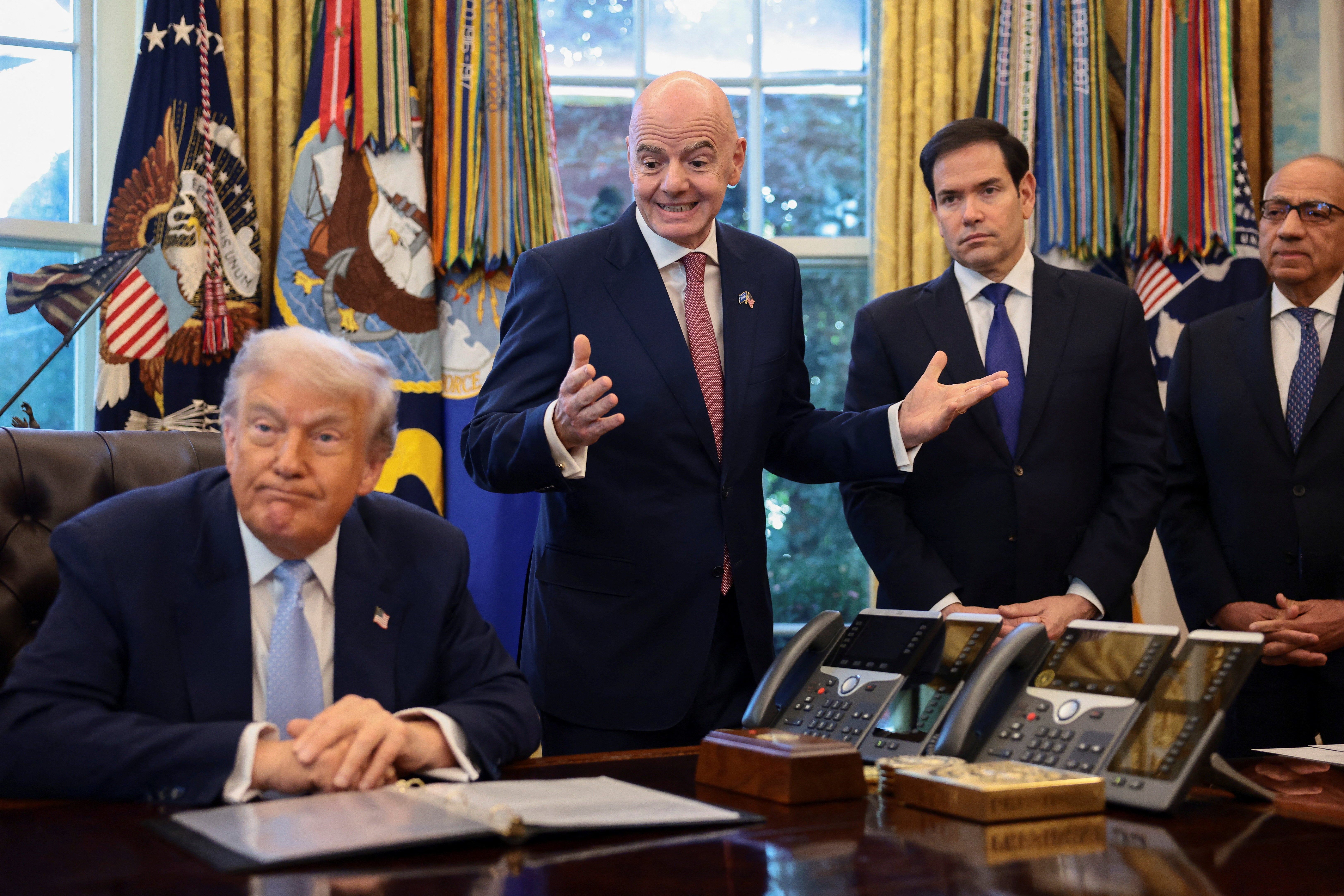 >
>
FIFA decided on a three-game ban. Yet, citing Article 27 of their code, they suspended the remaining two matches, pending good behavior. This clause permits the “judicial body” to suspend disciplinary measures. It is essentially saying, “We can because we said so”.
Precedents for this are scarce. Two examples cited involve a minor violation by an Israeli club and Mexican fans’ homophobic chants. Neither case involved reducing a ban for violent conduct. This ruling feels unique. It lacks clear justification.
Assuming he behaves, Ronaldo will play in Portugal’s World Cup opener. The draw is set for December 5th in Washington D.C., Trump will join Infantino.
Another layer exists here: the Ronaldo-Messi rivalry. Both are vying to be the first to appear in six World Cups. Ronaldo, still scoring spectacular goals, will be 41 by the next World Cup. He’s already stated it will be his last.
This presents a unique opportunity. FIFA, Ronaldo, and seemingly Trump’s vision for the World Cup understand this. Every minute of his involvement is precious. The goal: maximize exposure. The show couldn’t realistically commence without its biggest draw, could it?
Having watched this unfold, the decision, while not entirely shocking, leaves a bad taste. It’s this perceived lack of level playing field that sticks in the craw. This isn’t about whether Ronaldo deserves to play; it’s about the precedent. It’s about consistency and fairness. It’s about the message it sends to every other player dreaming of that World Cup stage.
The optics are, well, let’s just say they aren’t great. While FIFA points to mitigating factors like Ronaldo’s clean disciplinary record, it’s hard to shake the feeling that influence played a part. After seeing similar situations play out in the past, this result seems destined. This isn’t necessarily an indictment of Ronaldo himself but more of the system within which he operates. It’s this system that appears to bend at the whims of star power and political maneuvering.
So, Ronaldo’s cleared. Portugal will likely benefit. The World Cup gets its star. Yet, the lingering question remains: at what cost? How much is competitive integrity worth when weighed against the allure of celebrity and the sway of powerful connections? It’s a question that continues to haunt the beautiful game.

![[post_title]](https://samony.com.ng/wp-content/uploads/2025/12/1764786928_Canada-puts-new-restrictions-on-pistachios-from-Iran-amid-salmonella-300x158.jpg?lm=693082F3 "Canada Imposes Tighter Controls on Iranian Pistachios Due to Salmonella Outbreak")
![[post_title]](https://samony.com.ng/wp-content/uploads/2025/12/1764786558_Singer-Peter-Okoye-opens-up-on-greatest-fear-in-life-300x183.jpeg?lm=69308181 "Mr. P’s biggest fear isn’t what you think, and it’s surprisingly relatable")

![[post_title]](https://samony.com.ng/wp-content/uploads/2025/12/1764789509_Triunfo-descomunal-del-Barca-en-un-Spotify-Camp-Nou-colosal-1024x576.jpeg?lm=69308D08 "Football’s Fluidity: Barcelona vs Atletico")
![[post_title]](https://samony.com.ng/wp-content/uploads/2025/12/1764789516_You-came-out-of-nowhere-Lady-shares-encounter-with-2baba-1024x535.jpg?lm=69308D10 "Navigating Fame, Love, and Loyalty: Hard Truths from a Life Inside Celebrity Relationships")
![[post_title]](https://samony.com.ng/wp-content/uploads/2025/12/1764786928_Canada-puts-new-restrictions-on-pistachios-from-Iran-amid-salmonella.jpg?lm=693082F2 "Canada Imposes Tighter Controls on Iranian Pistachios Due to Salmonella Outbreak")
