

![[post_title]](https://samony.com.ng/wp-content/uploads/2025/11/How-Pirelli-is-preparing-for-MotoGP-2027-takeover-from-Michelin-1024x682.jpg?lm=6926F4D2)
Pirelli’s MotoGP Takeover: More Than Just New Rubber?
MotoGP is gearing up for a significant shake-up in 2027. New regulations are inbound – smaller 850cc engines, less emphasis on aerodynamics, and bye-bye ride-height devices. The real kicker, however, is Michelin’s departure and Pirelli stepping in as the sole tire supplier. This isn’t just a swap of brands; it signals a potential shift in the series’ character.
Pirelli, fresh off initial prototype tests at Misano, is already deep in the development phase. They face the challenge of creating tires for larger MotoGP rims while catering to each manufacturer’s specific needs. According to Giorgio Barbier, head of Pirelli’s motorcycle racing division, early tests provided a valuable benchmark. Now, the focus turns to developing tires ready for the upcoming 850cc bike tests.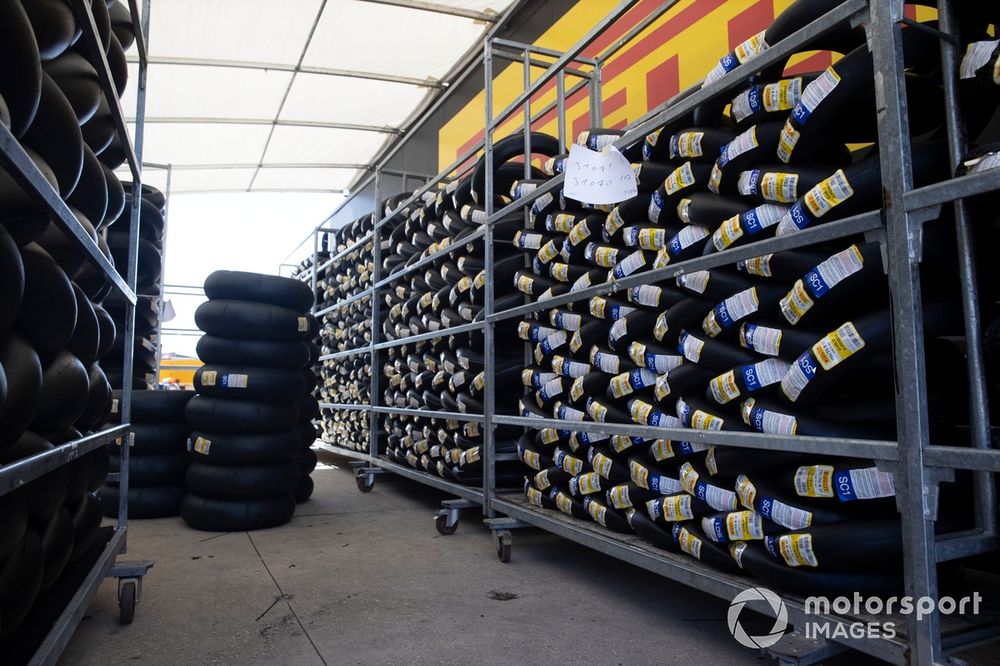 >
>
One has to wonder: what exactly will Pirelli bring to the table? Riders who’ve switched from MotoGP to WorldSBK often praise Pirelli’s front tire. The feedback it delivers supposedly inspires confidence. If Pirelli can replicate that feel in MotoGP, it could alter how riders approach the limit.
The question becomes, will these MotoGP tires be just beefed-up versions of what we see in SBK or Moto2? Pirelli insists their “DNA” will remain consistent, aiming for a familiar feel across all their products. It’s a shrewd move, keeping their brand identity sharp.
It’s worth noting that Pirelli can’t directly consult with current MotoGP riders just yet, respecting existing contracts. Instead, they’re tapping into the knowledge of technicians and engineers within the paddock. This indirect approach might be slower, but avoids stepping on any toes.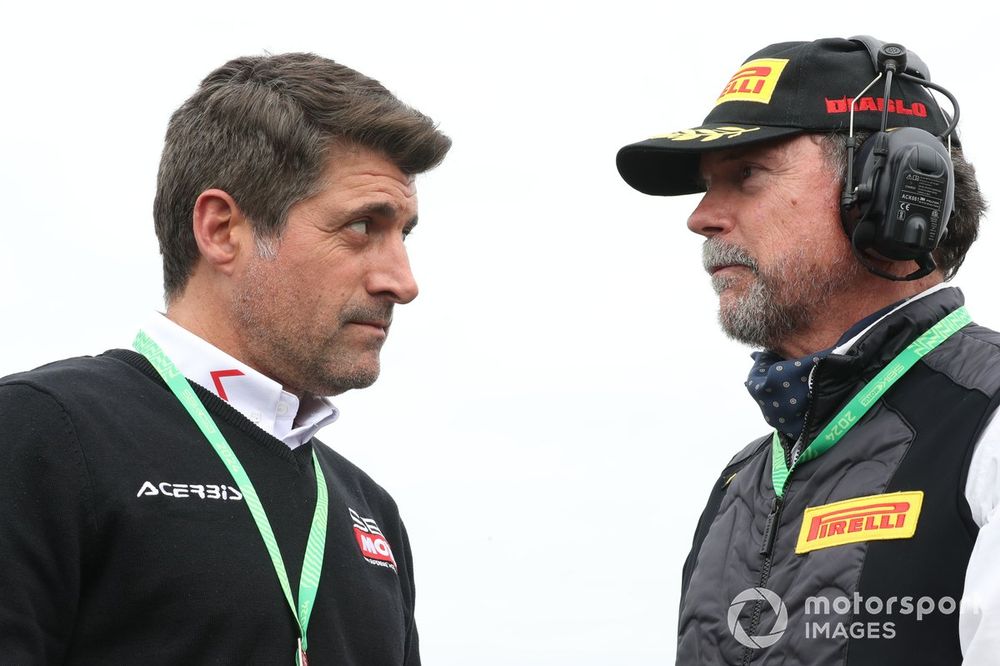 >
>
Could riders with prior Pirelli experience in Moto2 or WorldSBK have an edge? Barbier downplays the idea, citing examples of MotoGP riders quickly adapting to Pirelli tires in Superbikes. Still, you’d think riders who spend the next year testing Pirelli’s rubber will inevitably enter 2027 with a leg up. That early familiarity definitely counts.
In recent MotoGP seasons, lap records have become a key performance indicator for tire manufacturers. Pirelli acknowledges this. They aim to measure their progress not only by product quality and rider feedback but also by consistently pushing the boundaries of what’s possible on track. Performance and durability matter.
This leads to a fundamental question: safety or outright speed? Pirelli says they want to ensure smooth collaboration with manufacturers and riders, understanding their needs and aligning with Dorna’s vision. They downplay the need for performance concessions. The key is finding a balance between spectacle and safety.
Quality control is paramount, a fact Luca Marini highlighted. He emphasized consistency above all else. Pirelli assures that rigorous testing and mass production help ensure uniformity. While a defective tire is always possible, they strive to maintain high standards. That’s the promise, anyway.
The operation will run out of Pirelli’s Milan headquarters, sharing space with their Formula 1 division. While F1 tires come from a separate plant, Pirelli plans to leverage synergies, particularly in data analysis and working methods. The F1 experience could provide valuable insights for motorcycle tire development. This cross-pollination could be pretty advantageous.
Here’s what I’m pondering, though: this transition goes beyond just tires. It’s about how the sport will evolve. Consider the engine changes, aero restrictions, and Pirelli’s influence. It could change the racing dynamic, potentially favoring different riding styles or bike setups.
It’s a gamble, to be sure. But that’s the nature of MotoGP. This could be the shift the sport needs, or it could be a bump in the road. Time, as always, will tell. One thing is for sure, however: MotoGP in 2027 will be a different beast entirely.

![[post_title]](https://samony.com.ng/wp-content/uploads/2025/12/1764802454_Tinubu-swears-in-5-perm-secs-chairman-members-of-NPC-300x210.jpg?lm=6930BF99 "Decoding Tinubu’s Appointments: A Veteran’s View on Priorities and Pitfalls")






![[post_title]](https://samony.com.ng/wp-content/uploads/2025/12/How-much-you-fit-withdraw-in-a-day-from-ATM.jpg?lm=6930C5C7 "Nigeria’s Cash Withdrawal Limits: Pragmatism, Mixed Signals, and the Unfolding Reality")

![[post_title]](https://samony.com.ng/wp-content/uploads/2025/12/1764802454_Tinubu-swears-in-5-perm-secs-chairman-members-of-NPC.jpg?lm=6930BF98 "Decoding Tinubu’s Appointments: A Veteran’s View on Priorities and Pitfalls")
