

The Evolving Landscape of Wellness: Industry Shifts and Inclusive Approaches
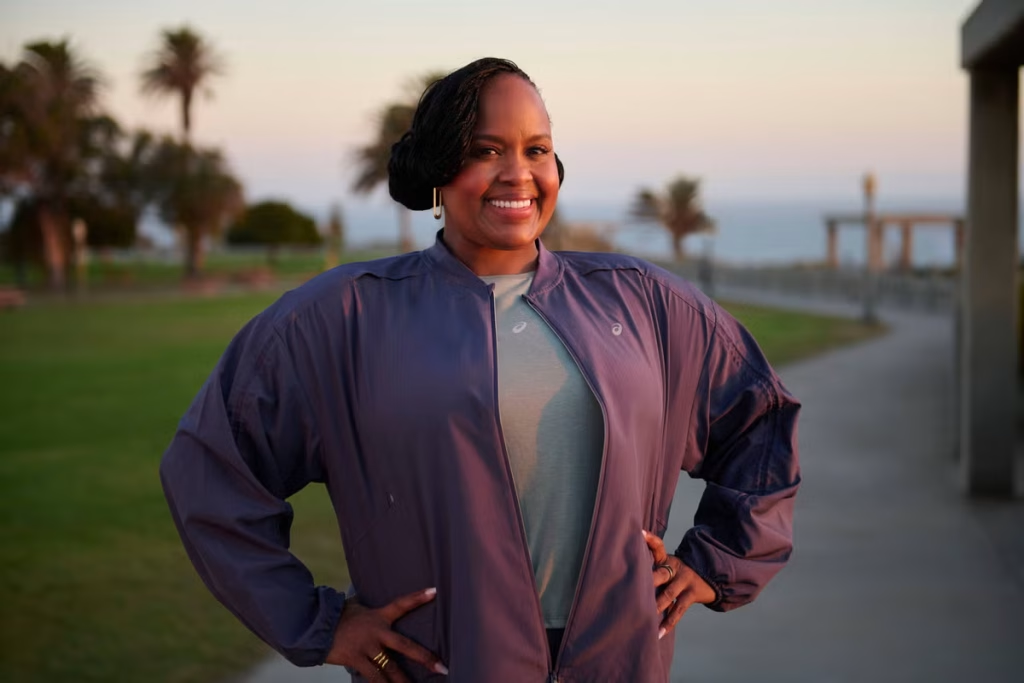
The wellness industry is in constant flux. We’re seeing shifts in how wellness is perceived, delivered, and, crucially, who it’s for. Natasha Rothwell’s recent comments resonate deeply, spotlighting a key development: a growing demand for inclusivity and accessibility within the wellness space.
For too long, “wellness” has been synonymous with luxury, thinness, and a very specific demographic. Think pricey retreats and exclusive gym memberships. This image, while aspirational for some, feels exclusionary to many. Rothwell astutely points out the problem, noting that health and wellness often get linked to being “thin and skin,” which is, plainly put, untrue.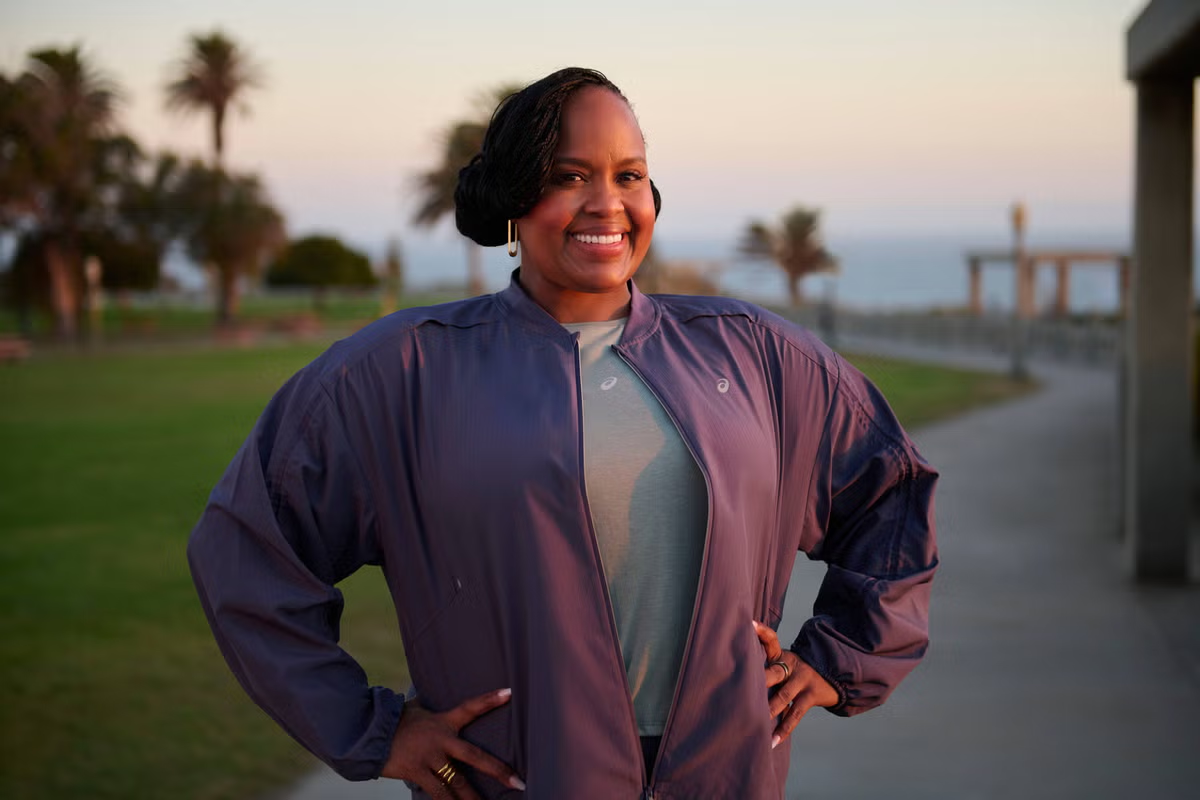 >
>
This narrow view of wellness is not only inaccurate, it’s harmful. It suggests that well-being is unattainable for those who don’t fit a certain mold. It completely misses the point that wellness is about holistic health, encompassing mental, physical, and emotional well-being, irrespective of body size or socioeconomic status.
So, what’s prompting the industry to change? Several factors are at play.
Rising Consumer Awareness>
Consumers are becoming more discerning. People are more aware of the marketing tactics often used to promote wellness products and services. They’re starting to question the unrealistic expectations and the lack of diversity in these campaigns. As a result, they’re seeking authenticity and brands that reflect their own values and experiences.
The Power of Representation
Rothwell highlights the importance of seeing diversity in the wellness space. It’s about more than just tokenism. Representation sends a powerful message that wellness is for everyone. Seeing people who look like you, with similar experiences, engaging in wellness practices can be incredibly empowering. It encourages participation and helps dismantle the idea that wellness is only for a select few.
Acknowledging Mental Health
The increased focus on mental health is forcing the industry to reconsider its approach. Acknowledging the link between mental and physical wellness broadens the conversation. Suddenly, simple acts like a 15-minute walk, as championed by ASICS in their campaign, become legitimate and valuable wellness tools. It shifts the focus from expensive treatments to accessible practices that can be incorporated into everyday life.
Rethinking “Work-Life Balance”
There’s a growing recognition of the detrimental effects of burnout culture, particularly in high-pressure industries like Hollywood. The expectation of constant productivity and the belief that rest must be earned are being challenged. People are realizing that prioritizing well-being isn’t a luxury, but a necessity for sustained performance and overall health.
Is the Industry Really Changing?
While there’s progress, mild skepticism is warranted. The wellness industry is still, to some extent, driven by profit. There’s a risk that inclusivity could become another marketing tactic, a way to tap into new demographics without truly addressing the underlying issues of accessibility and representation. We need to look beyond surface-level changes and examine whether companies are genuinely committed to making wellness more equitable.
The Future of Wellness: Accessible and Authentic
I believe the future of wellness lies in accessibility and authenticity. People are tired of the unattainable ideals and the one-size-fits-all approach. They want solutions that fit their individual needs and lifestyles, regardless of their budget or background.
This means a shift towards:
Affordable options: Emphasizing simple, accessible practices like walking, meditation, and spending time in nature. Personalized approaches: Recognizing that everyone’s wellness journey is unique and offering tailored solutions. Community-based initiatives: Creating supportive environments where people can connect and share their experiences. Diverse representation: Showcasing a wider range of body types, ethnicities, and backgrounds in wellness campaigns. Transparent communication: Being honest about the limitations of certain products and services and avoiding misleading claims.
The wellness industry has the potential to be a powerful force for good, promoting health and well-being for all. Yet, this requires a fundamental shift in perspective, from a focus on profit to a commitment to inclusivity and accessibility. It requires listening to the voices of those who have been marginalized and creating a space where everyone feels welcome and empowered to prioritize their well-being.


![[post_title]](https://samony.com.ng/wp-content/uploads/2025/12/4-Reasons-Tomatoes-Can-Upset-Your-Stomach-300x169.jpg?lm=6930DA5E "Decoding Tomato Troubles: A Gut-Level Guide to Digestive Harmony")
![[post_title]](https://samony.com.ng/wp-content/uploads/2025/12/NGX-Deepens-Market-Offerings-With-Commercial-Paper-Listings-300x212.png?lm=6930DAA8 "Nigeria’s Risky Bet: Will NGX’s New Debt Play Actually Pay Off?")
![[post_title]](https://samony.com.ng/wp-content/uploads/2025/12/1764809392_Nato-hits-back-at-Putins-threat-of-war-in-Europe-300x200.jpeg?lm=6930DAB4 "Geopolitics on Edge: Is Wider European Conflict a Rising Threat?")
![[post_title]](https://samony.com.ng/wp-content/uploads/2025/12/Senate-summons-finance-education-ministers-over-collapse-of-30m-Safe-300x200.jpeg?lm=6930DB39 "$44 Million for Safe Schools: Where Did It Go?")
![[post_title]](https://samony.com.ng/wp-content/uploads/2025/12/How-much-you-fit-withdraw-in-a-day-from-ATM-300x169.jpg?lm=6930C5C9 "Nigeria’s Cash Withdrawal Limits: Pragmatism, Mixed Signals, and the Unfolding Reality")

![[post_title]](https://samony.com.ng/wp-content/uploads/2025/12/Burna-Boy-Offers-to-Pay-Burial-Costs-for-Children-Killed.jpg?lm=6930DBD8 "Burna Boy Offers Funeral Support After Stockton Shooting")

![[post_title]](https://samony.com.ng/wp-content/uploads/2025/12/4-Reasons-Tomatoes-Can-Upset-Your-Stomach-1024x575.jpg?lm=6930DA5E "Decoding Tomato Troubles: A Gut-Level Guide to Digestive Harmony")
