

Analyzing the Anambra Election: Beyond the Headlines
The recent Anambra state governorship election, resulting in Governor Soludo’s claimed landslide victory, prompts several questions. While headlines celebrate a resounding mandate, a closer inspection, informed by patterns I’ve observed across various elections, is warranted. Is it truly a testament to Soludo’s performance, or are other forces at play? Let’s dig a little deeper.
The League of Anambra Journalists in Abuja (LAJA)’s congratulatory message paints a picture of overwhelming approval. They highlight Soludo’s “visionary leadership,” “transformative governance,” and “unwavering commitment.” Such pronouncements are common in the immediate aftermath of any election. Yet, relying solely on these statements without probing further would be imprudent.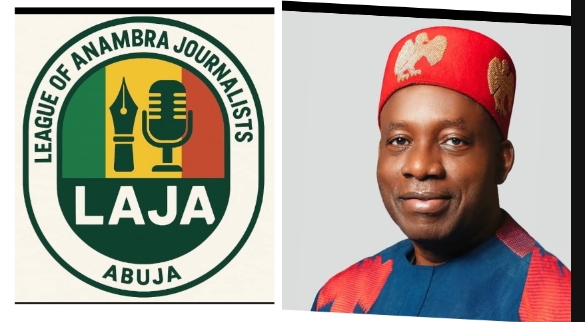 >
>
One thing I’ve learned covering elections is that rhetoric often outpaces reality. Phrases like “powerful reaffirmation” and “endorsement of competence” sound impressive, but what concrete evidence supports these claims? We need to consider the specific policies and initiatives driving this supposed approval. What exactly are these “ongoing reforms” and “development strides” that LAJA cites?
It’s worth noting LAJA’s commendation of INEC and security agencies for a “peaceful, transparent, and credible process.” While a peaceful election is undoubtedly a positive outcome, the terms “transparent” and “credible” require careful evaluation. Were there any documented irregularities? Did voter turnout reflect genuine enthusiasm, or were there other factors influencing participation? I’ve seen elections lauded as transparent only to have irregularities emerge later.
This challenge – separating genuine public sentiment from manufactured narratives – is always present. Analyzing election results requires considering multiple perspectives and avoiding simplistic interpretations. The media narrative often focuses on the winner’s pronouncements and celebratory messages. It’s crucial to look beyond this and examine the underlying dynamics.>
Given these facts, what could explain Soludo’s “emphatic 21 over 21 victory?” While LAJA attributes it to popular support, other potential factors demand attention. Did the opposition field strong candidates? Was there effective voter education and mobilization? Were there any allegations of voter suppression or manipulation? These are questions that require further investigation.
Soludo’s victory mirrors the narrative of “unity, political maturity, and a collective resolve.” This narrative, while appealing, glosses over potential divisions and dissenting voices. No election result, especially one described as a “landslide,” can be viewed in isolation. It exists within a complex socio-political context.
In any case, congratulatory messages such as this often serve a purpose. LAJA’s statement also includes a subtle request: they urge Soludo to “deepen reforms, consolidate gains, and broaden development.” This plea suggests an expectation of continued progress and perhaps a desire for favorable treatment from the government.
It’s tempting to accept the surface-level explanation of overwhelming support. I resist that temptation. From my experience, victory claims often obscure more complex realities. A critical thinker must ask: Who benefits from this narrative? What are the potential downsides? What questions remain unanswered?
The call for deeper reforms carries weight. It signals that, despite the supposed landslide victory, there’s still work to do. Development remains uneven, and the benefits haven’t reached everyone. Soludo faces the imperative to translate his mandate into tangible improvements for the lives of ordinary Anambra citizens.
To that end, we should assess the situation without any hype. I contend that it is important to evaluate Soludo’s governance record in the coming years. We should focus on metrics like poverty reduction, job creation, and improvements in healthcare and education. These are the true measures of a successful administration.
The future of Anambra hinges on more than just electoral victories. It relies on visionary leadership, effective policies, and accountable governance. I hope that Soludo lives up to the expectations placed upon him. Only time will tell if this “landslide victory” translates into lasting positive change for the people of Anambra state. It remains crucial for journalists and analysts to maintain a critical eye, even amidst celebratory narratives, to ensure accountability and transparency. And that’s precisely what I’m determined to do.

![[post_title]](https://samony.com.ng/wp-content/uploads/2025/12/1764824439_Ashes-2025-live-Australia-leave-out-Cummins-and-Lyon-as-300x200.jpeg?lm=6931157A "Ashes 2025: Workload Management vs. Bazball – A Test of Cricket’s Contrasting Philosophies")
![[post_title]](https://samony.com.ng/wp-content/uploads/2025/12/1764823921_Noems-rush-to-bolster-ICEs-members-means-applicants-who-can-300x200.jpg?lm=69311374 "ICE Hiring: Are They Lowering the Bar? What This Means for Everyone")
![[post_title]](https://samony.com.ng/wp-content/uploads/2025/12/CBN-Removes-Cash-Deposit-Limit-for-Bank-Customers-in-Nigeria-300x161.jpg?lm=6930FE82 "Nigeria’s new cash rules: CBN giveth, CBN taketh away?")
![[post_title]](https://samony.com.ng/wp-content/uploads/2025/12/INEC-Urges-Nigerians-To-Flag-Ineligible-Dead-Persons-As-Voter-300x225.jpg?lm=6930F8B2 "Nigeria’s Voter Roll: Public Vigilance Alone Won’t Deliver Integrity")


![[post_title]](https://samony.com.ng/wp-content/uploads/2025/12/US-Firm-Withdraws-Nigerias-Presidential-Jet-From-Sale-1024x539.png?lm=69311B01 "US Firm Withdraws Nigeria’s Presidential Jet From Sale")
![[post_title]](https://samony.com.ng/wp-content/uploads/2025/12/1764824419_Daniel-Farke-beating-Chelsea-a-great-night-for-everyone-involved-1024x683.jpg?lm=69311573 "Leeds United’s Upset: A Tale of Two Trajectories")
![[post_title]](https://samony.com.ng/wp-content/uploads/2025/12/1764824439_Ashes-2025-live-Australia-leave-out-Cummins-and-Lyon-as-1024x682.jpeg?lm=6931157A "Ashes 2025: Workload Management vs. Bazball – A Test of Cricket’s Contrasting Philosophies")
![[post_title]](https://samony.com.ng/wp-content/uploads/2025/12/1764823921_Noems-rush-to-bolster-ICEs-members-means-applicants-who-can-1024x683.jpg?lm=69311375 "ICE Hiring: Are They Lowering the Bar? What This Means for Everyone")
