Analyzing Venezuela’s Standoff with the US: Beyond the Headlines
Venezuela continues to navigate a complex relationship with the United States, marked by accusations of “imperialist threats” and disputes over sovereignty. Recent events, including President Maduro’s fiery rhetoric and the US military’s operations in international waters, demand a closer look. This isn’t just about political posturing; it touches on resources, international law, and the potential for escalating tensions.
The narrative presented by the Venezuelan government, as evidenced by Maduro’s recent address wielding Simon Bolivar’s sword, emphasizes external threats to national sovereignty. He vows to defend “every inch” of Venezuela. This kind of symbolism plays well domestically, stirring nationalistic sentiment. But does it accurately reflect the situation? It’s a tactic I’ve witnessed many times: framing internal issues as external attacks.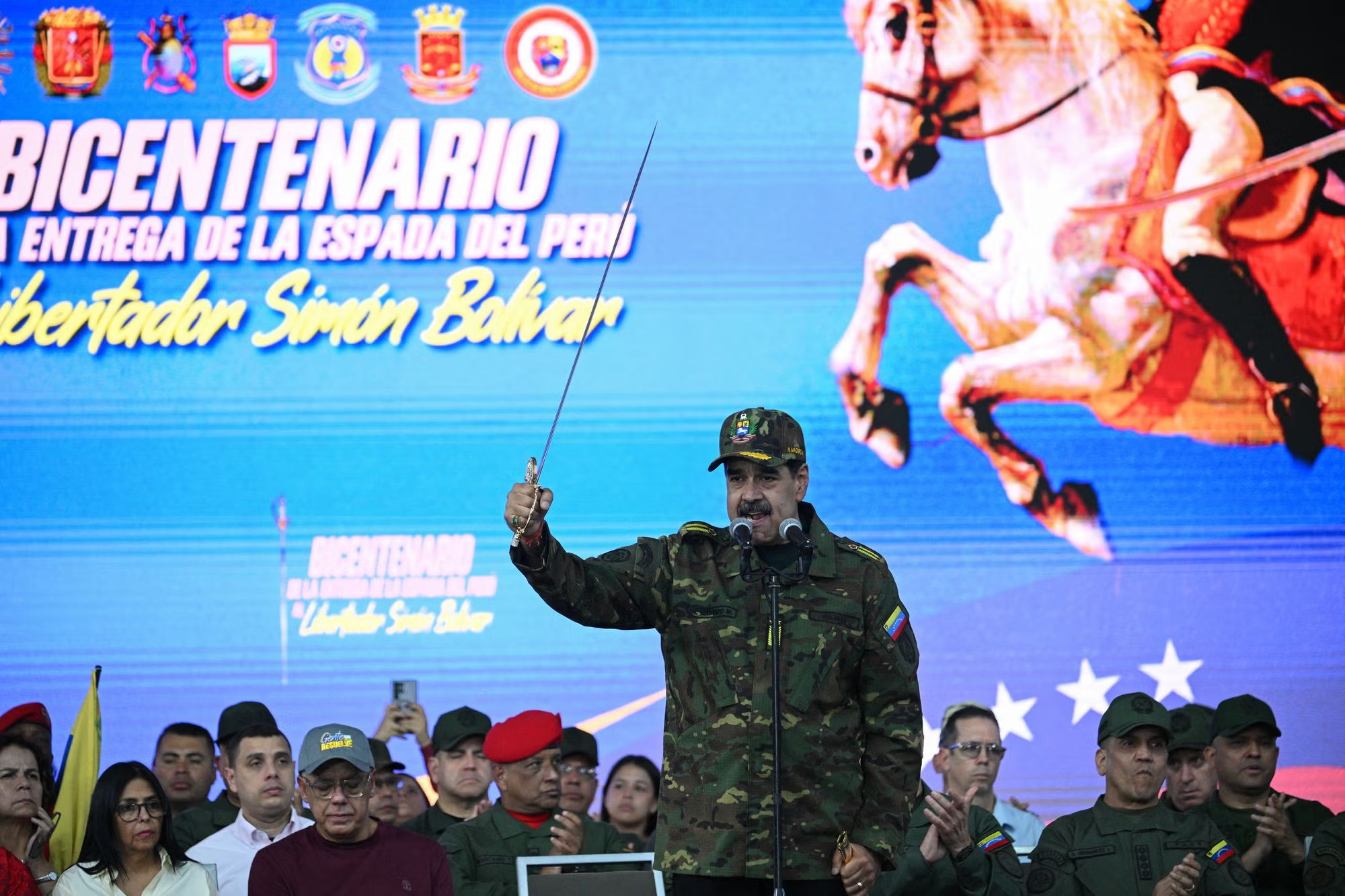 >
>
The US, for its part, claims its actions are aimed at combating drug trafficking. Yet, Venezuela views these operations, some of which resulted in fatalities, as violations of its sovereignty and even “extrajudicial killings.” You see a pattern emerge: conflicting justifications, deeply entrenched distrust. It’s reminiscent of other instances where powerful nations intervene, citing security concerns, while the target nation cries foul.
It’s worth noting that the US doesn’t recognize Maduro as the legitimate leader of Venezuela. This adds another layer of complexity. Accusations of election rigging and human rights abuses have fueled international condemnation of Maduro’s regime. Still, dismissing a country’s leadership outright can have unforeseen consequences. It can further destabilize the region and empower hardliners.
The economic dimension of this conflict cannot be ignored. Venezuelan officials openly accuse the US of coveting the country’s vast natural resources, from oil and gas to gold and diamonds. Resource wealth, unfortunately, often attracts unwanted attention from global powers. The pursuit of these resources has historically driven conflicts and interventions worldwide.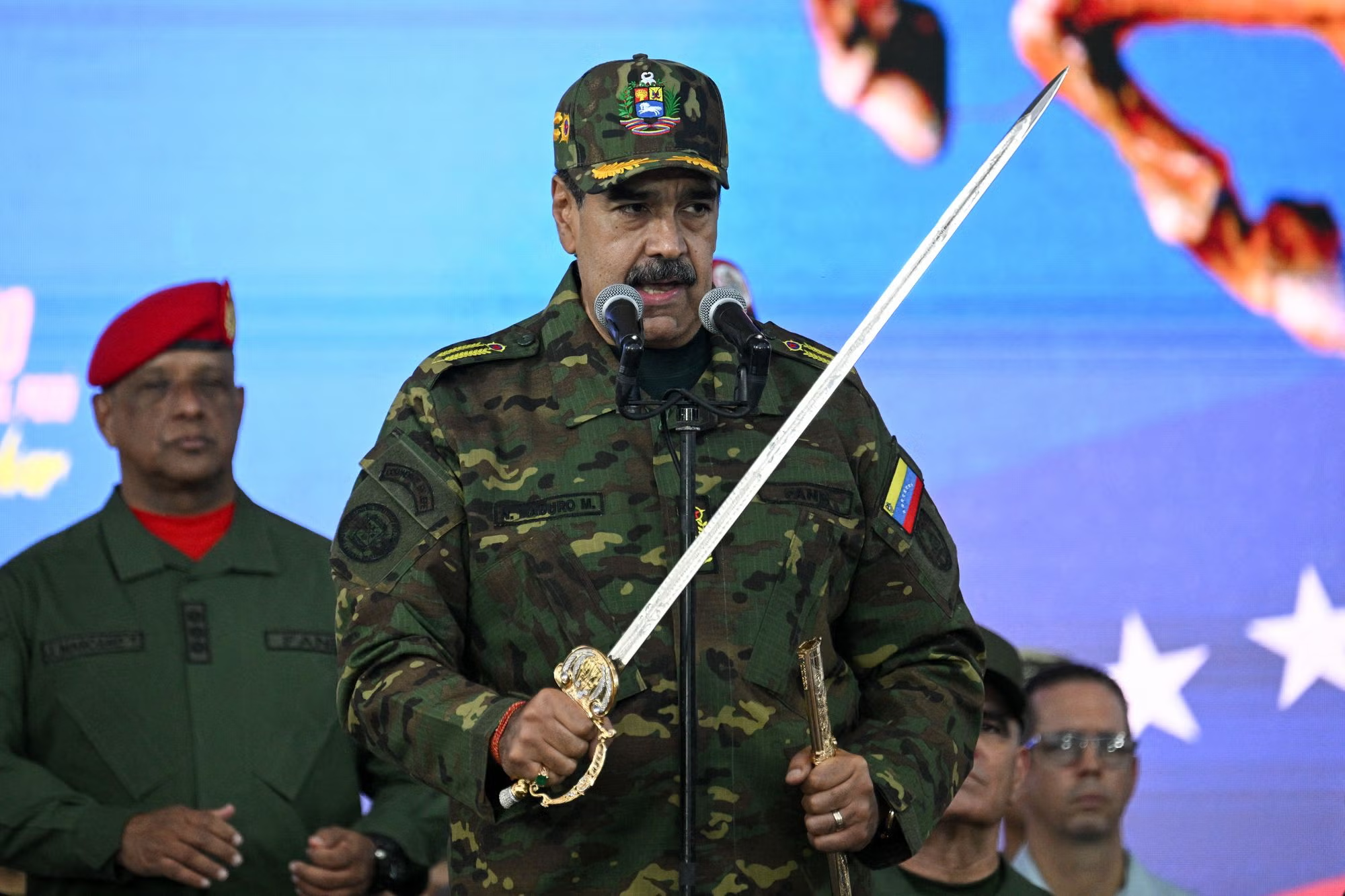 >
>
Cuba’s perspective adds another layer. Its foreign minister denounced the US military presence as “exaggerated and aggressive,” warning of potential violence and instability. Of course, Cuba itself has a long history of strained relations with the US. So, its perspective should be viewed in that light. That said, concerns about escalating military activity in the region are warranted.
This isn’t just about the present. It’s about historical patterns. The US has a long history of intervention in Latin America, often under the guise of protecting its interests or promoting democracy. Understandably, this history fuels suspicion and resentment in Venezuela. We need to approach claims from all sides with a healthy dose of skepticism, considering the context of this long-standing relationship.
The legal aspect of the US military operations is also under scrutiny. Reports indicate that a senior US military lawyer raised concerns about the legality of strikes against alleged “drug boats,” suggesting they could be considered extrajudicial killings. This raises serious questions about accountability and the potential for violations of international law. These kinds of internal disagreements are often swept under the rug but they are vital to the overall narrative.
Where does this leave us? The situation is far from simple. A confluence of factors is at play: resource competition, political ideology, historical grievances, and legal complexities. A simplistic “good versus evil” narrative simply doesn’t hold.
Moving forward, de-escalation is crucial. Dialogue, even if difficult, is the only way to prevent further escalation. International mediation could provide a neutral platform for discussions. It’s also essential to address the underlying economic issues that fuel the conflict. Fair trade agreements and investment that benefits the Venezuelan people, not just foreign corporations, could help stabilize the situation.
The world is watching. How this situation unfolds will have implications far beyond Venezuela’s borders. It will serve as a test case for international law, regional stability, and the principles of sovereignty. It’s a complex situation, yes, but the future of Venezuela, and potentially the region, hinges on finding a peaceful and just resolution.


![[post_title]](https://samony.com.ng/wp-content/uploads/2025/12/1764867688_Gen-Z-admit-to-overthinking-in-winter-as-half-use-300x158.png?lm=6931BE6C "Gen Z’s Winter Overthinking: Tech Dependence vs. Grounding Solutions")
![[post_title]](https://samony.com.ng/wp-content/uploads/2025/12/Iran-Sends-Delegation-To-World-Cup-Draw-After-Threats-To.jpg?lm=6931BEBA "Navigating Geopolitics: Lessons from Iran’s World Cup Dance and the Ever-Present Data Game")
![[post_title]](https://samony.com.ng/wp-content/uploads/2025/12/1764867072_Lego-announces-NASA-Artemis-SLS-rocket-set-to-lift-off-300x169.jpg?lm=6931BC04 "LEGO’s Artemis: More Than a Toy, a Gateway to STEM Engagement?")