

Analyzing Football Eligibility Controversies: More Than Just Red Cards
The rumor mill went into overdrive recently, suggesting DR Congo might face disqualification for fielding Aaron Wan-Bissaka in a crucial World Cup playoff. The claim: questions swirled about his eligibility. Apparently, Nigeria’s loss was so painful people were seeking every angle.
But, before diving deep into conspiracy theories, let’s consider the facts. A FIFA official shut down the chatter. No formal protest. No ongoing investigation. It looks like just that—chatter. >
>
These kinds of situations are never truly simple. You see these eligibility debates pop up time and again in international football. The core issue boils down to players with dual nationality and the increasingly complex rules governing their international representation. Wan-Bissaka’s case is interesting. He played for England at the youth level. That fact initially raised a flag for some. Yet, he never secured a senior cap for the Three Lions. Crucially, he was able to switch allegiance to DR Congo.
FIFA signed off on the switch months prior to this playoff. That’s key. It suggests proper procedure was followed. No rule was violated. The necessary paperwork was filed. This approval came after he accepted a call-up for DR Congo friendlies. He even debuted for the Leopards against South Sudan in a World Cup qualifier.
Still, the whispers persisted, particularly following DR Congo’s dramatic penalty shootout victory. The timing definitely adds fuel to the fire. It’s easy to see why people look for some hidden reason or technicality when a major game ends controversially.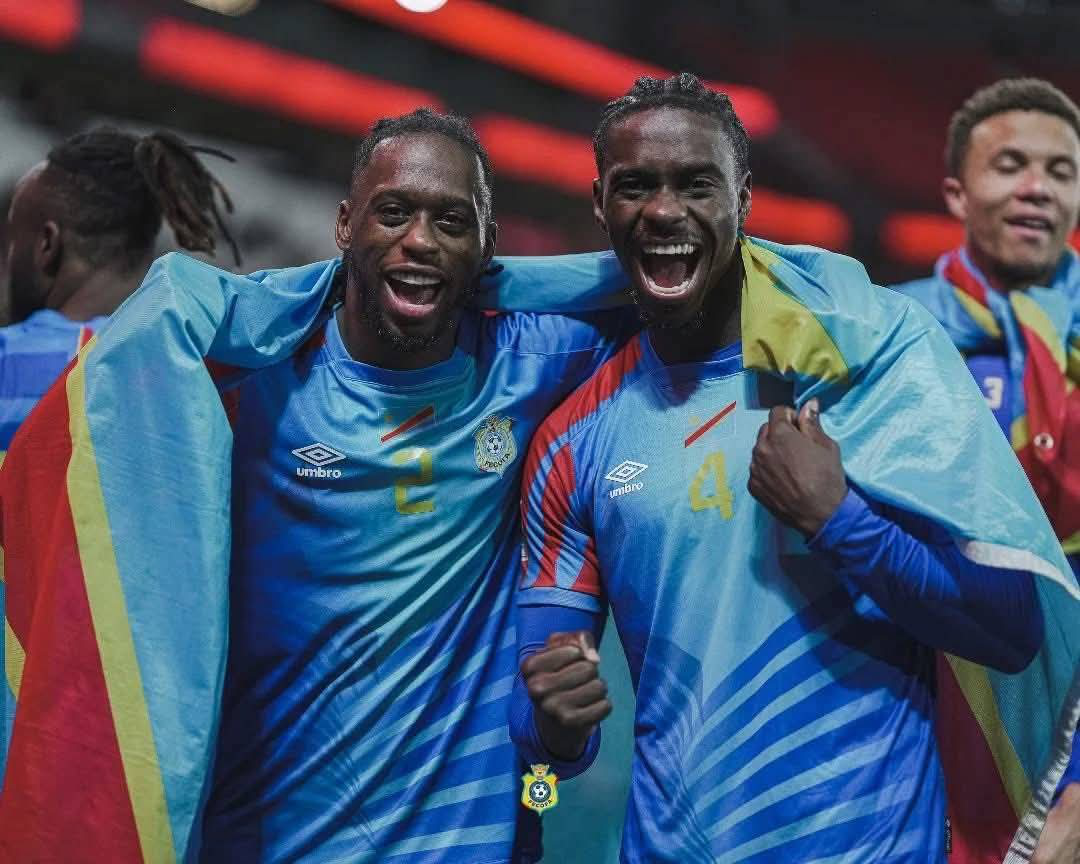 >
>
Now, let’s look at Nigeria’s position. The NFF Secretary General chose not to comment on any planned protests. That’s interesting. Silence can speak volumes. Maybe they’re weighing their options, perhaps knowing a challenge is unlikely to succeed given FIFA’s prior approval. It’s also possible they’re simply trying to avoid further inflaming the situation.
This isn’t just about one player or one match. We’re talking about the bigger picture. FIFA faces consistent pressure to maintain fair play while also accommodating the realities of globalized football. Players with roots in multiple countries are increasingly common. The rules need to be robust. They should be clear to avoid future disputes. But the application of these regulations is a frequent source of debate.
In my experience, these cases often hinge on a few crucial details. Did the player make a binding commitment to one nation? Did all the paperwork clear? Was the decision-making process transparent? Sometimes, it’s a genuine misunderstanding of the rules that causes confusion. Other times, you suspect a little gamesmanship is at play.
The rise of social media adds another layer of complexity. Rumors spread like wildfire. Misinformation can quickly take root. Suddenly, you have a full-blown controversy before anyone has properly verified the facts. This incident showcases that perfectly. Speculation and conjecture nearly overshadowed the actual details of Wan-Bissaka’s eligibility.
Consider the pressure on young players facing these decisions. Choosing which country to represent is a monumental choice, potentially altering their career trajectory. They’re navigating complex family ties. They’re considering career opportunities. National pride is a factor. It’s a lot to weigh.
One observation based on seeing these situations arise: FIFA’s communication could improve. When a player switches nationalities, a clearer public statement could curb speculation. Openness builds trust. More clarity might prevent these unnecessary firestorms.
This situation underscores several vital aspects of contemporary international football. Eligibility rules are critical. Clear communication is essential. The potential for misinformation to spread rapidly requires vigilance.
What’s the takeaway here? DR Congo seems to be in the clear regarding Wan-Bissaka. This doesn’t eliminate the larger, ongoing discussion around eligibility and international representation. That discussion is only getting louder. For now, we must accept what we know. We await to see what happens in the Intercontinental Playoff. This specific case appears closed, but these broader themes will surely resurface in the future.

![[post_title]](https://samony.com.ng/wp-content/uploads/2025/12/16-LAWMAKERS-DEFECT-FROM-PDP-TO-APC-IN-RIVERS-STATE-300x208.jpg?lm=69338673 "Rivers State Politics Just Got Wild: What’s Going On?")
![[post_title]](https://samony.com.ng/wp-content/uploads/2025/12/UK-Backs-Nigeria-With-Two-Flagship-Economic-Reform-Programmes-300x201.jpg?lm=69338486 "Nigeria-UK Investment: From Aid Dependency to True Economic Partnership?")
![[post_title]](https://samony.com.ng/wp-content/uploads/2025/12/Stuck-in-a-van-while-the-president-measures-the-Kennedy-300x200.jpg?lm=69338500 "Decoding Industry Dynamics")
![[post_title]](https://samony.com.ng/wp-content/uploads/2025/12/Nigeria-is-safe-says-Boris-Johnson-ex-UK-prime-minister-300x226.jpg?lm=69338546 "Nigeria Investment: Safe Bet or Risky Gamble? You Decide.")

![[post_title]](https://samony.com.ng/wp-content/uploads/2025/12/Wike-sacks-FCT-IRS-acting-chairman-Michael-Ango.jpeg?lm=69338BEB "Wike Sacked FCT Revenue Boss After Record Numbers: What’s Really Going On?")
![[post_title]](https://samony.com.ng/wp-content/uploads/2025/12/Netflix-To-Acquire-Warner-Bros-Discoverys-Film-And-Streaming-Units.jpg?lm=693385D9 "Streaming’s $72 Billion Gamble: Netflix and Warner Bros. Discovery")
![[post_title]](https://samony.com.ng/wp-content/uploads/2025/12/16-LAWMAKERS-DEFECT-FROM-PDP-TO-APC-IN-RIVERS-STATE.jpg?lm=69338670 "Rivers State Politics Just Got Wild: What’s Going On?")
