

![[post_title]](https://samony.com.ng/wp-content/uploads/2025/11/1764118230_Veteran-Bollywood-Actor-Dharmendra-Passes-Away-at-89.jpeg?lm=69264ED6)
Dharmendra: Reflecting on a Bollywood Icon’s Legacy and the Evolving Film Industry
Dharmendra, the “He-Man” of Bollywood, has passed away at 89. His departure indeed feels like the close of a chapter for Indian cinema. We lost a star who wasn’t just an actor, but a cultural touchstone for generations. News outlets confirmed his passing, sharing details about his career, family, and the widespread grief that followed. But beyond the headlines, Dharmendra’s impact prompts a deeper look at Bollywood’s journey and where it might be heading.
His career spanned six decades, appearing in over 300 movies. That kind of longevity speaks volumes about his staying power and the connection he forged with audiences. From action flicks to romantic dramas, he showcased an adaptability that many actors strive for, but few achieve. Consider Sholay, a film that continues to resonate decades later. Dharmendra’s portrayal of Veeru cemented his place in cinematic history. It’s also a testament to the power of storytelling and the enduring appeal of classic Bollywood tropes.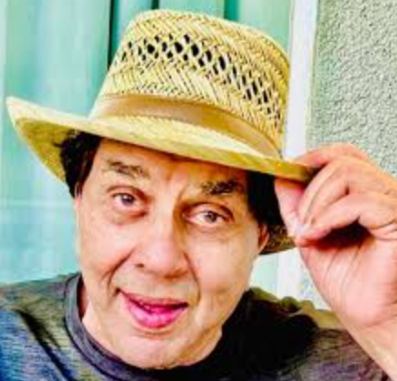 >
>
Off-screen, he built a family and a production company, Vijayta Films. Launching his sons, Sunny and Bobby Deol, into the industry underscores the familial nature of Bollywood. The “star kid” phenomenon is prevalent, and Dharmendra’s story exemplifies this dynamic. Was it nepotism? Perhaps. But it’s also about legacy, a passing of the torch in an industry that often blends business with personal relationships.
The tributes that poured in after his death were extensive. From Prime Minister Modi to younger stars like Shah Rukh Khan, the outpouring highlighted his influence on Indian culture. It’s worth noting how these tributes often serve a dual purpose: honoring the deceased while also subtly reinforcing the speaker’s own position within the industry’s hierarchy. It’s a dance of respect and self-preservation, common in any competitive field.
The cancellation of events at the International Film Festival of India (IFFI) and the postponement of song releases further emphasized the magnitude of his loss. These gestures are more than symbolic; they illustrate the respect afforded to industry titans. Yet, one also wonders if this level of deference might stifle innovation. Does the weight of the past sometimes hinder Bollywood’s ability to fully embrace new directions?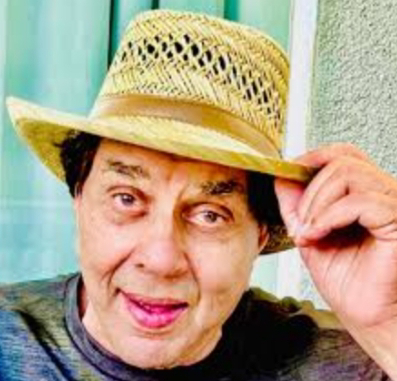 >
>
The fact that his estimated net worth hovered between ₹335 crore and ₹450 crore demonstrates the financial success he achieved. It reflects the lucrative nature of Bollywood and the potential for actors to amass considerable wealth through endorsements, production ventures, and, of course, film salaries. Still, it begs the question: does this concentration of wealth at the top truly benefit the entire industry, including the struggling artists and technicians who often remain in the shadows?
Looking ahead, Dharmendra’s passing could act as a catalyst for change. A moment to pause and consider the future of Bollywood. There’s a growing tension between traditional filmmaking and the rise of streaming platforms. The digital age presents both opportunities and threats to the established order. Will Bollywood adapt and thrive, or will it struggle to maintain its relevance in an increasingly globalized entertainment landscape?
Also, consider the evolving tastes of the audience. Younger generations have different expectations. They demand more diverse stories, greater representation, and a more authentic portrayal of Indian life. The industry must reflect these shifts to stay relevant.
This challenge requires a willingness to experiment with new genres, support emerging filmmakers, and address social issues with greater sensitivity. There’s a desire for content that is both entertaining and thought-provoking, a departure from the formulaic storytelling that has often defined Bollywood in the past.
Having observed these patterns over the years, I remain cautiously optimistic. Bollywood possesses an undeniable talent pool and a rich cultural heritage. It has the potential to reinvent itself, to embrace change while staying true to its unique identity. But it requires courage, a willingness to challenge the status quo, and a commitment to nurturing creativity at all levels.
Dharmendra’s legacy extends beyond his filmography. It invites introspection about Bollywood’s past, present, and future. The industry must honor its icons while simultaneously forging a path forward. This means embracing innovation, fostering inclusivity, and listening to the voices of a new generation. The show, as they say, must go on. But the script needs some serious rewriting.

![[post_title]](https://samony.com.ng/wp-content/uploads/2025/12/1764747077_Over-15-years-Man-visits-secondary-school-to-check.jpg "Planting Seeds of Purpose: How Early Climate Action Shapes Lifelong Commitment")
![[post_title]](https://samony.com.ng/wp-content/uploads/2025/12/Warriors-sign-Seth-Curry-for-remainder-of-season.jpeg "Warriors sign Seth Curry for remainder of season")
![[post_title]](https://samony.com.ng/wp-content/uploads/2025/12/1764745476_Ukraine-Russia-war-latest-Trump-envoys-fail-to-secure-peace-deal.jpeg "Ukraine-Russia war latest: Trump envoys fail to secure peace deal after Putin tells Europe he’s ready for war")
![[post_title]](https://samony.com.ng/wp-content/uploads/2025/12/1764744909_FG-Deploys-240-Solar-Powered-E-Tricycles-To-12-Universities.jpg "FG Deploys 240 Solar Powered E- Tricycles To 12 Universities :")
![[post_title]](https://samony.com.ng/wp-content/uploads/2025/12/1764744691_2027-Nasarawa-APC-governorship-aspirant-vows-to-prioritise-power-agriculture-if.jpg "2027: Nasarawa APC governorship aspirant vows to prioritise power, agriculture if…")

![[post_title]](https://samony.com.ng/wp-content/uploads/2025/12/1764752038_Gary-Lineker-to-appear-on-Netflix-in-2026-World-Cup-1024x690.jpg?lm=692FFAA9 "Netflix’s “The Rest Is Football” World Cup Gamble: Genius Move or Epic Fail?")
![[post_title]](https://samony.com.ng/wp-content/uploads/2025/12/The-young-man-involved-in-the-attempted-Christmas-Day-bombing.jpeg "Nigerian Terrorism: Ideology’s Grip on Affluent Minds")
