

Tony Elumelu Foundation and Federal Fire Service: A Spark of Prevention or Just Smoke and Mirrors?
The news that the Tony Elumelu Foundation (TEF) is teaming up with the Federal Fire Service (FFS) to train 7,400 Nigerians in fire safety has been making rounds. The aim? To improve fire-safety awareness and preparedness across all 36 states and the FCT. It sounds good on paper. I mean, who could argue against equipping citizens with life-saving knowledge?
The core of the program plans to equip 200 individuals per state with essential fire prevention skills, early warning practices, and basic emergency response procedures. The FFS envisions these trainees as fire safety advocates, hoping they create a ripple effect of vigilance and responsible behavior nationwide.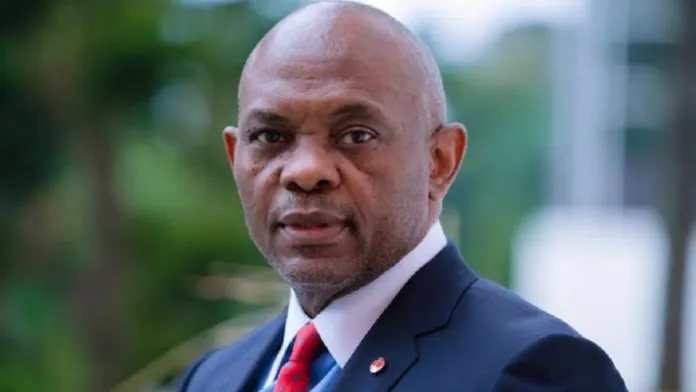 >
>
Tony Elumelu himself emphasized the importance of grassroots fire safety awareness. He argued that empowering citizens with practical knowledge will boost national resilience and cut down on fire outbreaks. Samuel Olumode, Controller-General of the FFS, echoed this sentiment, pitching the partnership as a vital shift towards a preventive, community-centered approach. United Capital Plc’s Group CEO, Peter Ashade, even gets the title of National Fire Safety Ambassador. Everyone seems to be onboard.
But let’s tap the brakes for a moment. Nigeria’s history is littered with well-intentioned programs that failed to deliver.
It’s worth asking, what does this partnership really mean on the ground? Is it genuinely a turning point, or merely a PR exercise riding on the back of recent fire tragedies like the Afriland Towers blaze in Lagos?>
The recent surge in public safety concerns does provide context. The government’s focus on auditing buildings for fire-safety compliance sends a signal. Still, audits alone don’t extinguish fires. Action does.
Here’s the thing: fire safety isn’t just about knowing what to do; it’s about having the resources and infrastructure to do it. How equipped is the FFS itself? Do they have enough functioning fire trucks? Are their response times adequate, particularly in densely populated areas? These are critical questions that this initiative doesn’t directly address.
The training program’s success hinges on several factors. First, the quality of the training. Are the instructors experienced and knowledgeable? Is the curriculum practical and relevant to the local context? Second, the selection process for trainees. Will they choose individuals who are genuinely motivated to become fire-safety advocates, or will it devolve into a patronage system?
Then, there’s the issue of sustainability. What happens after the training? Will these 7,400 newly minted fire-safety advocates have the resources and support to actually make a difference in their communities? Or will they simply become another statistic in a long list of failed government initiatives?
Having seen similar programs unfold, I know that good intentions aren’t enough. There needs to be a clear plan for follow-up and ongoing support. This includes providing the trainees with the tools they need to raise awareness, conduct fire drills, and work with local authorities to improve fire-safety standards. It also requires a commitment from the government to invest in the FFS and ensure that it has the resources it needs to respond effectively to fires.
Moreover, addressing fire safety requires tackling broader issues like building codes and enforcement. Many buildings in Nigeria, particularly in urban areas, don’t meet basic fire-safety standards. Corruption and lax enforcement often allow developers to cut corners, putting lives at risk. This TEF-FFS partnership needs to acknowledge this issue and advocate for stricter building codes and better enforcement mechanisms.
TEF’s involvement could add a layer of accountability, pushing for more than just ticking boxes. Yet, even TEF has its own pressures. Philanthropic efforts often need to show demonstrable impact to satisfy donors and stakeholders. This can sometimes lead to a focus on easily measurable outputs (number of people trained) rather than more meaningful outcomes (reduction in fire-related deaths and injuries).
The initiative’s stated goal of preventing fires is undeniably crucial. Recent fire incidents demonstrate a clear and pressing need for enhanced fire-safety education and preparedness. It is a welcome step, and the focus on a community-centered approach potentially can create a broad impact.
However, for this partnership to truly make a difference, it needs to go beyond just training people. It needs to address the systemic issues that contribute to fire risk in Nigeria. It needs to be accompanied by a sustained investment in the FFS, stricter building codes, and a commitment to enforcement. Only then will we see a real reduction in fire-related deaths and injuries.
Until then, I remain cautiously optimistic, hoping that this initiative will be more than just a fleeting moment of public relations and instead become a genuine catalyst for change. The proof, as always, will be in the putting out of the flames.

![[post_title]](https://samony.com.ng/wp-content/uploads/2025/12/Birth-Control-Types-How-to-Choose-300x169.jpg?lm=692FAE39 "Birth Control Types: How to Choose")

![[post_title]](https://samony.com.ng/wp-content/uploads/2025/12/How-Emerging-Markets-Rely-On-Cryptocurrency-To-Fiat-Access-300x201.jpg?lm=692FA152 "Emerging Markets Embrace Crypto-Fiat for Financial Inclusion")
![[post_title]](https://samony.com.ng/wp-content/uploads/2025/12/Alleged-Christian-Genocide-in-Nigeria-US-lawmakers-disagree-with-FG-300x172.png?lm=692F9B5A "Nigeria’s Christian Genocide Claims: Are US Lawmakers Seeing the Full Picture?")
![[post_title]](https://samony.com.ng/wp-content/uploads/2025/12/1764727153_Vanity-Fairs-Olivia-Nuzzi-trashes-scorned-ex-Ryan-Lizza-for-300x200.jpg?lm=692F9976 "Nuzzi-Lizza Feud: Media Ethics, Revenge, and the Public Eye")
![[post_title]](https://samony.com.ng/wp-content/uploads/2025/12/AFCON-2025-CHELLE-LISTS-EKONG-OSIMHEN-52-OTHERS-IN-PROVISIONAL-300x171.jpg?lm=692F9745 "Nigeria’s AFCON 2025 Squad: Chelle’s 55-Man Roster Reveals Surprises and NPFL Hope")

![[post_title]](https://samony.com.ng/wp-content/uploads/2025/12/US-F-16-Pilot-Dodged-Missiles-With-Extreme-High-G-Turns-for-1024x512.webp?lm=692FB502 "This Pilot Survived 15 Minutes of Missile Fire – Here’s What It Reveals About Modern Air Combat")
![[post_title]](https://samony.com.ng/wp-content/uploads/2025/12/Over-200-swing-for-honours-in-Obaseki-@-80-tourney.jpg?lm=692FB36E "Over 200 swing for honours in Obaseki @ 80 tourney :")
![[post_title]](https://samony.com.ng/wp-content/uploads/2025/12/Birth-Control-Types-How-to-Choose-1024x576.jpg?lm=692FAE39 "Birth Control Types: How to Choose")

