

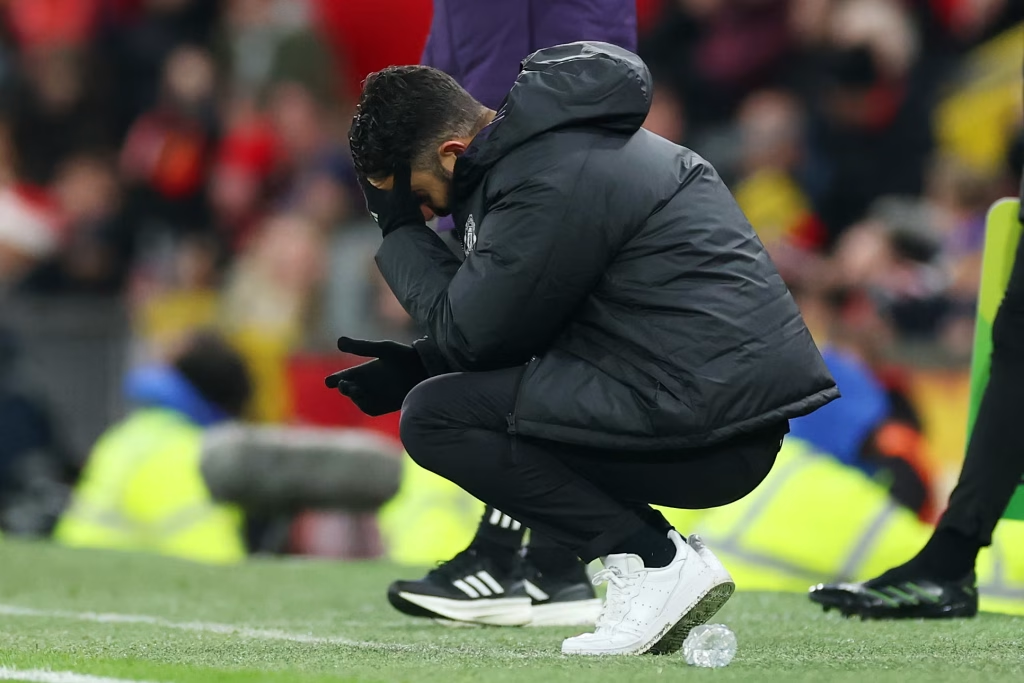
Manchester United’s Stumble: A Critical Look at Complacency and Eroding Trust
Gary Neville’s recent excoriation of Manchester United following their defeat to Everton raises some interesting questions about the team’s trajectory and the manager’s project. The loss, especially against a ten-man Everton side, does sting. It’s more than just a dropped three points; it raises doubts about the team’s mentality.
United entered the match on a decent run, snatching wins against Sunderland, Liverpool, and Brighton, coupled with draws versus Nottingham Forest and Tottenham. So, what went wrong? Everton’s Idrissa Gueye getting sent off early appeared to hand United a massive advantage. Instead, they looked sluggish, uninspired, and ultimately, deservedly lost. Kiernan Dewsbury-Hall’s goal proved the decider.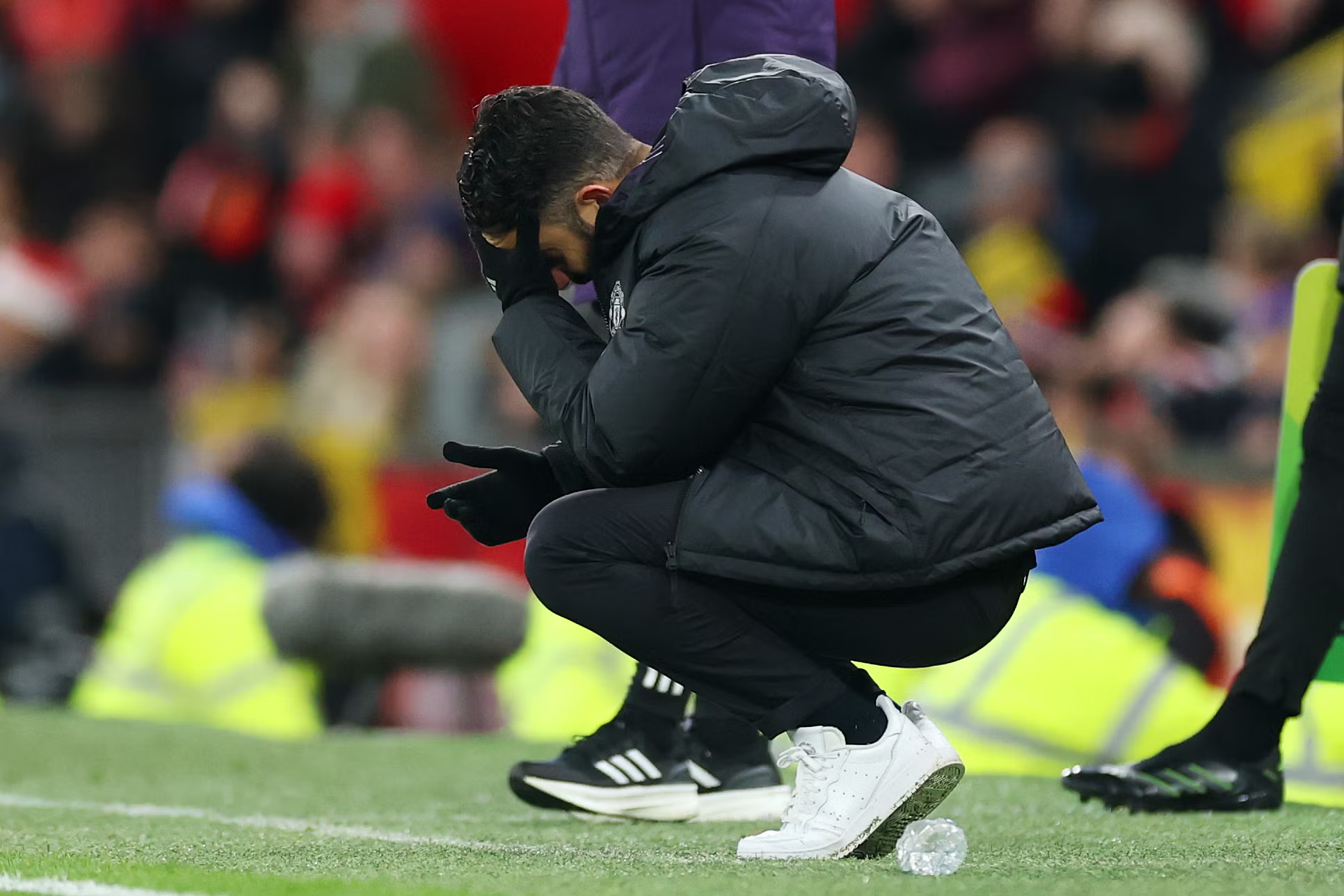 >
>
Neville’s analysis on Sky Sports hit hard. He called the performance “an embarrassment,” pointing to a lack of fight and an underestimation of their opponent. Injuries are part of the game, but Neville rightly dismissed them as an excuse for the lackluster showing. He zeroed in on “complacency” as the killer. I’ve seen this pattern before; a team gets a few wins, starts believing their own hype, and then gets a rude awakening.
It seems spot on. When players think showing up is enough, reality often delivers a painful lesson. Everton, despite being a man down, displayed more grit and determination. That says a lot.
In his podcast, Neville expanded on his point, suggesting the result damaged trust in manager Ruben Amorim’s vision. This is crucial. Consistency is key in building a successful team, and defeats like this can erode the progress made. A victory would have propelled United into the top four; instead, they remain in a precarious position.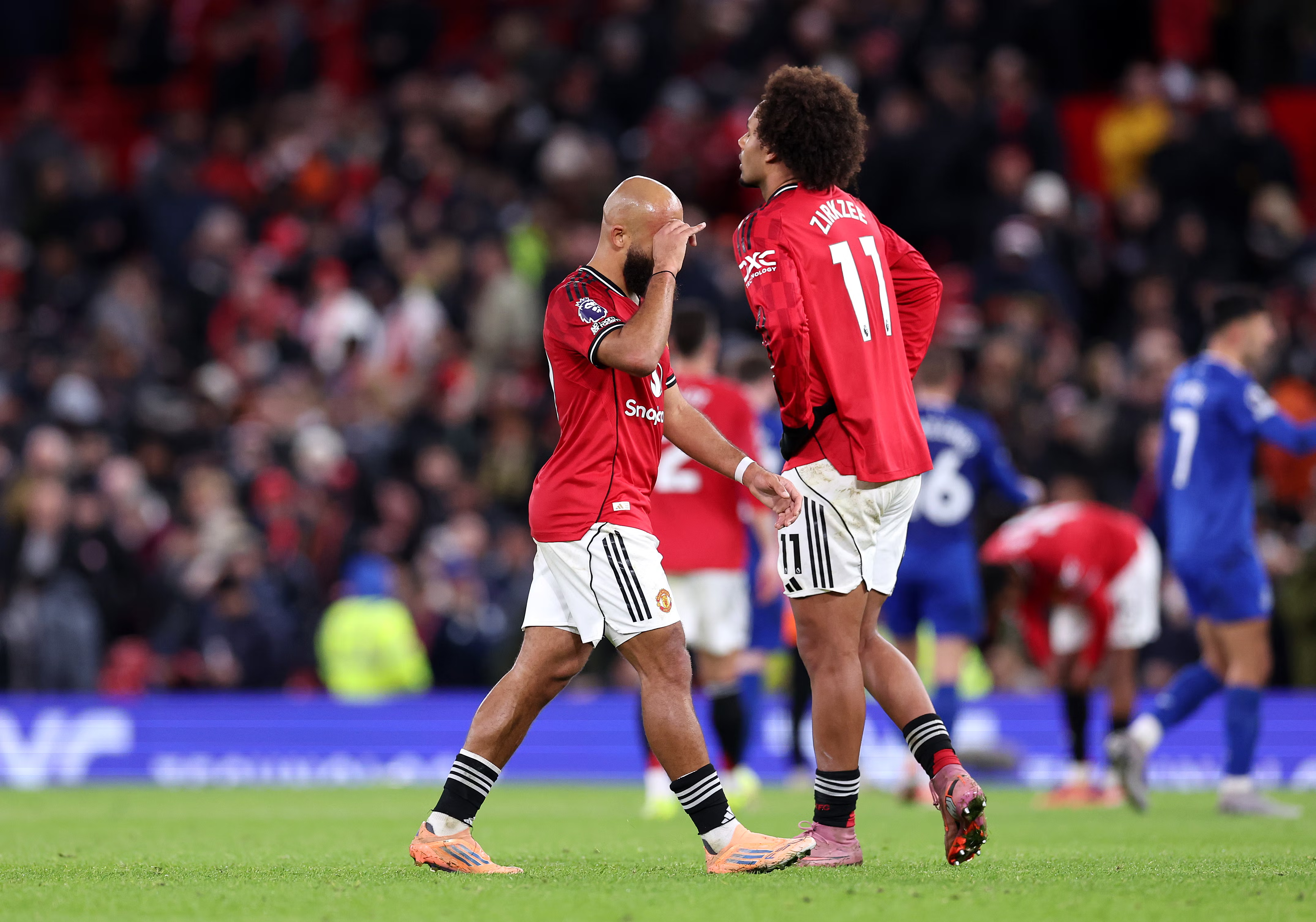 >
>
It’s worth noting the psychological impact here. A loss like this doesn’t just affect the league table. It can seep into the players’ minds, fostering doubt and uncertainty. The fans’ booing at the final whistle reflects this growing unease.
Building trust takes time and consistent performance. Amorim needs to address this lapse in mentality quickly. That Everton loss negates any recent progress. Fans support the team. However, they won’t tolerate displays lacking effort.
The question becomes: how does Amorim rectify this? Tactics alone won’t solve a problem rooted in attitude. He needs to instill a hunger and a sense of accountability in his players. Perhaps a shake-up of the starting eleven might send a message. Maybe a renewed focus on training ground intensity is needed.
Another factor is the pressure cooker environment at Old Trafford. Playing for Manchester United carries immense weight, and some players seem to struggle under it. Amorim needs to cultivate a dressing room culture where players support each other. He must foster a collective determination to overcome adversity.
It’s also fair to ask if the current squad possesses the necessary character to consistently compete at the highest level. A few additions in the transfer market might be required to inject more quality and mental fortitude into the team.
This challenge isn’t unique to Manchester United. Many clubs go through periods of inconsistency and underperformance. The key is how they respond. Do they learn from their mistakes? Do they develop a winning mentality? Or do they continue to fall short of expectations?
Given these facts, the upcoming matches will be crucial for Manchester United. They need to show that the Everton game was an anomaly, not a sign of deeper problems. The players need to rediscover their hunger, their fight, and their desire to win. Otherwise, Neville’s assessment of “complacency” will continue to ring true, and the trust in Amorim’s project will continue to diminish.


![[post_title]](https://samony.com.ng/wp-content/uploads/2025/12/Womans-two-year-journey-advocating-for-Auslan-support-highlights-cracks-in-300x169.jpeg?lm=6933685D "Silenced Seniors: Deafness in Aged Care")
![[post_title]](https://samony.com.ng/wp-content/uploads/2025/12/1764976918_Trumps-White-House-trolls-Sabrina-Carpenter-in-video-about-criminal-300x158.jpeg?lm=6933691A "Content Weaponization: Trump, Carpenter, and the Meme War")
![[post_title]](https://samony.com.ng/wp-content/uploads/2025/12/1764976928_Niger-Gov-Bago-stresses-on-teamwork-synergy-among-govt-officials-300x200.jpg?lm=69336923 "Niger State’s Great Leap Forward? What Bago’s Teamwork Push Really Means")
![[post_title]](https://samony.com.ng/wp-content/uploads/2025/12/Welcome-to-the-big-leagues-Netflix-300x156.jpg?lm=693365C8 "Netflix Eyes Warner Bros: A Streaming Giant’s Hollywood Power Play?")

![[post_title]](https://samony.com.ng/wp-content/uploads/2025/12/GoT-Prequel-Unveils-Final-Trailer.jpg?lm=69336F8E "Dunk and Egg are back! Is this the Game of Thrones fix we actually need?")
![[post_title]](https://samony.com.ng/wp-content/uploads/2025/12/Womans-two-year-journey-advocating-for-Auslan-support-highlights-cracks-in.jpeg?lm=6933685C "Silenced Seniors: Deafness in Aged Care")
