Dangote and the Future of Nigerian Agriculture: A Critical Look
Dangote Group’s sponsorship of the 17th National Agricultural Show in Keffi isn’t just another corporate social responsibility exercise. It signals something bigger: a renewed push to position agriculture as a key driver of Nigeria’s economic growth. The stated aim – revitalizing the sector through strategic partnerships and promoting mechanization – is a familiar refrain, yet it warrants closer examination.
The core idea, pushing mechanized farming, echoes past initiatives. It’s supposed to substantially lift Nigeria’s GDP. Creating jobs for the young population is another key promise. Dangote’s spokesperson highlighted the goal is encouraging broader participation in commercial agriculture, strengthening the company’s role in Nigeria’s economic advancement.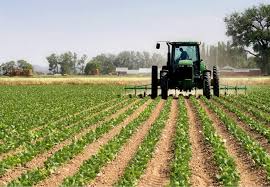 >
>
This year’s theme, “Employing Smallholder Farmers: Restoring Value, Ensuring Productivity will Ensure Attainment of Food Security in Nigeria,” touches on a critical point. Can smallholder farmers genuinely benefit from large-scale initiatives like these? It is a valid question.
Restoring value to agriculture isn’t merely a sentimental notion. It’s a pragmatic path toward revitalizing the economy. The statement noted how with the right motivations and current practices, agriculture can become a reliable engine for growth. It can provide more jobs, stabilize the markets, and provide a more sturdy base to the economy.
This Agric Show serves as a stage to display innovation across the value chain. This is great, but how much of that innovation reaches the average farmer? That’s the lingering question.>
Dangote’s investments in rice mills across several states are noteworthy. Boasting a combined milling capacity of 1.5 million tonnes annually, these mills could drastically alter the rice production landscape. Still, distribution networks and access to markets for smallholder farmers remain crucial for this investment to truly pay off for everyone.
The Chairman of the National Agricultural Foundation of Nigeria openly acknowledged Dangote’s consistent support. He specifically mentioned the vital and invaluable support from the Dangote Group. Moreover, the President of the All Farmers Association of Nigeria (AFAN) encouraged the Dangote Group to center more on agriculture because of its accomplishments in oil and gas.
Now, I’ve seen these grand plans before. Big promises, significant investments, and optimistic projections. The reality, however, often falls short. Why?
First, the devil’s always in the details. Mechanization is fantastic, but what about training, access to affordable equipment, and sustainable farming practices? Simply throwing machines at the problem won’t solve it.
Second, infrastructure remains a major obstacle. Roads, storage facilities, and reliable power are essential for moving produce from farms to markets efficiently. Without these, even the most productive farms will struggle.
Third, access to finance is a constant barrier for smallholder farmers. Can Dangote’s involvement help bridge this gap by creating more credit opportunities and fostering financial inclusion? One hopes that it will.
Furthermore, the focus on rice is understandable, given Nigeria’s massive consumption. Yet, we must avoid neglecting other vital crops and livestock, ensuring a balanced and diversified agricultural sector.
Here’s my experience, a bit of skepticism is warranted. While Dangote’s intentions might be noble, aligning corporate interests with the needs of smallholder farmers requires careful planning and execution. It demands a genuine commitment to empowering farmers, not just utilizing them as suppliers.
It’s worth pointing out, that success also hinges on government policy. Policies that promote fair pricing, protect local farmers from unfair competition, and invest in agricultural research are vital for long-term growth. Dangote’s investments should ideally complement and reinforce these governmental efforts.
Given these facts, the Dangote Group’s involvement in the agricultural sector is potentially transformative. Yet, we must proceed with cautious optimism. The true measure of success won’t be the number of rice mills built or the tonnes of rice processed. Rather, it will be in the improved livelihoods of Nigerian farmers and the sustainable growth of the agricultural sector as a whole. Are they truly restoring value, or simply shifting it? Time, and careful observation, will tell.
This challenge requires more than just investment. It demands a holistic strategy that addresses the systemic issues hindering Nigerian agriculture. From land tenure and access to technology to market access and financial inclusion, every aspect needs careful consideration.
To that end, Dangote’s influence could be a catalyst for positive change. But, let’s not mistake sponsorship for a complete solution. The real work is only just beginning. Ultimately, the success of this venture lies in how effectively it empowers the backbone of Nigerian agriculture: the smallholder farmer. Nigeria’s food security and economic future may very well depend on it.

![[post_title]](https://samony.com.ng/wp-content/uploads/2025/12/1765007717_Man-seeks-legal-help-as-girlfriend-he-sponsored-to-nursing-300x157.jpg?lm=6933E168 "He Paid for Her Nursing School, She Said No to Marriage: Now What?")

![[post_title]](https://samony.com.ng/wp-content/uploads/2025/12/Nigerian-Athlete-Oghenebrume-Faces-15-Years-Jail-Time-Over-Firearm.jpg?lm=6933DA53 "Nigerian Athlete’s American Nightmare: How Could This Firearm Charge Happen?")
![[post_title]](https://samony.com.ng/wp-content/uploads/2025/12/1765006345_Ashes-2025-live-score-England-search-for-early-Australia-wickets-300x200.jpg?lm=6933DC0C "Ashes 2025 live score: England search for early Australia wickets on day three after painful dropped catches")
![[post_title]](https://samony.com.ng/wp-content/uploads/2025/12/Dangote-Speaks-On-Reducing-Price-Of-Petrol-After-Meeting-Tinubu.webp.webp "Dangote Speaks On Reducing Price Of Petrol After Meeting Tinubu")


![[post_title]](https://samony.com.ng/wp-content/uploads/2025/12/Ned-Nwoko-Renews-Push-For-Social-Media-Regulation-After-Viral.jpg?lm=6933DAB5 "Nigeria Debates Social Media Regulation Amid Free Speech Concerns")
![[post_title]](https://samony.com.ng/wp-content/uploads/2025/12/1765007653_Premier-League-predictions-and-best-bets-91-Sunderland-can-cause-1024x576.jpg?lm=6933E128 "Prem Weekend Football: A Few Bets My Friends Are Eyeing")
![[post_title]](https://samony.com.ng/wp-content/uploads/2025/12/1765007717_Man-seeks-legal-help-as-girlfriend-he-sponsored-to-nursing-1024x535.jpg?lm=6933E169 "He Paid for Her Nursing School, She Said No to Marriage: Now What?")