![[post_title]](https://samony.com.ng/wp-content/uploads/2025/11/1763884528_Im-A-Celebritys-Kelly-Brooks-real-name-and-age-as-1024x538.jpg?lm=6922BDF2)
Kelly Brook: A Critical Look at Celebrity, Identity, and the Entertainment Industry
Kelly Brook’s recent appearance on “I’m A Celebrity… Get Me Out of Here!” brings a few things into sharp focus. Here’s a celebrity whose career began in the often-scrutinized world of lad mags and Page 3, yet she’s managed a level of longevity and mainstream appeal that’s pretty rare.
She started out as Kelly Parsons. Then, a photographer suggested the change to “Brook.” This gets at something fundamental about celebrity: the construction of an image. Parsons didn’t fit the mold, apparently. Brook did. It sounds a little harsh, but it’s a calculated decision, a rebranding of self for public consumption. I have to wonder if it was about marketability as much as escaping a childhood nickname. >
>
Brook isn’t just a name, it’s a brand. What intrigues me, though, is her own perspective. “Kelly Brook doesn’t actually exist,” she admits. That’s a rather profound statement. She sees herself as Mrs. Parisi, tied to her personal life, while “Kelly Brook” is this separate entity, existing solely in the public eye. It raises questions about authenticity and the sacrifices one makes for fame. This separation of self from persona is, I believe, a common coping mechanism for those under constant public scrutiny.
Turning 46, she’s also addressed the inevitable changes that come with age. The pressure on women, especially in entertainment, to maintain a youthful appearance is relentless. Brook’s plea for acceptance, acknowledging that she’s “not a 20-year-old bikini model anymore,” is a refreshing dose of honesty. She asks not to be compared to a past version of herself, highlighting a crucial point: people evolve.
It’s not simply about physical appearance. It’s about the expectations the industry places on women to remain perpetually young and “desirable” in a very specific way. I respect that she ran a marathon and feels confident in her body. These achievements speak of discipline and resilience, and they challenge the narrow definitions of beauty often projected onto public figures.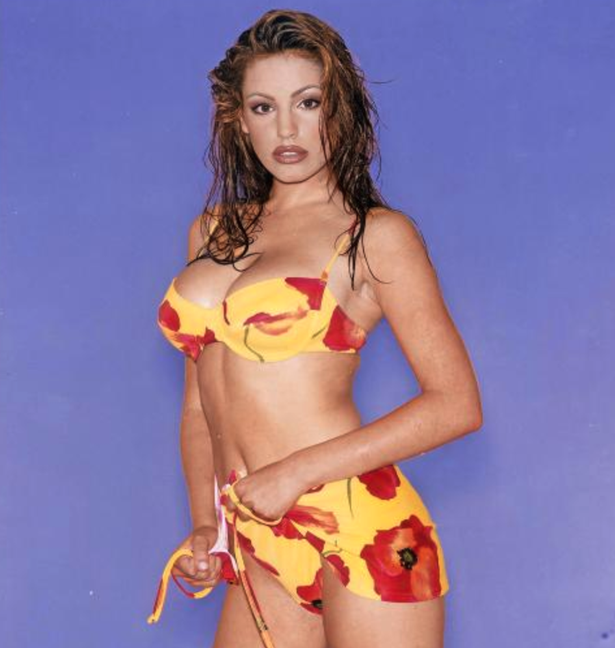 >
>
Still, there’s a calculated aspect to all of this. Acknowledging the changing body is a savvy PR move, positioning her as relatable and authentic. The entertainment world frequently rewards those who appear self-aware, but it walks a fine line between genuine vulnerability and carefully crafted narrative. I see both at play.
Her career trajectory—from lad mags to reality TV—is indicative of broader shifts in the entertainment landscape. The lines between different forms of media have blurred. Someone who started in print can now seamlessly transition to television and radio. Fame is fame, regardless of its origin. It is about adapting to the changes of media.
“I’m A Celebrity…” is, in many ways, a redemption arc for celebrities seeking to revitalize their careers. It’s a chance to show a different side, to connect with viewers on a more personal level. Brook’s participation suggests a desire to remain relevant, to tap into new audiences, and perhaps, to redefine her image once again. The real question is: how authentic can this persona be when performing for the cameras?
One thing is clear. Brook’s story is not just a personal narrative, but a reflection of larger forces shaping the entertainment industry. She embodies the constant negotiation between image, identity, and the ever-shifting demands of fame.

![[post_title]](https://samony.com.ng/wp-content/uploads/2025/12/1764998564_Ukraine-Russia-war-latest-Putin-risks-fresh-row-with-Trump-after-300x200.jpeg?lm=6933BDA8 "Ukraine War Reshapes Global Order: A Complex Web of Power, Diplomacy, and Risk")
![[post_title]](https://samony.com.ng/wp-content/uploads/2025/12/High-Risk-for-Frostbite-Heart-Strain-and-Chronic-Conditions-300x169.jpg?lm=6933A071 "Polar Vortex Here? What You MUST Know to Stay Safe")

![[post_title]](https://samony.com.ng/wp-content/uploads/2025/12/Full-List-Of-Lawmakers-Who-Refused-To-Dump-PDP-For.jpg?lm=6933A187 "Rivers State: Defection Dynamics and Political Fortunes")

![[post_title]](https://samony.com.ng/wp-content/uploads/2025/12/Dangote-Speaks-On-Reducing-Price-Of-Petrol-After-Meeting-Tinubu.webp.webp "Dangote Speaks On Reducing Price Of Petrol After Meeting Tinubu")
![[post_title]](https://samony.com.ng/wp-content/uploads/2025/12/1764998564_Ukraine-Russia-war-latest-Putin-risks-fresh-row-with-Trump-after-1024x683.jpeg?lm=6933BDAE "Ukraine War Reshapes Global Order: A Complex Web of Power, Diplomacy, and Risk")