

![[post_title]](https://samony.com.ng/wp-content/uploads/2025/11/1763714642_Multiple-school-children-critically-injured-in-grizzly-bear-attack-1024x683.jpeg?lm=69202655)
Analyzing the Broader Implications of the Bella Coola Bear Attack: A Critical Look
The recent grizzly bear attack in Bella Coola, British Columbia, where schoolchildren and a teacher suffered serious injuries, sends a chill beyond just this immediate tragedy. It forces a complex discussion about human-wildlife interaction, particularly in areas where development edges into natural habitats. News outlets are reporting on the immediate aftermath, but let’s consider the deeper currents at play.
First, the facts: A group of students and teachers were attacked by a grizzly bear on a trail. Teachers bravely intervened, using bear spray and bear bangers. Four individuals required medical attention. Authorities are searching for the bear, and residents are advised to stay indoors. This is, sadly, not an isolated incident. We’ve witnessed similar confrontations in other regions, raising a common question: Are these increasing?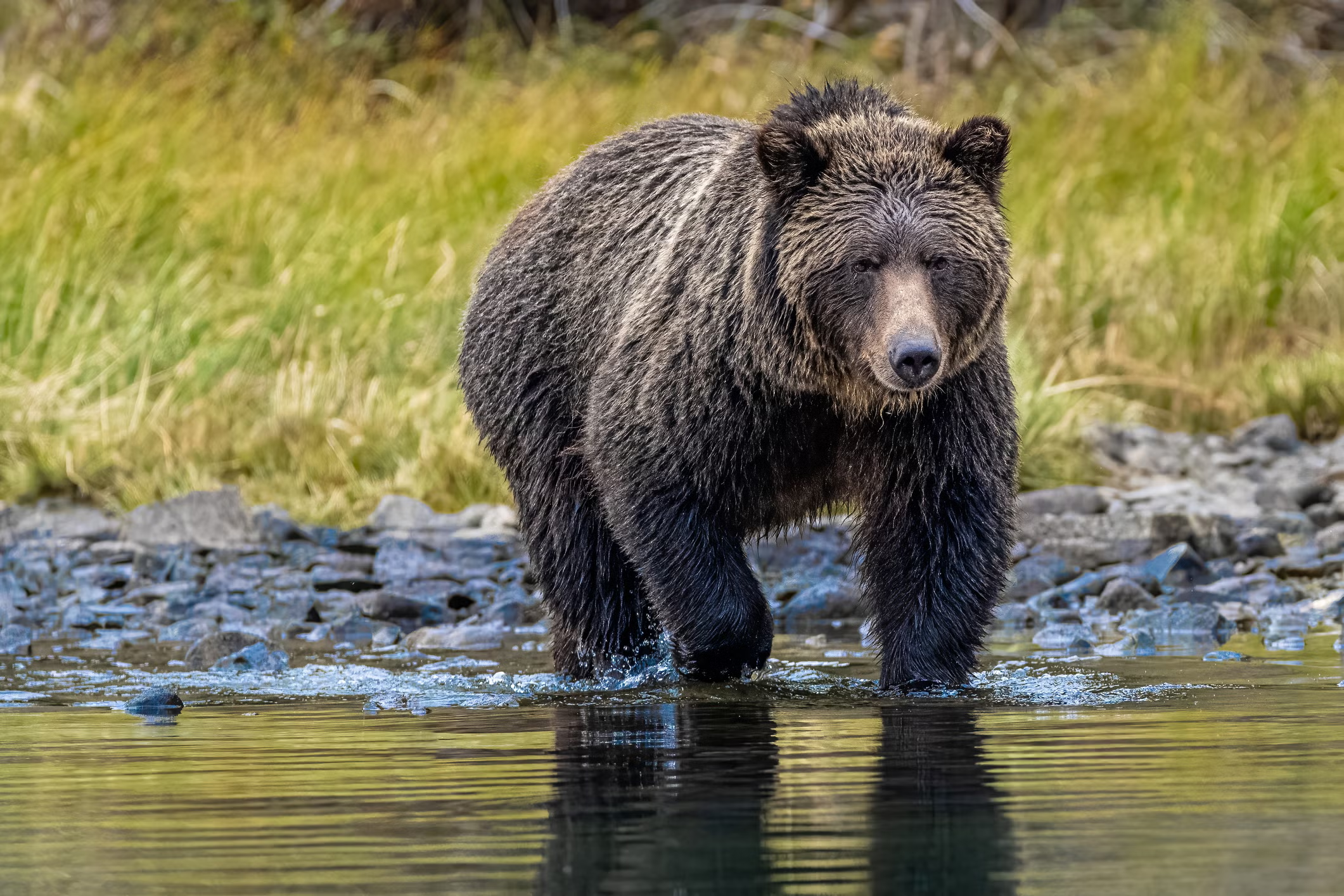 >
>
One can’t help but ask: What drove this bear to attack? Was it an anomaly, a bear with an existing injury, as some reports suggest, or does it signal a bigger shift in bear behavior? Habitat loss plays a significant role. As human development encroaches further into wilderness areas, we inevitably increase the potential for encounters. This squeezes wildlife, disrupting their natural feeding patterns and leading to increased stress and potential aggression.
Then there’s the matter of bear management. British Columbia, like many regions with significant bear populations, has policies in place aimed at mitigating human-wildlife conflict. Still, incidents like this underscore the limitations of those measures. Bear spray and bangers, while often effective, aren’t foolproof. Proper education and preparedness are paramount, yet even the most diligent precautions can fall short when faced with a determined animal.
It’s worth noting the Nuxalk Nation’s involvement. The Acwsalcta School, whose students were involved, is run by the Nuxalk Nation. Their deep connection to the land means this incident cuts even deeper. Any solution will need to recognize and honor their traditional knowledge and stewardship practices. This isn’t about imposing external solutions; it’s about collaborative approaches.>
Now, let’s talk about accountability. After such events, a wave of public concern invariably arises. This concern, while well-intentioned, often leads to calls for aggressive bear removal or even hunting quotas. While such approaches might offer a sense of immediate security, they rarely address the underlying causes of the conflict and can have devastating consequences for bear populations. Is eliminating the bear the right move? Or does that just avoid the underlying issue of habitat encroachment?
Here’s where a balanced perspective becomes crucial. We need to find ways to coexist with wildlife. This means responsible land management practices, investment in non-lethal conflict mitigation strategies, and a genuine commitment to understanding bear behavior. “Bear-proofing” communities, securing food sources, and educating residents about bear safety are just a few steps in the right direction.
The media’s role warrants some examination, too. Headlines often sensationalize bear attacks, feeding into fear and potentially undermining efforts to promote coexistence. A more nuanced approach, focusing on the ecological context and long-term solutions, would serve the public better.
From my own observations, there’s a repeating pattern. After a tragic encounter, the immediate response is usually fear and reactive measures. Yet, a more sustainable path requires proactive strategies, a long-term vision that prioritizes both human safety and wildlife conservation.
Looking ahead, it’s vital to foster a culture of respect and understanding for wildlife. This incident should galvanize efforts to protect critical habitat, promote responsible development, and empower communities to coexist with bears. Otherwise, the tragedy in Bella Coola will be repeated, and the delicate balance between humans and nature will continue to fray. This attack serves as a grim reminder that coexistence requires constant vigilance and proactive planning. It’s a challenge, undeniably, but one we must meet head-on to ensure the safety of both people and wildlife.

![[post_title]](https://samony.com.ng/wp-content/uploads/2025/11/1764465123_Sarina-Wiegman-reaches-England-milestone-with-eight-goal-win-over-China-300x203.jpeg?lm=692B99E6 "Lionesses’ 8-0 Win: Analyzing England’s Strengths and Challenges")
![[post_title]](https://samony.com.ng/wp-content/uploads/2025/11/Airbus-orders-emergency-A320-safety-update-warns-of-global-disruptions-300x201.jpg?lm=692B9730 "Solar Storms Grounding Planes? What’s Really Going On With the Airbus A320")
![[post_title]](https://samony.com.ng/wp-content/uploads/2025/11/1764463988_Sorry-ChatGPT-and-Gemini-cant-improve-on-my-moms-handwritten-300x169.jpg?lm=692B9577 "I Asked AI to Upgrade My Grandma’s Apple Pie Recipe…It Got Weird.")
![[post_title]](https://samony.com.ng/wp-content/uploads/2025/11/1764463101_My-Father-Regretted-Funding-My-School-Fees-After-I-Went-300x225.jpeg?lm=692B9200 "Is Sabinus Redefining Success for a New Generation of Nigerians?")
![[post_title]](https://samony.com.ng/wp-content/uploads/2025/11/1764461681_Thanksgiving-home-invasion-leaves-dog-dead-and-widow-without-wedding-300x200.png?lm=692B8C74 "Home Invasions: Are You Really Safe? And What Can You Do Now?")
![[post_title]](https://samony.com.ng/wp-content/uploads/2025/11/Troops-repel-ISWAP-attack-in-Chibok-300x169.png?lm=692B8FF9 "Chibok Attack: Did Nigeria Just Win a Battle, or Is the War Still Raging?")

![[post_title]](https://samony.com.ng/wp-content/uploads/2025/11/1764465950_Pentagon-rolls-out-the-welcome-wagon-for-new-MAGA-friendly-press-1024x683.jpg?lm=692B9D20 "Defense Journalism’s Crossroads: Access, Bias, and the Pentagon’s Narrative Control")
![[post_title]](https://samony.com.ng/wp-content/uploads/2025/11/Opposition-APC-clash-over-Tinubus-ambassadorial-nominees.jpeg?lm=692B9ABC "Nigeria’s Ambassadorial Choices: Controversy and Consequences")
![[post_title]](https://samony.com.ng/wp-content/uploads/2025/11/1764465123_Sarina-Wiegman-reaches-England-milestone-with-eight-goal-win-over-China-1024x694.jpeg?lm=692B99E7 "Lionesses’ 8-0 Win: Analyzing England’s Strengths and Challenges")
![[post_title]](https://samony.com.ng/wp-content/uploads/2025/11/Airbus-orders-emergency-A320-safety-update-warns-of-global-disruptions.jpg?lm=692B972E "Solar Storms Grounding Planes? What’s Really Going On With the Airbus A320")
