

![[post_title]](https://samony.com.ng/wp-content/uploads/2025/11/1763822317_I-go-dey-outside-Man-refuses-to-stay-inside-1024x535.jpg?lm=6921CAEF)
Analyzing Fear and Faith: A Look at Security Concerns in Nigerian Churches
A recent video of a Nigerian man choosing to stay outside a church during a night vigil, citing fear of bandit attacks, has understandably stirred conversation online. The clip, posted on TikTok, shows him with friends outside the church, pointing to the fence as a potential escape route. His rationale? The recent surge in violence targeting religious institutions makes staying inside feel risky. This incident, while seemingly isolated, touches on wider concerns about safety and security in Nigeria, demanding a deeper inspection.
It’s easy to dismiss this man’s behavior as extreme. Yet, his apprehension reflects a legitimate and growing anxiety. News of the Kwara church attack, where gunmen killed worshippers and kidnapped others, is still fresh. Such incidents understandably erode public confidence and compel individuals to make difficult choices about their safety, and how they want to worship.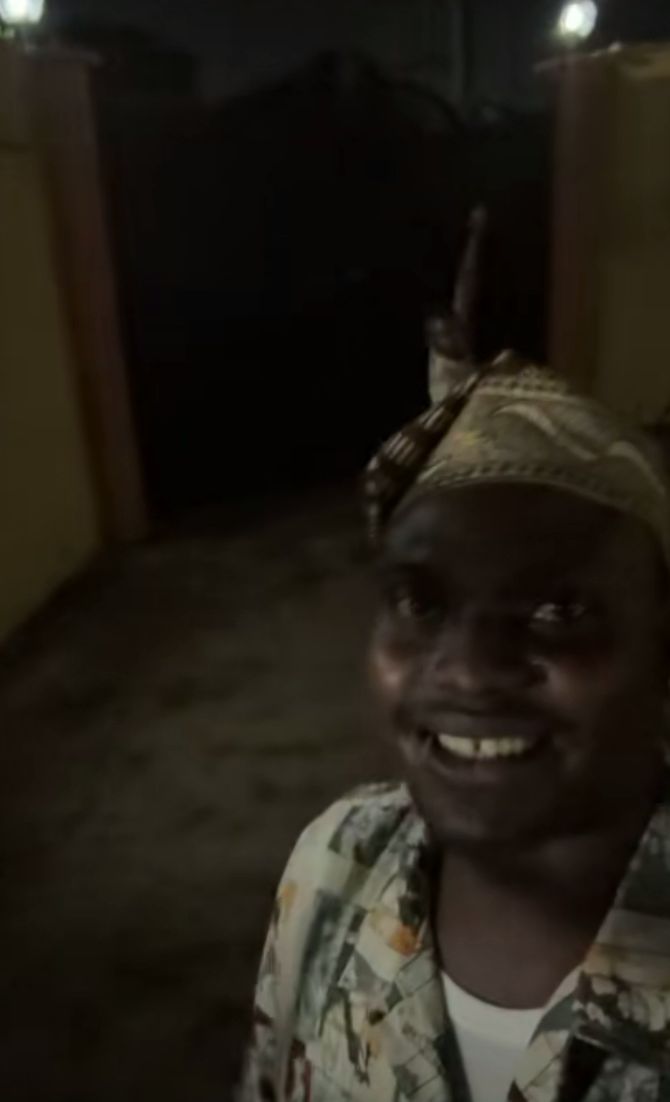 >
>
The media coverage undoubtedly plays a role. The virality of the TikTok video, alongside reports of attacks, creates a feedback loop, amplifying fear. While responsible reporting is crucial, it’s also worth pondering how constant exposure to such news shapes perceptions of risk. Do these narratives accurately represent the everyday reality for most Nigerians, or do they contribute to a sense of pervasive insecurity?
Now, faith is a complicated thing. For many, attending church services, even in the face of potential danger, represents a profound act of devotion and defiance. Prayer, community, and spiritual solace become even more vital during times of crisis. Yet, the decision to prioritize personal safety can hardly be faulted. It’s a deeply personal calculation, weighing spiritual needs against tangible risks.
This situation exposes a challenging dichotomy. Religious institutions, traditionally seen as sanctuaries, are now viewed by some as potential targets. This change necessitates a conversation about security measures, community vigilance, and the role of government in protecting its citizens.>
What solutions exist? Stricter security protocols at churches are a start. Perhaps local communities could organize neighborhood watches. Pressure on the government to address the root causes of banditry and insecurity is essential. But, such actions require resources, coordination, and a genuine commitment from all stakeholders.
Looking back, similar situations have unfolded in other regions facing unrest. The strategies that worked (or didn’t work) elsewhere offer valuable lessons. Proactive measures, like intelligence gathering and community policing, usually prove more effective than reactive responses.
Still, there’s no one-size-fits-all solution. The specific context of each community needs factoring in. Cultural sensitivities, resource constraints, and the evolving nature of the threats have to be considered when formulating effective safety measures.
It’s worth noting the psychological impact of these events. Fear can be paralyzing, leading to social isolation and a breakdown of trust. Religious leaders, community figures, and mental health professionals have a role in addressing the emotional toll of insecurity. Encouraging open dialogue, fostering resilience, and promoting a sense of collective responsibility are essential steps.
The man in the TikTok video is not simply expressing fear; he’s also highlighting a systemic problem. He’s drawing attention to the breakdown of security, forcing a conversation about the vulnerability of religious communities. He’s asking a question that demands an answer: How can Nigerians practice their faith without fearing for their lives?
What’s next? It’s hard to say. But a multifaceted response is certainly needed: one that addresses the immediate security concerns while tackling the underlying issues that fuel violence and instability. Community engagement should come first. The safety of worshippers needs to become a shared responsibility, with government, religious leaders, and ordinary citizens working together to build a safer future. This is an ongoing challenge, and how Nigeria responds will shape its social fabric for years to come.

![[post_title]](https://samony.com.ng/wp-content/uploads/2025/11/Troops-repel-ISWAP-attack-in-Chibok-300x169.png?lm=692B8FF9 "Chibok Attack: Did Nigeria Just Win a Battle, or Is the War Still Raging?")
![[post_title]](https://samony.com.ng/wp-content/uploads/2025/11/Ankers-handy-little-3-port-charger-is-just-35-bucks-300x155.jpg?lm=692B8632 "Anker Prime 67W Charger: Travel Charging Refined")
![[post_title]](https://samony.com.ng/wp-content/uploads/2025/11/EFCC-Alleges-Arik-Air-Mismanagement-Under-AMCON-Receivership-N350bn-Losses-300x170.jpg?lm=692B8720 "Arik Air’s Collapse: Did AMCON Asset Strip or Mismanage N350 Billion?")

![[post_title]](https://samony.com.ng/wp-content/uploads/2025/11/1764459660_Liverpool-parade-driver-Paul-Doyle-likely-to-be-moved-to-300x158.jpg?lm=692B848E "Liverpool Parade Crash: Driver’s PTSD Diagnosis Raises Justice Questions")


![[post_title]](https://samony.com.ng/wp-content/uploads/2025/11/1764463101_My-Father-Regretted-Funding-My-School-Fees-After-I-Went-1024x769.jpeg?lm=692B9200 "Is Sabinus Redefining Success for a New Generation of Nigerians?")
![[post_title]](https://samony.com.ng/wp-content/uploads/2025/11/1764461681_Thanksgiving-home-invasion-leaves-dog-dead-and-widow-without-wedding-1024x683.png?lm=692B8C75 "Home Invasions: Are You Really Safe? And What Can You Do Now?")
![[post_title]](https://samony.com.ng/wp-content/uploads/2025/11/Troops-repel-ISWAP-attack-in-Chibok-1024x576.png?lm=692B8FFA "Chibok Attack: Did Nigeria Just Win a Battle, or Is the War Still Raging?")
![[post_title]](https://samony.com.ng/wp-content/uploads/2025/11/Ankers-handy-little-3-port-charger-is-just-35-bucks-1024x530.jpg?lm=692B8632 "Anker Prime 67W Charger: Travel Charging Refined")
