

![[post_title]](https://samony.com.ng/wp-content/uploads/2025/11/Texas-governor-declares-one-of-Americas-largest-Muslim-civil-rights-1024x683.jpeg?lm=691EC55C)
Texas Governor’s CAIR Designation: A Critical Analysis
Governor Abbott’s recent declaration branding CAIR, a prominent Muslim civil rights group, as a ‘foreign terrorist organization’ raises several immediate questions. It aims to halt CAIR’s operations and property acquisition within Texas. This isn’t just about one organization; the Muslim Brotherhood received the same designation.
It’s worth noting that the U.S. government doesn’t share this view. Neither group holds an official designation as a foreign terrorist organization at the federal level. CAIR swiftly responded, accusing Abbott of fueling anti-Muslim sentiment and asserting the baseless nature of the declaration.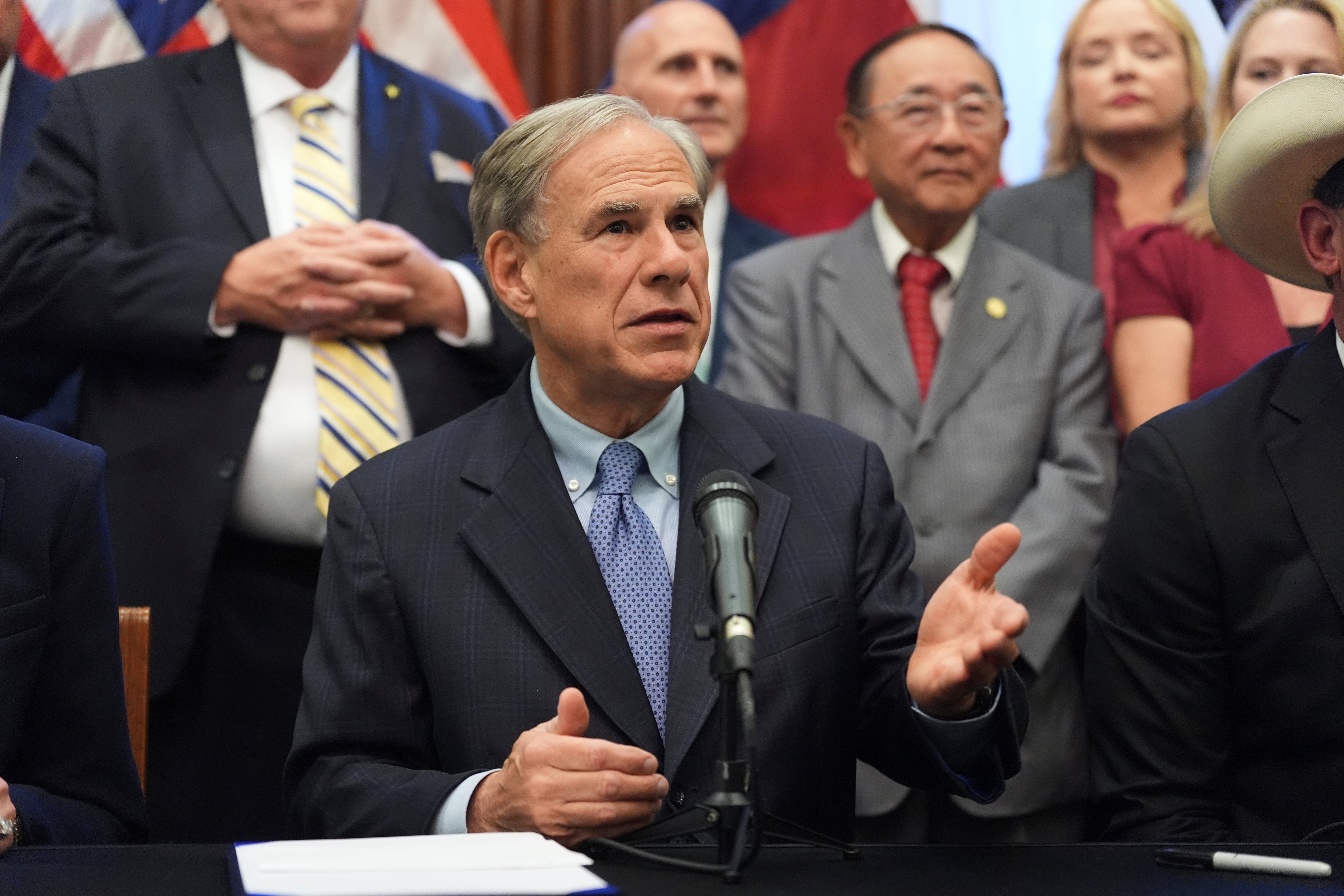 >
>
This action follows a familiar pattern. Remember the efforts to block the Muslim-centered community near Dallas? The specter of Islamic law was raised then, investigations launched. Yet, the Justice Department closed its civil rights inquiry without any action.
Abbott cites a newly enacted law restricting land purchases by “foreign adversaries.” A Republican state representative lauded the governor’s move, calling it justification for the law. Still, one wonders, what is the true intent here?
The Muslim Brotherhood, a century-old organization with global reach, is undoubtedly controversial. It proclaims a commitment to peaceful means, though many, particularly in the Middle East, view it as a threat. It’s easy to see how such a broad-brush designation can become a tool. I’ve observed similar tactics used to marginalize groups by linking them, however tenuously, to broader narratives of extremism.>
The bigger challenge is how this plays out. Will this designation hold up to legal scrutiny? Will it embolden similar actions against other advocacy groups? This situation demands careful consideration, not only for its immediate impact but for the precedent it might set. There will likely be repercussions.

![[post_title]](https://samony.com.ng/wp-content/uploads/2025/12/1764911777_Updated-More-nominees-make-Tinubus-ambassadorial-list-300x200.jpg?lm=69326AA3 "Nigeria’s Diplomatic Shakeup: Tinubu’s Ambassadorial Nominees Under Scrutiny")
![[post_title]](https://samony.com.ng/wp-content/uploads/2025/12/1764911867_Ashes-2025-live-score-Head-dropped-on-three-as-England-300x194.jpeg?lm=69326AFE "Ashes 2025: England Faces Early Bowling Struggles, Missed Chances Against Australia")
![[post_title]](https://samony.com.ng/wp-content/uploads/2025/12/Blue-Jays-Election-top-Googles-Canadian-2025-Year-in-Search-300x169.jpg?lm=69326764 "Canada’s 2025 in Google Search: Blue Jays, Elections, and Global Concerns")

![[post_title]](https://samony.com.ng/wp-content/uploads/2025/12/VIO-Takes-Step-After-Appeal-Court-Ban-On-Impounding-Vehicles.webp.webp "They Banned Impounding Cars?! What Happens Now Is Actually Pretty Smart")

![[post_title]](https://samony.com.ng/wp-content/uploads/2025/12/1764911476_Megan-Markles-family-give-health-update-on-dad-as-he-1024x538.jpg?lm=69326978 "Thomas Markle’s Health: Family Estrangement and Media Scrutiny")
![[post_title]](https://samony.com.ng/wp-content/uploads/2025/12/Is-Lifting-Weights-Good-for-Heart-Health-1024x576.jpg?lm=69326879 "Strength Training: A Powerful Workout for Heart Health")
![[post_title]](https://samony.com.ng/wp-content/uploads/2025/12/1764911777_Updated-More-nominees-make-Tinubus-ambassadorial-list.jpg?lm=69326AA3 "Nigeria’s Diplomatic Shakeup: Tinubu’s Ambassadorial Nominees Under Scrutiny")
![[post_title]](https://samony.com.ng/wp-content/uploads/2025/12/1764911867_Ashes-2025-live-score-Head-dropped-on-three-as-England-1024x662.jpeg?lm=69326AFF "Ashes 2025: England Faces Early Bowling Struggles, Missed Chances Against Australia")
