

Nigeria Sports Rebirth? Analyzing the National Sports Commission’s Strategy
Honorable Bukola Olopade, Director-General of the National Sports Commission (NSC), sees Nigeria’s performance at the Islamic Solidarity Games as evidence of a resurgence in its sports program. He points to emerging athletes exceeding expectations as proof of a blueprint taking shape. Maybe so.
The claim is that these games serve as an “incubation ground” for talent identified at the National Sports Festival. These events supposedly prepare young athletes for the national stage. This concept, though well-intentioned, has a familiar ring. Talent identification programs are common; executing them effectively is another matter. >
>
Olopade highlights presidential support as crucial for restoring athlete confidence. Funding and backing definitely aid athletes. Yet, consistent support, not just initial enthusiasm, is what truly reshapes long-term athletic development.
Foreign-based athletes are receiving praise for their commitment. These athletes often face difficult choices balancing club duties with national commitments. Recognizing their dedication is certainly worthwhile.
There are acknowledgements of existing shortcomings. Improved kits and timely bonus payments are supposedly in the works. They are addressing basic issues. However, these improvements alone don’t guarantee a place on the global podium.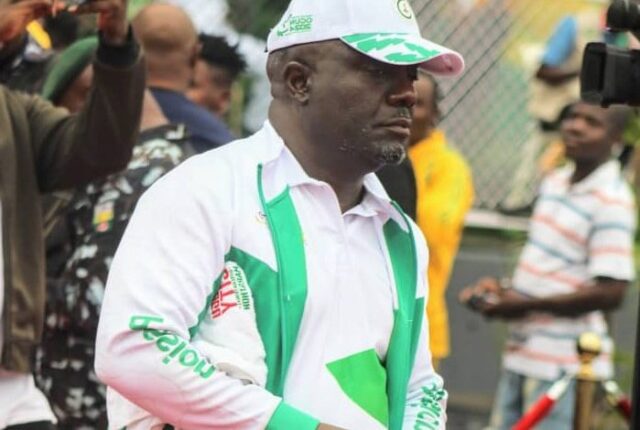 >
>
The DG believes Nigeria’s “best sporting days” are coming. I’ve heard similar optimism before. It requires more than faith. A comprehensive system that emphasizes grassroots development, elite coaching, and robust infrastructure is essential. The narrative might be shifting, but sustained action determines if this rebirth is genuine.

![[post_title]](https://samony.com.ng/wp-content/uploads/2025/12/1764846049_Everyones-complaining-about-Spotify-Wrapped-for-this-one-brutal-reason-300x158.jpg?lm=693169E5 "Spotify Wrapped 2025: Ageism in Your Algorithm?")
![[post_title]](https://samony.com.ng/wp-content/uploads/2025/12/Leadership-transition-at-Construction-Kaiser-ushers-in-Euchenhofer-as-CEO-300x171.png?lm=693168CC "CKL’s CEO Change: Navigating Nigeria’s Construction Realities, Not Just a Global Playbook")

![[post_title]](https://samony.com.ng/wp-content/uploads/2025/12/Why-Presidency-Is-Silent-Over-The-Controversy-On-Ambassadorial-List.jpg?lm=69316936 "Nigeria’s Ambassadorial List: Why the President Isn’t Talking—And What It Means.")

![[post_title]](https://samony.com.ng/wp-content/uploads/2025/12/Perth-Wildcats-Seek-Revenge-Against-Melbourne-United-in-Round-11-1024x576.jpg?lm=69317034 "Wildcats vs. United: Is This Perth’s Revenge Game?")
![[post_title]](https://samony.com.ng/wp-content/uploads/2025/12/1764846049_Everyones-complaining-about-Spotify-Wrapped-for-this-one-brutal-reason-1024x538.jpg?lm=693169E5 "Spotify Wrapped 2025: Ageism in Your Algorithm?")
