![[post_title]](https://samony.com.ng/wp-content/uploads/2025/11/1763536301_What-to-know-about-the-F-35-fighter-jet-Trump-just-1024x683.jpg?lm=691D6DB1)
F-35 Fighter Jet Sale to Saudi Arabia: A Critical Look
The proposed F-35 fighter jet sale to Saudi Arabia raises familiar questions about technology, geopolitics, and military advantage. News reports highlight President Trump’s agreement to proceed with the deal, even amid concerns about China potentially accessing the jet’s advanced technology. Securing Saudi Arabia’s commitment perhaps served a strategic purpose.
There’s a balancing act at play here. On one hand, the US wants to maintain Israel’s military edge in the region. Supplying advanced weaponry to Saudi Arabia could tilt that balance. Yet, withholding such technology risks alienating a key partner. It’s a tough call, one that successive administrations have wrestled with.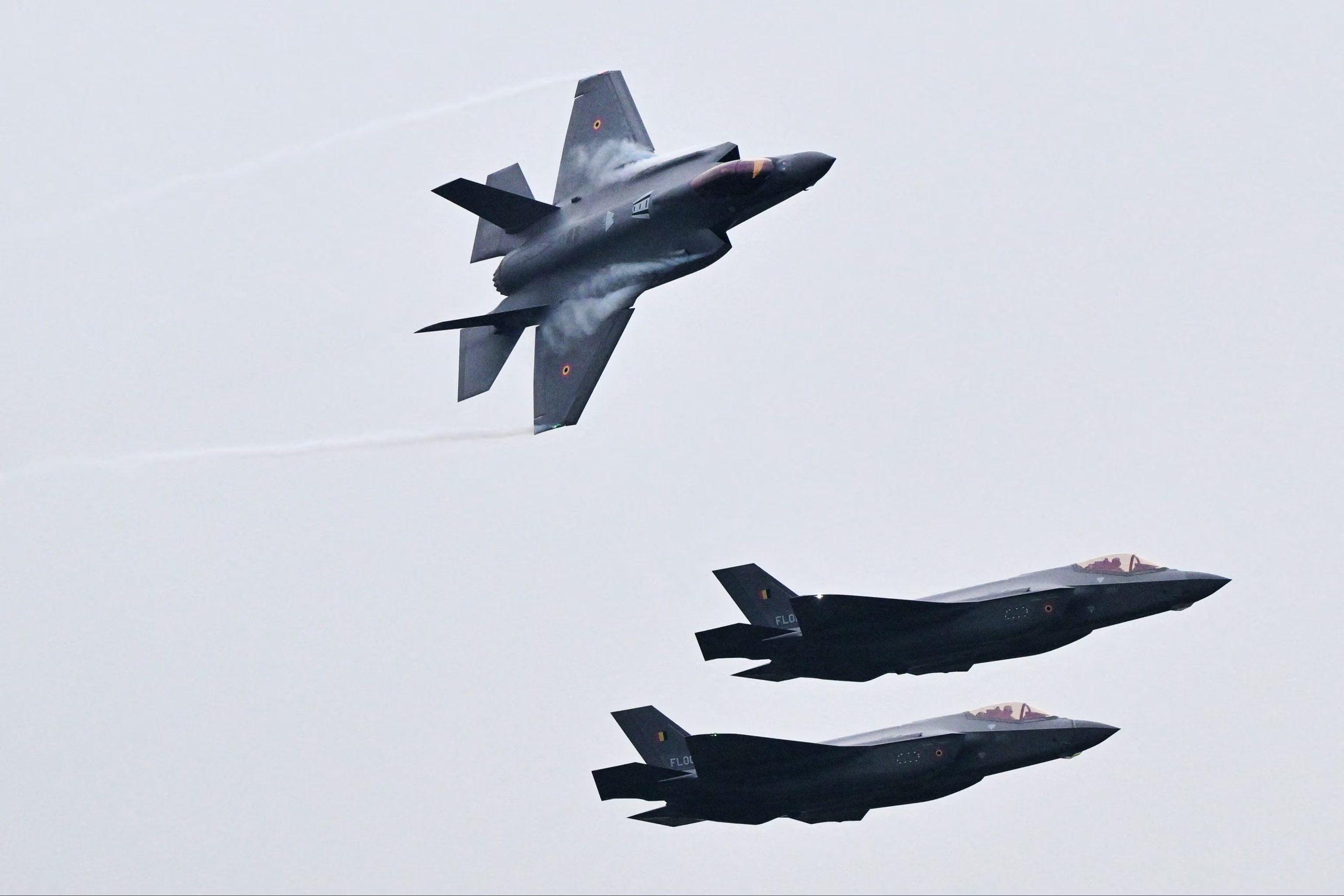 >
>
The F-35 itself is a story of ambition and compromise. Conceived decades ago, it aimed to create a versatile fighter for multiple branches of the US military. This ambition led to soaring costs and delays. Reports show each jet cost roughly $77 million in 2023. That’s a hefty price tag, and keeping the entire F-35 fleet operational may reach over $2 trillion across its lifecycle.
Still, the F-35 remains a sought-after piece of military hardware. Its stealth capabilities and advanced sensors make it a potent weapon. Lockheed Martin asserts that it supports nearly 300,000 jobs. If other countries seek this aircraft, it can improve the job market.
Reports from the Government Accountability Office reveal concerns about readiness and maintenance. Some experts even argue the F-35 doesn’t truly excel at any one role. These are valid points. It’s worth asking if the program delivered on its initial promises.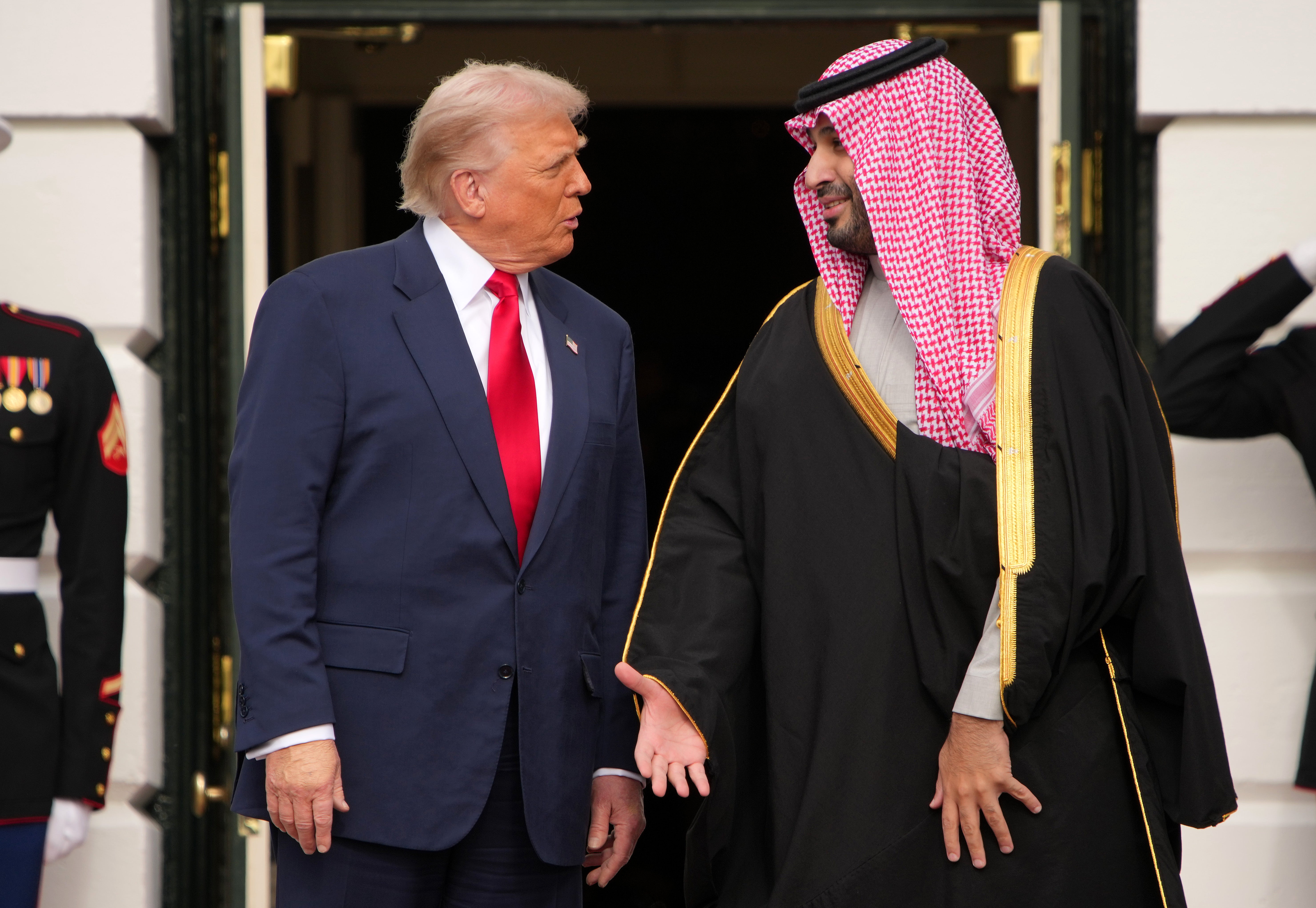 >
>
From my perspective, the F-35 saga echoes past defense projects. The drive for cutting-edge technology often clashes with budgetary realities. Yet, the complexities of modern warfare demand sophisticated tools. The F-35, for all its flaws, undoubtedly reshapes the strategic landscape. What happens in the future to the F-35 will change military history and shape warfare for decades to come.



![[post_title]](https://samony.com.ng/wp-content/uploads/2025/12/Nvidia-boss-Jensen-Huang-steers-Trump-Congress-against-AI-chip-300x169.jpg?lm=69324AE7 "Nvidia’s AI Power Play: Did Jensen Just Sway US Policy?")
![[post_title]](https://samony.com.ng/wp-content/uploads/2025/12/Warriors-vs-76ers-live-online-score-stats-updates-300x169.jpg?lm=6932376A "Warriors Face Sixers Test of Depth Amid Curry’s Absence")
![[post_title]](https://samony.com.ng/wp-content/uploads/2025/12/1764896764_Hegseth-orders-new-strike-that-kills-4-on-alleged-drug-300x200.jpg?lm=69322FFF "U.S. Military Strikes: Escalation, Ethics, and Accountability")
![[post_title]](https://samony.com.ng/wp-content/uploads/2025/12/Nigeria-Approves-Fiscal-Plan-Proposing-N545trn-2026-Budget-300x169.jpg?lm=69323047 "Nigeria’s N54.5 Trillion Budget: Ambition vs. Reality")

![[post_title]](https://samony.com.ng/wp-content/uploads/2025/12/How-to-watch-todays-Toronto-Raptors-vs-Los-Angeles-Lakers-1024x576.jpg?lm=693253BE "Raptors Host Lakers: Key Matchups, Injuries, and Game Analysis")