

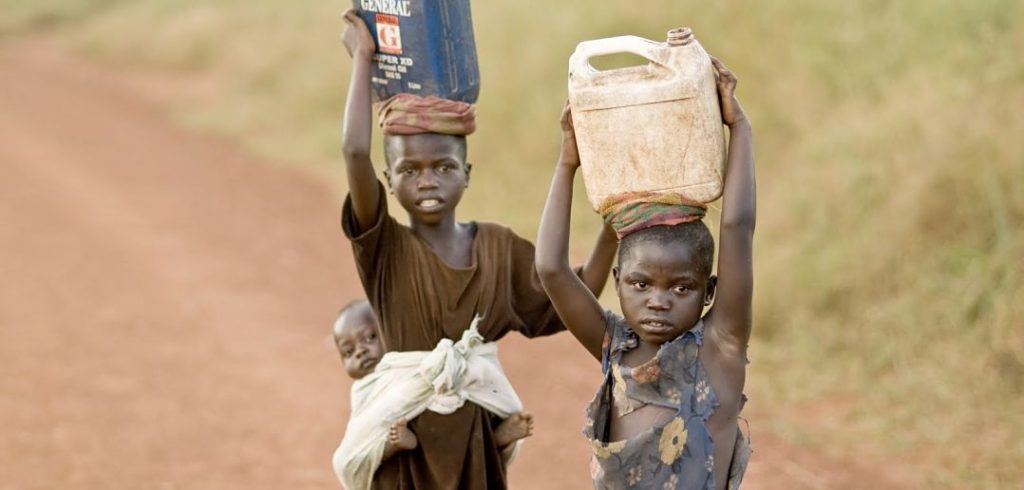
Nigeria and Africa’s poverty problem? It often circles back to underutilized resources. Dr. Paul Alaje’s recent colloquium hammered on this point. Africa isn’t poor because it lacks resources, he argued. It’s poor because it’s failing to convert potential into tangible progress.
Alaje’s perspective resonates. We see the raw materials, the youthful population. Still, a vast number of Africans struggle with extreme poverty. A big piece of it? Our failure to trade effectively with each other. Intra-African trade crawls along, a fraction of what’s possible. Visa restrictions, infrastructure gaps – they all contribute. It’s hard to build prosperity when you can barely move goods and people.
Consider South Korea, Rwanda, Botswana – they actively engineered their way out of poverty. They didn’t wait for it to happen. Strategic investments and solid governance were their tools. Nigeria, and Africa as a whole, can borrow from that playbook. A shift from consumption to production seems obvious. Value chains, industrial growth fueled by our own resources… these are within reach.
Of course, talk is cheap. We need more than just ambition. Alaje highlights institutions, security, and technology as critical enablers. Spot on. Corruption remains a major drag, hindering even the best policies. Digital governance and streamlined trade processes? These could be game-changers.
Brig. Gen. Wallace W. Williams, from AICCI, underscored the need for consistent and predictable policies to attract investment. He’s not wrong. Investors crave stability. He also notes the diaspora’s massive contribution. It’s a pool of capital and expertise we need to tap more effectively.
Chief (Mrs.) Bola Obasanjo added a crucial point: empowering women. It’s not just about fairness; it’s economic sense. You can’t build a strong economy while sidelining half the population. Inclusivity isn’t a buzzword; it’s a strategy.
It’s worth noting that these challenges aren’t new. We’ve heard similar calls for reform before. What makes this time different? Perhaps a growing awareness that the old models simply aren’t working. To that end, the conversation needs to move beyond identifying problems. It requires focused action. Real investment. Concrete plans implemented with transparency and accountability. Africa’s potential is undeniable. The key is unlocking it.
Keywords: Africa poverty, underutilized resources, intra-African trade, economic development, strategic investment, digital governance, diaspora investment, women empowerment

![[post_title]](https://samony.com.ng/wp-content/uploads/2025/12/1764719532_Inside-Real-Madrid-Differences-in-the-dressing-room-and-difficulties.jpg "Real Madrid Crisis: Dressing Room Unrest and Alonso’s Tactical Puzzle")
![[post_title]](https://samony.com.ng/wp-content/uploads/2025/12/As-Colonel-Sani-Bello-Rtd-Marks-his-83rd-Birthday-On.webp.webp "What Colonel Sani Bello’s Life Can Teach Us About Nigeria")
![[post_title]](https://samony.com.ng/wp-content/uploads/2025/12/1764717679_OpenAI-CEO-declares-code-red-as-Gemini-gains-200-million.jpg "OpenAI Just Hit the Panic Button Over Google’s AI?! What’s Really Going On")
![[post_title]](https://samony.com.ng/wp-content/uploads/2025/12/1764716752_Sabrina-Carpenter-slams-White-House-for-using-her-music-in.jpg "Sabrina Carpenter vs. White House: When Pop Music Gets Political")
![[post_title]](https://samony.com.ng/wp-content/uploads/2025/12/1764716611_Reactions-After-The-Certificate-Of-Expulsion-That-PDP-Issued-To.png "Wike Got Kicked Out of PDP?! What This Means for Nigeria’s 2027 Elections")
![[post_title]](https://samony.com.ng/wp-content/uploads/2025/12/1764715530_How-Arne-Slot-fits-Mohamed-Salah-into-his-long-term-Liverpool.jpeg "Salah’s Future: Slot’s Liverpool Strategy Takes Shape")

![[post_title]](https://samony.com.ng/wp-content/uploads/2025/12/1764719832_Larry-Summers-banned-for-life-from-American-Economic-Association-over-1024x683.jpg?lm=692F7CDE "Larry Summers AEA Ban: Ethics, Epstein, and Economics’ Reckoning")

