


Nigeria’s Food Crisis: A Decade Overdue for Emergency Action?
Ada Osakwe’s recent commentary on Nigeria’s food security paints a stark picture. Should Nigeria have declared a food emergency a decade ago? The UN’s projection that 34 million Nigerians could face severe food insecurity by mid-2026 certainly raises alarms. This isn’t just about having food; it’s about nutrition, infrastructure, and long-term planning.
Osakwe astutely points out that the core problem lies in infrastructure: irrigation, storage, and processing. Consider this: We’re talking about a country losing up to 60% of its fruits and vegetables after harvest due to inadequate cold storage. Solve that bottleneck, and you immediately impact food availability and affordability. Simple conditioned warehouses, strategically placed, could be game-changing.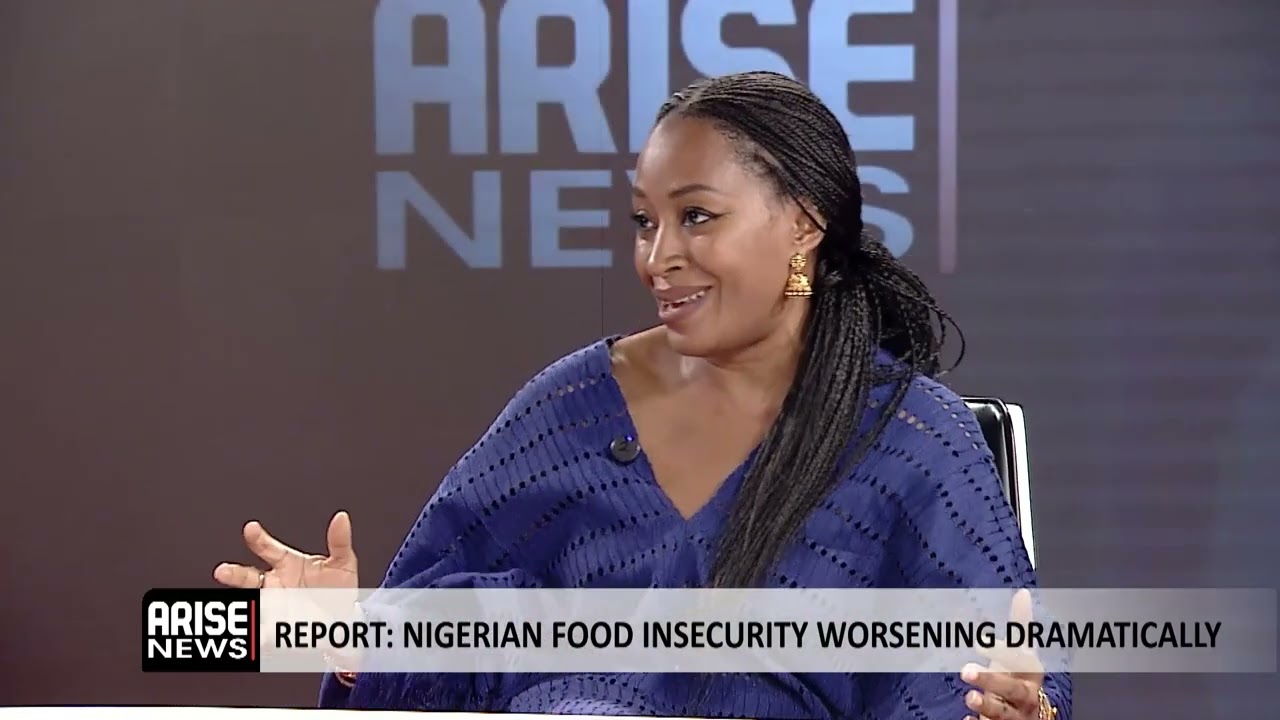 >
>
It’s worth noting the need to move beyond just availability. Malnutrition rates, especially in northern Nigeria, remain alarmingly high. It’s a multifaceted challenge, needing nutritious foods available to both mothers and children.
We also keep importing food we should be growing ourselves. That’s billions leaving the country and a clear sign of systemic failure. Strategic grain reserves, revitalized through public-private partnerships, could offer a buffer. The government is trying, but progress is incremental.
The private sector’s role is vital, but investment decisions hinge on profitability. Agriculture needs to demonstrate its bankability. The rise of agri-tech, banks creating agriculture desks, and more investment in agro-processing – these are positive signals. But we need business models that make economic sense.>
Looking back, has there been progress? Yes, undeniably. There are more entrepreneurs, more bankable models, more funding for agro-processors, including women-owned businesses. Yet, the gaps remain significant. Small businesses have a really hard time doing export certifications, and that limitation keeps Nigeria from really being competitive.
Climate change only exacerbates the crisis. Increased focus on sustainability and early warning systems are welcome. Yet, some of the answers might be right under our noses. Osakwe highlights indigenous, drought-resistant crops like acha and fonio. These resilient crops, already used locally, showcase the potential of looking inward for sustainable food solutions.
Ultimately, Nigeria’s food security hinges on addressing these critical infrastructure gaps, promoting sustainable agricultural practices, and creating an environment where the private sector can thrive. Viewing agriculture as a business, not a charity case, is essential for long-term progress.

![[post_title]](https://samony.com.ng/wp-content/uploads/2025/12/1764574213_Man-shares-how-young-artists-life-transformed-after-impromptu-performance-300x150.jpg?lm=692D4408 "Lagos Artist’s Viral Moment: Luck, PR Stunt, or a Real Chance?")
![[post_title]](https://samony.com.ng/wp-content/uploads/2025/12/Terrorism-Took-Root-Under-Obasanjo-Tinubu-Is-Tackling-It-Head-On-300x173.jpg?lm=692D331F "Nigeria’s Terrorism War: Strategies and Scrutiny")

![[post_title]](https://samony.com.ng/wp-content/uploads/2025/12/Roblox-The-Forge-Codes-November-2025-300x169.png?lm=692D3E37 "Roblox The Forge Codes November 2025")
![[post_title]](https://samony.com.ng/wp-content/uploads/2025/12/1764572792_Labour-MP-sentenced-to-two-years-in-prison-after-major-300x158.jpg?lm=692D3E7B "Labour MP sentenced to two years in prison after major corruption scandal")


![[post_title]](https://samony.com.ng/wp-content/uploads/2025/12/Ogun-Govt-to-conduct-free-lead-test-for-Ogijo-residents-1024x683.jpeg?lm=692D44C8 "ULAB Recycling in Nigeria: From Crisis Response to Sustainable Systems")
![[post_title]](https://samony.com.ng/wp-content/uploads/2025/12/1764574705_Trump-unleashes-latest-insult-at-female-reporter-as-he-says-1024x683.jpg?lm=692D45F4 "Trump vs. the Press: Is This How Politics Works Now?")
![[post_title]](https://samony.com.ng/wp-content/uploads/2025/12/1764574213_Man-shares-how-young-artists-life-transformed-after-impromptu-performance-1024x512.jpg?lm=692D4408 "Lagos Artist’s Viral Moment: Luck, PR Stunt, or a Real Chance?")
![[post_title]](https://samony.com.ng/wp-content/uploads/2025/12/Terrorism-Took-Root-Under-Obasanjo-Tinubu-Is-Tackling-It-Head-On.jpg?lm=692D331E "Nigeria’s Terrorism War: Strategies and Scrutiny")
