

Nigeria’s Debt Crisis: Is Each Citizen on the Hook for ₦660,000?
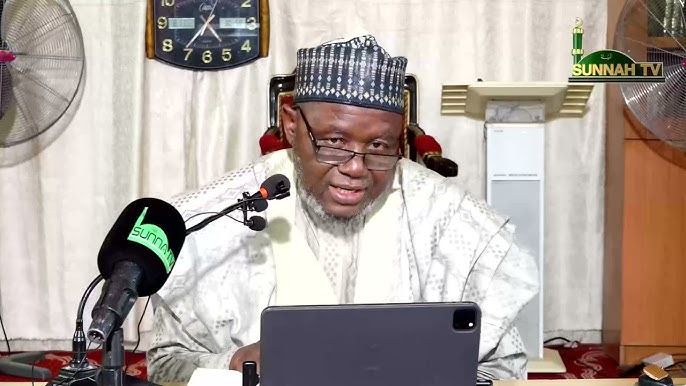
Nigeria’s rising national debt – it’s a topic that keeps resurfacing. Public affairs analyst Dr. Ibrahim Saleh recently put this into stark perspective, suggesting each Nigerian effectively owes roughly ₦660,000 if the debt were divided equally. A figure that raises eyebrows, for sure.
The sheer scale of national debt can feel abstract. Saleh’s point, framing it as individual burden, is a strategy to cut through the noise. It forces a necessary question: how does this impact ordinary Nigerians?
The calculation itself isn’t groundbreaking. What resonates is the reality check. Try telling a farmer in a rural village they’re liable for that amount. It underscores the disconnect between macroeconomic policy and the daily struggle for survival. It’s one thing to discuss billions in debt. It’s another to imagine individuals grappling with a sum beyond their reach.
This isn’t just about the numbers. It’s about accountability. Where have these borrowed funds gone? Are they fueling visible development, or disappearing into opaque projects? Transparency is paramount here. People deserve to witness tangible improvements that justify the growing debt.
Saleh correctly highlights the growing chasm between official narratives and the lived realities of citizens. The strain of escalating living costs, the persistent threat of insecurity, and the glaring inadequacies in social services – these factors amplify the weight of the debt burden. It begs the question: are we borrowing our way into prosperity, or deeper into distress?
Breaking down the debt like this shouldn’t incite panic. Instead, it should spark crucial conversations. Can Nigeria realistically sustain this level of borrowing? Are we prioritizing projects that deliver genuine, widespread benefits? Perhaps most importantly, how do we ensure future generations aren’t shackled by today’s financial decisions?
Debt sustainability in Nigeria is not simply an economic discussion. It’s a human one. The experience of those in rural communities, where the impact is felt most acutely, must shape the way forward. It’s a viewpoint policy makers often overlook.
Keywords: Nigeria debt crisis, national debt, debt per citizen, Nigeria economy, debt sustainability, economic development, government accountability, rural communities

![[post_title]](https://samony.com.ng/wp-content/uploads/2025/12/1764650543_Fans-React-To-Asakes-Heartfelt-Moment-With-Wizkid-At-Brooklyn-300x128.jpg?lm=692E6E32 "Fans React To Asake’s Heartfelt Moment With Wizkid At Brooklyn Concert")
![[post_title]](https://samony.com.ng/wp-content/uploads/2025/12/1764647868_Dont-settle-for-the-cheap-Amazon-smart-glasses-get-the-300x169.png?lm=692E63BF "Don’t settle for the cheap Amazon smart glasses, get the Meta Ray-Bans for Cyber Monday while you can")
![[post_title]](https://samony.com.ng/wp-content/uploads/2025/12/Babachir-Lawal-clashes-with-Atikus-loyalists-300x162.jpg?lm=692E6835 "Adamawa ADC Rift: Atiku’s Loyalists Clash with Babachir Lawal in Power Struggle")
![[post_title]](https://samony.com.ng/wp-content/uploads/2025/12/1764646393_Mum-catches-scabies-from-fox-who-watched-Netflix-on-her-300x158.jpg?lm=692E5DFC "Urban Wildlife: Scabies, Netflix, and Rising Health Risks")
![[post_title]](https://samony.com.ng/wp-content/uploads/2025/12/1764643949_5-Small-Towns-With-the-Best-Christmas-Spirit-That-Make-300x213.jpg?lm=692E5471 "5 Small Towns With the Best Christmas Spirit That Make Retirement More Cheerful")
![[post_title]](https://samony.com.ng/wp-content/uploads/2025/12/Hotos-slick-rechargeable-tools-are-still-over-60-percent-off-300x156.png?lm=692E54F2 "Hoto’s slick, rechargeable tools are still over 60 percent off for Cyber Monday")

![[post_title]](https://samony.com.ng/wp-content/uploads/2025/12/Matawalle-donates-N20m-to-Abuja-market-fire-victims.jpg?lm=692E6B3F "Matawalle donates N20m to Abuja market fire victims")
![[post_title]](https://samony.com.ng/wp-content/uploads/2025/12/1764650066_Ukraine-Russia-war-latest-Moscow-claims-biggest-victory-in-over-a-1024x683.jpeg?lm=692E6C61 "Ukraine-Russia Conflict: Shifting Landscape, Fragile Hopes")
![[post_title]](https://samony.com.ng/wp-content/uploads/2025/12/1764650543_Fans-React-To-Asakes-Heartfelt-Moment-With-Wizkid-At-Brooklyn-1024x435.jpg?lm=692E6E32 "Fans React To Asake’s Heartfelt Moment With Wizkid At Brooklyn Concert")
![[post_title]](https://samony.com.ng/wp-content/uploads/2025/12/1764647868_Dont-settle-for-the-cheap-Amazon-smart-glasses-get-the-1024x576.png?lm=692E63C0 "Don’t settle for the cheap Amazon smart glasses, get the Meta Ray-Bans for Cyber Monday while you can")
