

Nigeria’s Capital Market Gears Up for T+2 Settlement: A Critical Look
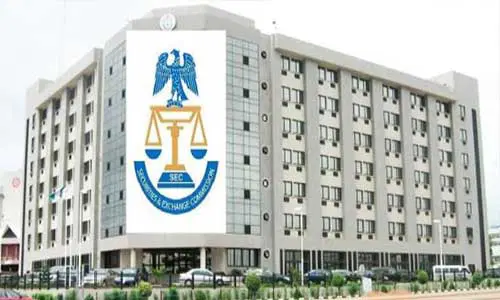
The Nigerian Securities and Exchange Commission (SEC) has declared that the capital market will move to a T+2 settlement cycle for equities trades, starting November 28, 2025. This shift, from the current T+3, intends to align Nigeria with international standards and boost market efficiency. The promise is quicker access to funds for investors, theoretically improving liquidity and lessening risk.
I’ve seen similar transitions unfold in other emerging markets. They often trumpet enhanced efficiency, but the real impact hinges on smooth execution. The SEC emphasizes months of preparation and stakeholder testing, with the Central Securities Clearing System (CSCS) supposedly ready. So far so good. Market participants claim no glitches in testing which inspires confidence.
Yet, skepticism remains. Will all brokers be truly ready on day one? Systemic issues can always unexpectedly surface.
The announcement specifies that trades executed on launch day, November 28th, will settle on December 2nd. This is key for traders planning around the transition. It’s worth noting that transactions before that date will settle under the old T+3 rules. This could create a brief overlap, a point market participants must understand to avoid confusion.
Lowering counterparty risk and bolstering liquidity are worthy goals. T+2 should accelerate the velocity of money within the market. Still, the devil’s always in the details. Successful adoption requires constant vigilance and quick problem-solving, especially in the initial weeks. This initiative should be monitored closely to validate these optimistic predictions. The change must yield tangible benefits for both retail and institutional investors. Let’s see if Nigeria’s capital market can pull this off flawlessly.
Keywords: Nigeria capital market, T2 settlement, Nigerian SEC, equities trades, market efficiency, investor liquidity, CSCS, counterparty risk

![[post_title]](https://samony.com.ng/wp-content/uploads/2025/12/1764650543_Fans-React-To-Asakes-Heartfelt-Moment-With-Wizkid-At-Brooklyn-300x128.jpg?lm=692E6E32 "Fans React To Asake’s Heartfelt Moment With Wizkid At Brooklyn Concert")
![[post_title]](https://samony.com.ng/wp-content/uploads/2025/12/1764647868_Dont-settle-for-the-cheap-Amazon-smart-glasses-get-the-300x169.png?lm=692E63BF "Don’t settle for the cheap Amazon smart glasses, get the Meta Ray-Bans for Cyber Monday while you can")
![[post_title]](https://samony.com.ng/wp-content/uploads/2025/12/Babachir-Lawal-clashes-with-Atikus-loyalists-300x162.jpg?lm=692E6835 "Adamawa ADC Rift: Atiku’s Loyalists Clash with Babachir Lawal in Power Struggle")
![[post_title]](https://samony.com.ng/wp-content/uploads/2025/12/1764646393_Mum-catches-scabies-from-fox-who-watched-Netflix-on-her-300x158.jpg?lm=692E5DFC "Urban Wildlife: Scabies, Netflix, and Rising Health Risks")
![[post_title]](https://samony.com.ng/wp-content/uploads/2025/12/1764643949_5-Small-Towns-With-the-Best-Christmas-Spirit-That-Make-300x213.jpg?lm=692E5471 "5 Small Towns With the Best Christmas Spirit That Make Retirement More Cheerful")
![[post_title]](https://samony.com.ng/wp-content/uploads/2025/12/Hotos-slick-rechargeable-tools-are-still-over-60-percent-off-300x156.png?lm=692E54F2 "Hoto’s slick, rechargeable tools are still over 60 percent off for Cyber Monday")

![[post_title]](https://samony.com.ng/wp-content/uploads/2025/12/Matawalle-donates-N20m-to-Abuja-market-fire-victims.jpg?lm=692E6B3F "Matawalle donates N20m to Abuja market fire victims")
![[post_title]](https://samony.com.ng/wp-content/uploads/2025/12/1764650066_Ukraine-Russia-war-latest-Moscow-claims-biggest-victory-in-over-a-1024x683.jpeg?lm=692E6C61 "Ukraine-Russia Conflict: Shifting Landscape, Fragile Hopes")
![[post_title]](https://samony.com.ng/wp-content/uploads/2025/12/1764650543_Fans-React-To-Asakes-Heartfelt-Moment-With-Wizkid-At-Brooklyn-1024x435.jpg?lm=692E6E32 "Fans React To Asake’s Heartfelt Moment With Wizkid At Brooklyn Concert")
![[post_title]](https://samony.com.ng/wp-content/uploads/2025/12/1764647868_Dont-settle-for-the-cheap-Amazon-smart-glasses-get-the-1024x576.png?lm=692E63C0 "Don’t settle for the cheap Amazon smart glasses, get the Meta Ray-Bans for Cyber Monday while you can")
