The long-awaited 60 Minutes CECOT segment update has finally arrived, bringing to light the controversial exposé on El Salvador’s brutal CECOT prison, nearly a month after CBS News editor-in-chief Bari Weiss made the extraordinary decision to initially pull the broadcast. This crucial segment, which aired recently, delves into serious accusations of human rights abuses within the maximum-security facility, reigniting debates about journalistic integrity and the complexities of reporting on sensitive international issues. The decision to air, following an internal network uproar and public scrutiny, underscores the significant pressure surrounding the story.
The segment meticulously details the harrowing conditions inside CECOT, a facility that has garnered international attention for its alleged systemic violations. Central to the report are exclusive interviews with two Venezuelan men who recount their torturous experiences after being deported to the prison by the Trump administration. These accounts paint a grim picture of suffering and injustice, highlighting the severe realities faced by detainees caught in the crossfire of geopolitical and immigration policies. The broadcast served as a powerful reminder of the human cost behind such policies.
What is the CECOT prison controversy? The controversy surrounding El Salvador’s CECOT prison involves allegations of severe human rights abuses, including torture and mistreatment, particularly against Venezuelan deportees sent there under a Trump administration policy, which was initially suppressed by CBS News editor Bari Weiss before eventually airing.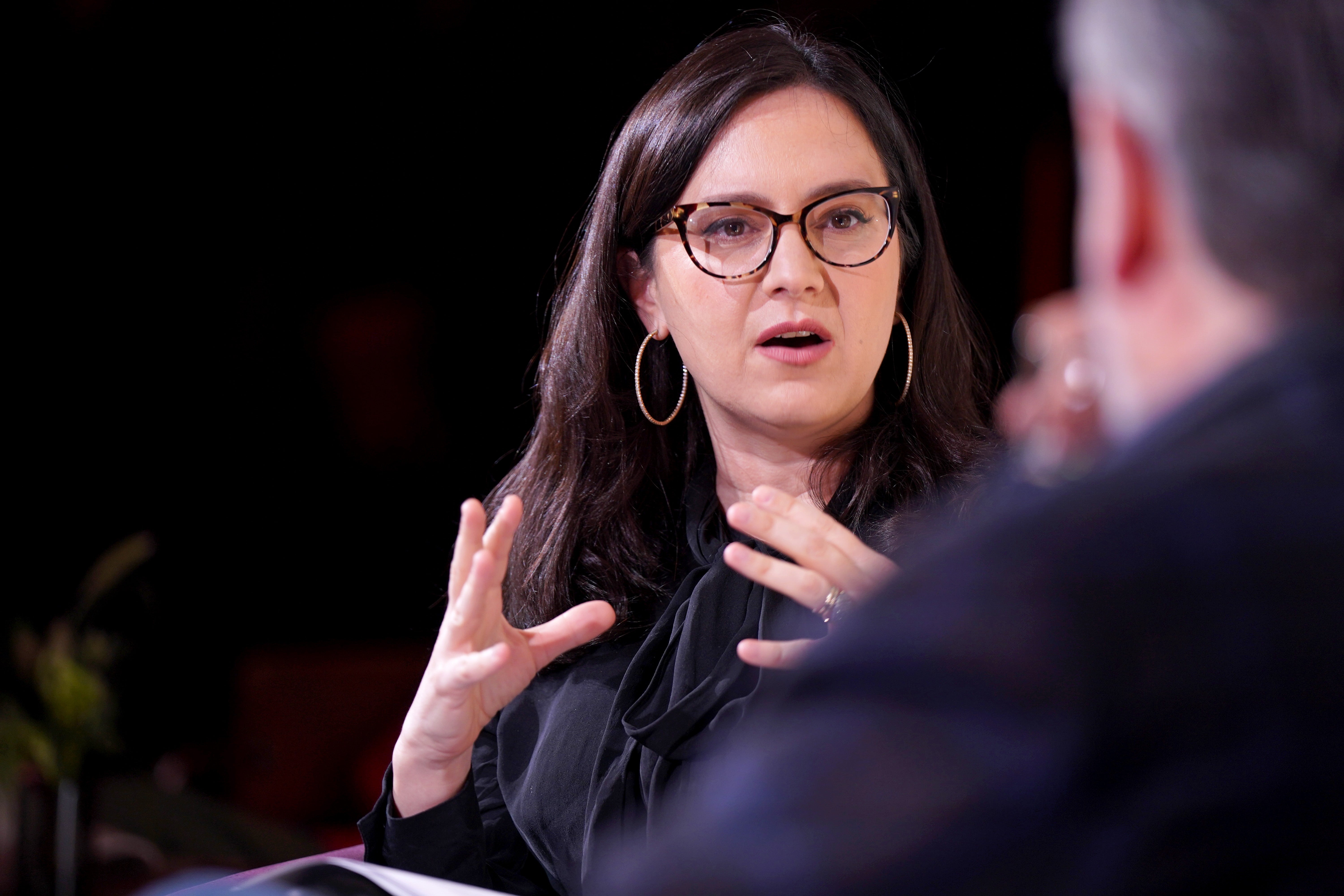
Bari Weiss, who assumed leadership at CBS News late last year, sparked significant internal dissent when she made a last-minute decision in December to hold the “Inside CECOT” segment. The self-described “radical centrist” and founder of The Free Press defended her actions in a Christmas Eve memo, asserting her mission to “win back” public trust by ensuring comprehensive and fair reporting, even if it meant delaying a piece that had already been fact-checked and reviewed by legal teams.
However, Weiss’s decision to withhold the segment drew fierce criticism from network staffers and external observers alike. Many accused her of attempting to curry favor with the Trump administration, especially given that the segment still aired without comments from Trump officials who had declined to participate. The incident rapidly became an example of the “Streisand effect,” where the attempt to suppress information inadvertently amplifies its reach and public interest.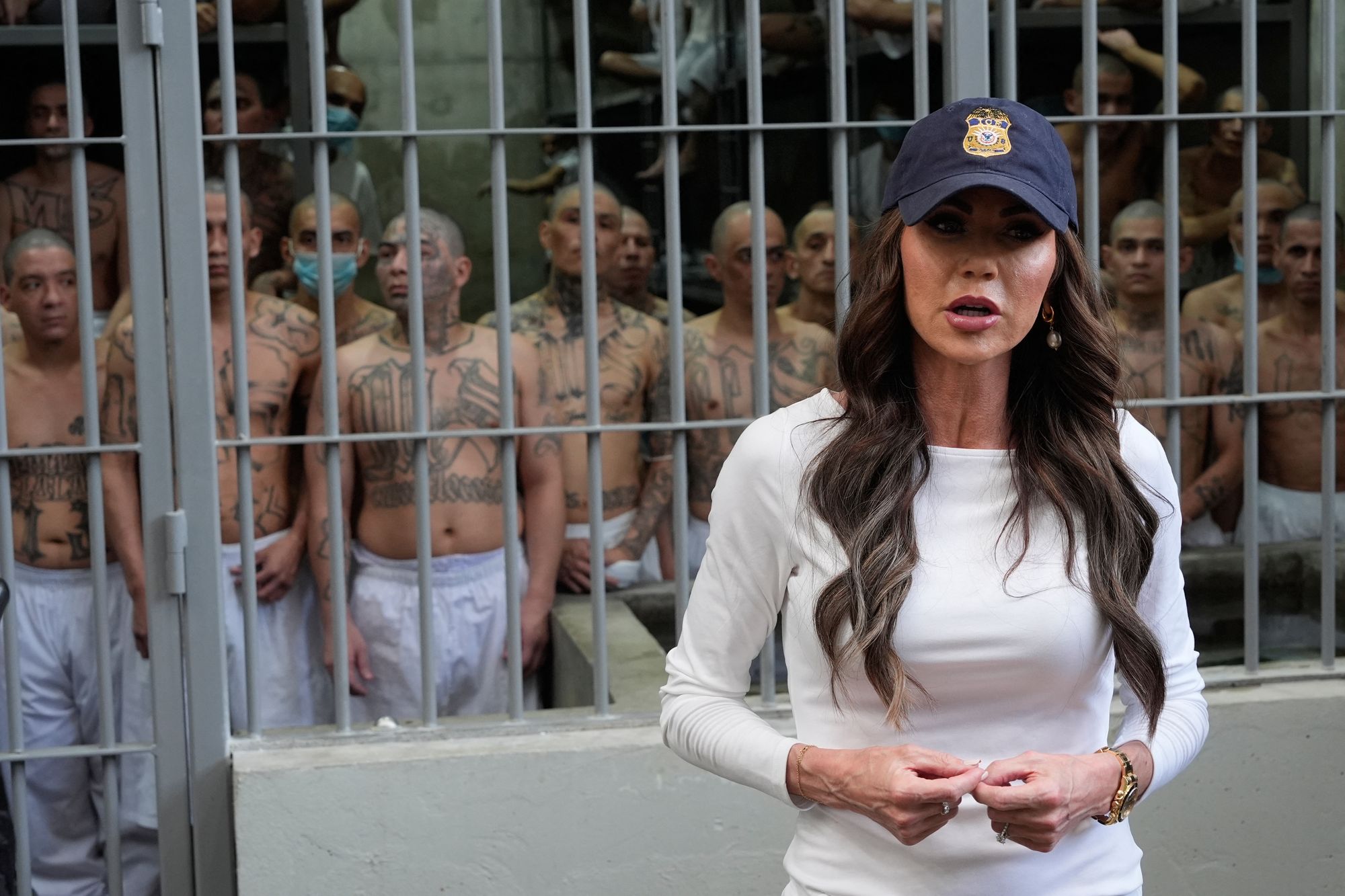
The segment also sheds light on the Trump administration’s invocation of the Alien Enemies Act, under which more than 200 Venezuelan men were deported to CECOT last year. This mass deportation occurred despite federal court orders blocking the flights, leading to months of detention for many before some were released as part of a U.S.-Venezuela prisoner swap. The legal and ethical implications of these actions form a critical component of the Trump deportation policy vs human rights debate.
Among those detained was Kilmar Abrego Garcia, a Salvadoran immigrant living in Maryland, whose case became a focal point of the legal battle. Government lawyers later admitted he had been wrongfully deported. Abrego Garcia was eventually returned to the U.S. but then faced a federal criminal indictment for smuggling undocumented migrants, allegations that only emerged after his removal. His ordeal underscores the complex and often arbitrary nature of deportation processes.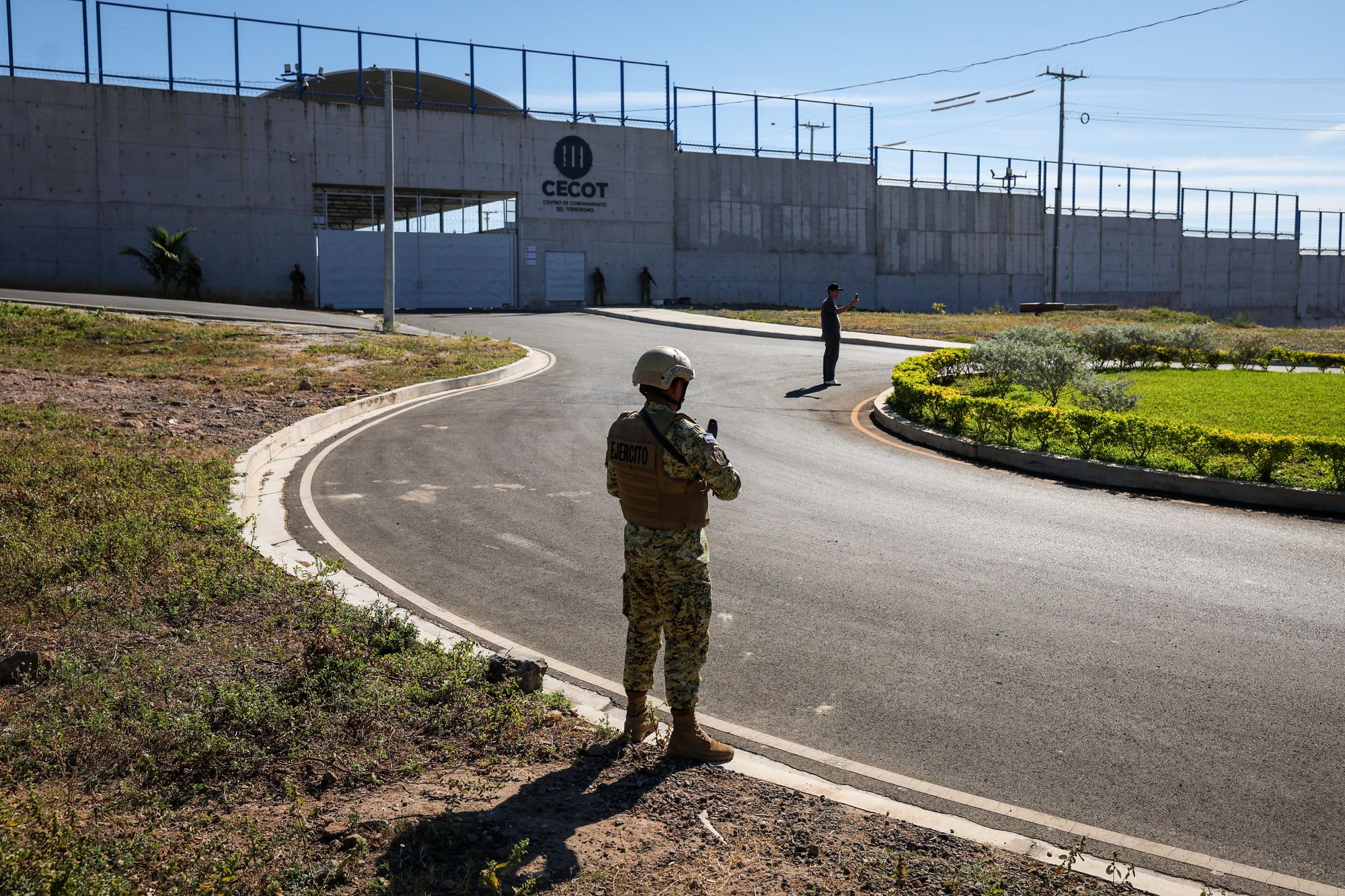
Lawyers representing Garcia and other detainees have detailed severe mistreatment and torture endured at CECOT. Their testimonies describe “severe beatings, severe sleep deprivation, inadequate nutrition, and psychological torture,” painting a stark picture of the prison environment. These accounts align with broader concerns about El Salvador prison conditions explained by human rights organizations globally, emphasizing the urgent need for transparency and accountability.
The airing of the 60 Minutes CECOT segment update not only highlighted the specific abuses in El Salvador but also ignited a broader conversation about the challenges facing investigative journalism in a polarized media landscape. The internal conflict at CBS News over editorial control, exemplified by the Bari Weiss editorial control vs journalistic independence dynamic, reflects the ongoing struggle to balance competing pressures and maintain public trust.
Ultimately, the segment’s eventual broadcast, despite initial attempts to suppress it, provides a vital 60 Minutes El Salvador prison guide to understanding the complex interplay of international relations, immigration policy, and human rights. It reinforces the critical role of independent reporting in exposing injustice and holding powerful entities accountable, ensuring that stories of profound human impact, like the CECOT prison human rights abuses explained, reach the public.