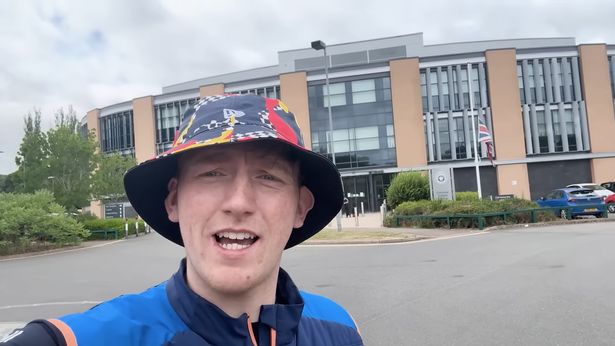
![[post_title]](https://samony.com.ng/wp-content/uploads/2025/11/Peggy-Ovire-fires-back-at-Taye-Arimoro-denies-all-allegations-1024x512.jpg?lm=69261785)
Nollywood Drama: Analyzing the Peggy Ovire-Taye Arimoro Clash and its Industry Implications
The unfolding drama between Nollywood actress Peggy Ovire and her colleague, Taye Arimoro, feels like more than just a celebrity squabble. A ₦100 million lawsuit, accusations of assault, and conflicting narratives playing out in the media – it raises some interesting questions about the state of the Nigerian film industry and its handling of conflict.
At its core, we have Arimoro alleging assault by Ovire on set, a claim she vehemently denies, countering with accusations of his own aggressive behavior towards her crew. Viral videos and legal filings only muddy the waters further, leaving the public to piece together a narrative from incomplete information. CCTV footage shows Peggy appearing to engage first, but her team insists she only pushed him after he allegedly tried to deflate her car tires. It’s a classic “he said, she said” situation, amplified by social media and the inherent drama of the entertainment world. >
>
But let’s step back. These kinds of disputes are not entirely unusual in creative industries. High-pressure environments, long hours, and the clash of egos can create a breeding ground for conflict. What is notable here is the speed at which this spilled into the public sphere and escalated into a full-blown legal battle.
One has to wonder about the internal conflict resolution mechanisms (or lack thereof) within Nollywood productions. Is there a clear process for addressing disagreements on set? Are there neutral parties available to mediate disputes before they escalate? The fact that this disagreement ended up in court suggests a systemic failure to manage conflict effectively.
It’s worth noting that Nollywood is a rapidly growing industry, experiencing significant changes in terms of funding, production quality, and international recognition. But rapid growth often outpaces the development of robust infrastructure, including things like HR policies and standardized on-set protocols. This legal battle may expose some vulnerabilities in the industry’s operational framework.>
This challenge of professionalizing a fast-paced, creative environment isn’t new. I’ve seen similar growing pains in other emerging creative sectors. As Nollywood matures, it will likely need to adopt more formalized structures to protect its talent, maintain professionalism, and mitigate the risk of costly legal battles.
Given these facts, the accusations and counter-accusations in this case demand a deeper look into on-set conduct expectations. Do actors and crew members fully understand what constitutes acceptable behavior? Is there a clear understanding of the consequences of crossing the line? Perhaps more importantly, are there adequate mechanisms for reporting and addressing violations?
Consider the potential impact of this case on Nollywood’s image. A protracted legal battle, filled with allegations of assault and unprofessional behavior, could tarnish the industry’s reputation, particularly as it seeks to attract international investment and collaborations. Investors are risk-averse, and high-profile disputes can raise red flags about the stability and maturity of the industry.
To that end, a proactive response from Nollywood stakeholders seems crucial. This could involve the establishment of clear ethical guidelines, the implementation of mandatory training programs on conflict resolution and professional conduct, and the creation of an independent body to investigate and adjudicate disputes within the industry.
It’s tempting to speculate on the motivations behind the lawsuit and the media frenzy surrounding it. Is this a genuine attempt to seek justice for an alleged wrong? Or is it a calculated move to gain publicity and advance one’s career? The truth likely lies somewhere in the middle. In any case, the outcome of this case will likely set a precedent for future disputes within the industry.
This incident raises questions about the role of social media in fueling conflicts. The viral video and the online commentary surrounding the case have undoubtedly amplified the drama and added pressure on both parties. While social media can be a powerful tool for raising awareness and holding people accountable, it can also contribute to the spread of misinformation and the escalation of conflict.
Still, it’s easy to criticize from the sidelines. The pressures of filmmaking, the intensity of creative collaboration, and the constant scrutiny of the public eye can take a toll on individuals. It’s important to remember that behind the headlines and the legal filings are real people with real emotions.
Yet, focusing solely on the personal drama misses the bigger picture. This Ovire-Arimoro clash serves as a wake-up call for Nollywood. It’s a reminder that rapid growth demands a commitment to professionalization, ethical conduct, and effective conflict resolution. The industry must act decisively to address these challenges if it hopes to maintain its upward trajectory and solidify its position on the global stage. Perhaps this public airing of grievances, however messy, will ultimately force positive change within Nollywood. Only time will tell.


![[post_title]](https://samony.com.ng/wp-content/uploads/2025/12/1764794476_After-nearly-30-years-Crucial-will-stop-selling-RAM-to-300x180.jpg?lm=6930A071 "DIY Nightmare? Crucial’s Shock Exit Signals RAM Price Hikes Ahead")
![[post_title]](https://samony.com.ng/wp-content/uploads/2025/12/1764789509_Triunfo-descomunal-del-Barca-en-un-Spotify-Camp-Nou-colosal-300x169.jpeg?lm=69308D08 "Football’s Fluidity: Barcelona vs Atletico")
![[post_title]](https://samony.com.ng/wp-content/uploads/2025/12/1764789516_You-came-out-of-nowhere-Lady-shares-encounter-with-2baba-300x157.jpg?lm=69308D0F "Navigating Fame, Love, and Loyalty: Hard Truths from a Life Inside Celebrity Relationships")

![[post_title]](https://samony.com.ng/wp-content/uploads/2025/12/1764794875_Ukraine-war-Drone-footage-shows-heavily-bombed-city-of-Myrnohrad-as-1024x683.jpg?lm=6930A200 "Myrnohrad’s Fall: Deciphering Attrition Warfare’s Human Cost Through Drone Intel")
![[post_title]](https://samony.com.ng/wp-content/uploads/2025/12/Parents-cancer-patients-say-lack-of-proton-therapy-in-Australia.jpeg?lm=6930A264 "Australia’s Proton Therapy Delay: A Cancer Treatment Gap Hurts Families")