


Analyzing Nigeria’s Sports Reform: A Critical Look
Nigeria’s sports sector is undergoing what appears to be a significant overhaul. Mallam Shehu Dikko, Chairman of the National Sports Commission (NSC), recently declared a new era marked by transparency and accountability. He states that a dedicated team is compiling a comprehensive policy paper to address pressing sporting issues, born out of the stakeholder dialogue. This isn’t the first time we’ve heard ambitious pronouncements about reforming Nigerian sports. What makes this time different, if anything?
Dikko emphasized that this policy paper will be accessible to both the government and the public, a departure from past practices where such documents often languished in bureaucratic obscurity. The claim is that public scrutiny is a key element in ensuring accountability. It’s a compelling idea. Will that solve decades-old problems? Perhaps, but the devil, as always, is in the details. >
>
The NSC envisions this document as a benchmark for progress, with annual reviews to gauge improvements. Dikko points to other successful sporting nations, highlighting their constant audits and honest assessment of failures. This comparison is apt. Many countries utilize data-driven approaches to improve their sports performance.
However, the success of such initiatives hinges on several factors. One, the accuracy and comprehensiveness of the policy paper itself. Does it truly capture the core issues plaguing Nigerian sports? Two, the government’s willingness to implement the recommended solutions. Political will can often be a stumbling block, no matter how well-intentioned the plan. Three, the ability to hold individuals and institutions accountable for their actions. Without consequences for non-compliance, the policy paper risks becoming another well-intentioned but ultimately ineffective document.
Looking at the specific points Dikko raised, the emphasis on transparency is encouraging. Transparency allows for public discourse and helps to identify areas of corruption or mismanagement. Exposing problems is the first step to fixing them.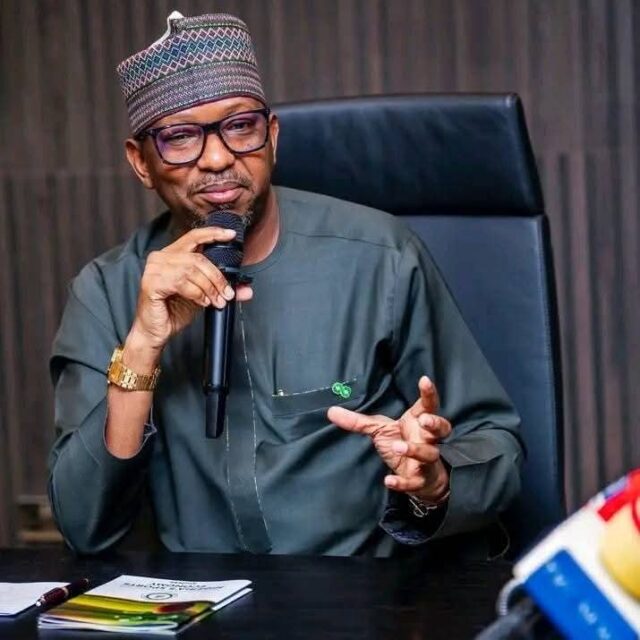 >
>
But, let’s be honest, Nigeria has a history of producing excellent plans that fail to materialize. The problem isn’t usually the lack of ideas, but rather the execution. Issues like inadequate funding, poor infrastructure, and a lack of skilled personnel have consistently undermined even the best-laid strategies. The policy paper needs to outline concrete steps to address these systemic challenges.
Consider the claim that Nigeria will build progress “deliberately, transparently, and together.” It’s a catchy phrase, but what does it truly mean in practice? How will the NSC ensure that all stakeholders are genuinely involved in the process? The sports sector encompasses a wide range of actors, from athletes and coaches to administrators and sponsors. Their input must be considered.
The stakeholder dialogue, which birthed this policy paper, is a step in the right direction. However, it’s vital to ensure that the dialogue doesn’t devolve into a mere talking shop. The recommendations must be actionable, and the implementation process needs to be carefully monitored.
It’s worth noting that the article references Olopade defending Nigeria’s World Cup effort, despite its failure. This illustrates a common theme: a tendency to focus on superficial achievements while glossing over deeper structural problems. The new policy paper must avoid this pitfall and address the root causes of Nigeria’s sporting struggles.
While Dikko’s statement is optimistic, a healthy dose of skepticism is warranted. Past reform efforts have often fallen short of their goals. For this new initiative to succeed, it needs to be backed by tangible actions, consistent monitoring, and a genuine commitment to change. A paper alone will not change the trajectory. Sustained action will.

![[post_title]](https://samony.com.ng/wp-content/uploads/2025/12/1764947902_Im-A-Celebs-Ruby-Wax-throws-drink-on-ITV-set-300x158.jpg?lm=6932F7C1 "Reality TV’s Evolution: “I’m A Celebrity” and the Quest for Authenticity.")

![[post_title]](https://samony.com.ng/wp-content/uploads/2025/12/Caesar-launches-crypto-tax-rail-as-Nigerias-92bn-market-faces-300x171.png?lm=6932F6D9 "Nigeria’s Crypto Tax: Caesar’s Compliance Gambit")
![[post_title]](https://samony.com.ng/wp-content/uploads/2025/12/1764942368_I-burst-cry-Doctor-cries-out-over-tax-deduction-300x157.jpg?lm=6932E223 "Nigeria’s 2026 Tax Reforms: A Bitter Pill for Some?")

![[post_title]](https://samony.com.ng/wp-content/uploads/2025/12/1764947782_Trump-hires-a-new-architect-for-his-300M-White-House-1024x683.jpeg?lm=6932F74B "Decoding Trump’s White House Ballroom: Design, Donations, and the Soul of American Power")
![[post_title]](https://samony.com.ng/wp-content/uploads/2025/12/Chinese-Expatriate-Flees-Nigeria-After-Release-From-Kidnappers-Den.jpg?lm=6932F799 "Nigeria: Kidnapping, Investment, and Expatriate Risk")
![[post_title]](https://samony.com.ng/wp-content/uploads/2025/12/1764947902_Im-A-Celebs-Ruby-Wax-throws-drink-on-ITV-set-1024x538.jpg?lm=6932F7C1 "Reality TV’s Evolution: “I’m A Celebrity” and the Quest for Authenticity.")
