

D’Tigers’ World Cup Qualifier Losses: A Deeper Look at Nigerian Basketball’s Challenges
Nigerian basketball is facing some headwinds. The recent losses by D’Tigers, Nigeria’s national men’s basketball team, in the World Cup qualifiers raise serious questions. The defeat against Guinea, especially, stings. It prompts a reassessment of where Nigerian basketball currently sits on the global stage.
On paper, Nigeria should have dominated. Past encounters favored D’Tigers, and the team boasts a more impressive history in major tournaments. They’ve showcased their talent at the Olympics and World Cups. They’ve also earned medals in African competitions. Guinea, comparatively, lacks that level of experience and success. So, what happened?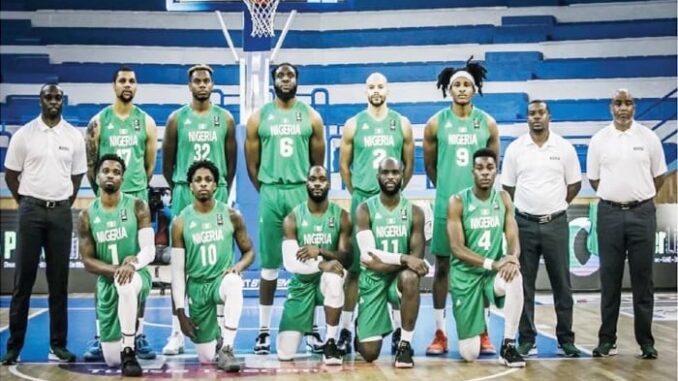 >
>
It’s tempting to write off these defeats as mere upsets, isolated incidents in a long qualification process. Yet, I suspect there’s more beneath the surface. Examining the box scores, Guinea seems to have simply outhustled Nigeria. They dominated the boards and converted more of their opportunities. Sometimes, it boils down to desire and execution on a given day.
Still, this outcome invites us to look at how basketball is managed and developed in Nigeria. Are we investing enough in grassroots programs to cultivate talent? Do our players have access to the resources and training they need to compete at the highest levels? Are the right structures and support systems in place? These are crucial questions that need careful examination.
Now, consider this. The article points out Guinea significantly improved after being “in the basketball coolers” for 16 years. What did they change? It’s unlikely they suddenly discovered a secret formula. Most likely, a focused effort targeting player development and strategic planning fueled their progress.>
That said, let’s not jump to conclusions. Nigeria’s basketball scene certainly possesses significant strengths. The passion for the game is undeniable, and there’s a wealth of raw athleticism. Numerous Nigerian players have also found success in professional leagues worldwide, demonstrating the country’s potential. But potential alone isn’t enough. It requires nurturing.
The article mentions D’Tigers lost to Tunisia after extra time. That suggests the team is competitive but perhaps lacks the killer instinct or stamina to close out tight games. This hints at areas that need improvement: physical conditioning, tactical adjustments, and mental fortitude.
It’s also important to avoid comparing apples and oranges. The “Super Eagles” (Nigeria’s football team) failing to qualify for the 2026 World Cup isn’t necessarily indicative of a broader decline in Nigerian sports. Each sport has its own unique set of challenges and dynamics. Still, these setbacks can affect national morale and raise questions about the overall management of sports in the country.
One might ask, what specific changes can be implemented to turn things around? Improving the quality of coaching at all levels is paramount. Investing in modern training facilities and equipment is crucial. Creating more opportunities for young players to gain experience through domestic leagues and international competitions is also essential.
Let’s remember the positives. Nigeria’s past achievements in basketball prove the nation can compete with the best. The talent pool is there. What’s needed is a renewed commitment to developing that talent and creating a sustainable system for success.
It’s worth considering the impact of administrative issues on the team’s performance. Internal conflicts and lack of funding can disrupt preparations and demoralize players. Addressing these issues transparently is vital for regaining stability and focus.
To that end, Nigeria faces Rwanda in their next game. A win is crucial, not just for qualification purposes, but also for restoring confidence and momentum. It will require a focused and determined effort from the players and coaching staff.
The upcoming games against Tunisia, Guinea, and Rwanda next July present another opportunity. Nigeria must use these matches to experiment with different strategies, identify areas for improvement, and build a cohesive team that can compete consistently.
Looking ahead, Nigeria’s basketball future hinges on its ability to learn from these setbacks, address its weaknesses, and capitalize on its strengths. A strategic and coordinated approach, with a focus on long-term development, is necessary to realize its full potential. This isn’t just about winning games; it’s about building a sustainable basketball culture that inspires future generations.
It’s a tall order, but not insurmountable. With the right vision and commitment, Nigerian basketball can once again rise to prominence. We’ve seen similar turnarounds before. It takes hard work, honest self-assessment, and a willingness to adapt. The journey back to the top may be arduous, but it’s a journey worth undertaking.

![[post_title]](https://samony.com.ng/wp-content/uploads/2025/11/1764441401_Nigerian-Gospel-Singer-Gaise-Baba-Announces-Fathers-Passing-300x228.jpeg?lm=692B3D3A "Gaise Baba’s Loss: Grief, Legacy, and Community in Nigeria")
![[post_title]](https://samony.com.ng/wp-content/uploads/2025/11/The-Super-Mario-Galaxy-bundle-for-the-Switch-is-still-300x157.png?lm=692B3D8D "Nintendo’s Super Mario Galaxy Switch Deal: A Sign of Things to Come?")
![[post_title]](https://samony.com.ng/wp-content/uploads/2025/11/1764441676_Line-of-Duty-star-warns-twisted-scammer-is-impersonating-her-300x158.jpg?lm=692B3E4D "Vicky McClure Scam: Charity Fraud Exploits Celebrity Trust")
![[post_title]](https://samony.com.ng/wp-content/uploads/2025/11/Tinubu-Nominates-Ex-INEC-Chair-Fani-Kayode-30-Others-As-Ambassadors-300x169.jpg?lm=692B3EE5 "Nigeria’s Ambassadorial Nominees: Who Made Tinubu’s List?")
![[post_title]](https://samony.com.ng/wp-content/uploads/2025/11/Preview-Levante-vs-Athletic-Bilbao-prediction-team-news-lineups.net2Fuploads2F20252F092Fimago1065906273-300x171.webp?lm=692B3A8A "Levante vs. Bilbao: Relegation Desperation Meets Bilbao’s Injury Crisis – Gonna Be Tense!")

![[post_title]](https://samony.com.ng/wp-content/uploads/2025/11/1764442015_Dyson-airwrap-crashes-to-lowest-ever-price-for-Black-Friday-1024x683.png?lm=692B3FA5 "Dyson Airwrap Black Friday Deal: Hype vs. Reality")
![[post_title]](https://samony.com.ng/wp-content/uploads/2025/11/1764441401_Nigerian-Gospel-Singer-Gaise-Baba-Announces-Fathers-Passing.jpeg?lm=692B3D39 "Gaise Baba’s Loss: Grief, Legacy, and Community in Nigeria")
