

![[post_title]](https://samony.com.ng/wp-content/uploads/2025/11/1764185704_Call-The-Midwifes-boss-snubs-big-cash-deals-to-make-1024x538.jpg?lm=6927566A)
Call the Midwife’s Creator Turns Down Streaming Deals: A Look at Industry Values
The creator of “Call the Midwife,” Heidi Thomas, recently declined lucrative offers from streaming giants, opting to remain with the BBC. It raises some interesting questions about the shifting landscape of television production and what creatives value beyond just the bottom line.
Streaming services certainly wave a lot of money around these days. The allure of bigger budgets and potentially wider audiences is hard to ignore. Yet, Thomas’s decision highlights a deeper current: the enduring appeal of public service broadcasting and its potential to cultivate a unique creative environment.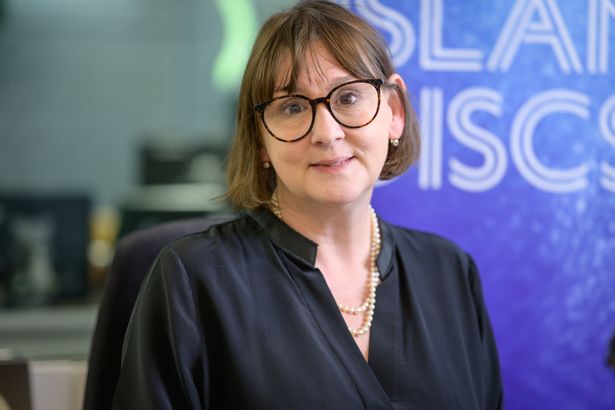 >
>
She acknowledges the constant stream of opportunities from platforms like Netflix and Disney+. However, she prizes her existing relationship with the BBC. For her, it seems, “Call the Midwife” is more than just a job.
Having worked in the television industry for a while, I’ve observed similar choices before. Sometimes, the pursuit of pure profit can overshadow artistic vision and collaborative spirit. Maybe the perceived creative freedom isn’t worth it.
Thomas expresses concern that shows on streamers can be fleeting, comparing them to fireworks that quickly fade away. She seems to value the BBC’s consistent platform and the enduring impact of its programming. It’s an interesting counterpoint to the current narrative that streaming is the only path to success.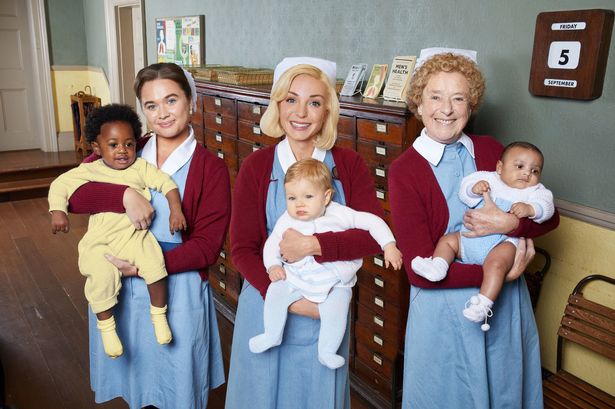 >
>
It’s worth noting that “Call the Midwife” operates on a tighter budget compared to many streaming productions. However, Thomas argues that these limitations actually foster creativity and resourcefulness. Scarcity breeds ingenuity, forcing the team to be more thoughtful and deliberate in their choices. It’s a perspective often overlooked in the race for bigger and flashier productions.
This suggests a key tension in the industry right now: the battle between quantity and quality, between immediate gratification and lasting impact. Streamers often prioritize churning out content to keep subscribers engaged, while public broadcasters like the BBC can, at their best, prioritize programs with cultural significance and enduring appeal.
Of course, the BBC isn’t without its challenges. It faces increasing competition for funding and viewership, and there’s always pressure to stay relevant in a rapidly changing media environment. Still, decisions like Thomas’s suggest a continued belief in the BBC’s core values and its ability to offer a worthwhile creative home.
It makes you wonder if we’re entering a phase where some creators, at least, are becoming more discerning about where they lend their talents. The initial gold rush of streaming might be giving way to a more nuanced understanding of the trade-offs involved.
Perhaps what Thomas is getting at is that a show’s success isn’t just about budget, but the values that underpin the production. The ability to explore meaningful themes and connect with a broad audience can be just as rewarding, if not more so, than a hefty paycheck.
“Call the Midwife” has consistently tackled important social issues within its historical setting, resonating with a diverse audience. This kind of programming aligns with the BBC’s public service mandate and likely contributes to Thomas’s loyalty.
In any case, Thomas is betting on longevity. She is committed to the BBC, seeing “Call the Midwife” as her “job of a lifetime.” Time will tell if this decision pays off in the long run, but it certainly offers a compelling alternative narrative to the dominance of streaming.
The landscape is shifting, and these decisions, seemingly small on the surface, say a lot about the broader currents at play. Thomas’s choice should prompt reflection on the values we prioritize in the entertainment industry and the kinds of content we want to see thrive.
Moreover, this challenges the notion that money is the sole driver for creatives. Factors like creative control, platform stability, and the ability to produce meaningful work hold significant sway.
The streaming model, while offering unparalleled reach, might not always align with these values. The pressure to generate constant content and chase trending topics can sometimes compromise artistic integrity and long-term impact.
It is refreshing to see a creator like Heidi Thomas stand firm in her belief in the BBC. In an industry obsessed with disruption and innovation, her decision serves as a reminder of the enduring value of tradition, purpose, and a commitment to quality. It is a strong statement about the kind of television we should all be striving to create.



![[post_title]](https://samony.com.ng/wp-content/uploads/2025/12/4-Reasons-Tomatoes-Can-Upset-Your-Stomach-300x169.jpg?lm=6930DA5E "Decoding Tomato Troubles: A Gut-Level Guide to Digestive Harmony")
![[post_title]](https://samony.com.ng/wp-content/uploads/2025/12/NGX-Deepens-Market-Offerings-With-Commercial-Paper-Listings-300x212.png?lm=6930DAA8 "Nigeria’s Risky Bet: Will NGX’s New Debt Play Actually Pay Off?")
![[post_title]](https://samony.com.ng/wp-content/uploads/2025/12/1764809392_Nato-hits-back-at-Putins-threat-of-war-in-Europe-300x200.jpeg?lm=6930DAB4 "Geopolitics on Edge: Is Wider European Conflict a Rising Threat?")
![[post_title]](https://samony.com.ng/wp-content/uploads/2025/12/Senate-summons-finance-education-ministers-over-collapse-of-30m-Safe-300x200.jpeg?lm=6930DB39 "$44 Million for Safe Schools: Where Did It Go?")

![[post_title]](https://samony.com.ng/wp-content/uploads/2025/12/Neymar-vai-para-o-jogo-Santos-divulga-lista-de-relacionados-1024x682.jpg?lm=6930E22A "Neymar’s Shadow: Santos’ Survival Hinges on More Than Just a Legend’s Presence")
![[post_title]](https://samony.com.ng/wp-content/uploads/2025/12/Burna-Boy-Offers-to-Pay-Burial-Costs-for-Children-Killed.jpg?lm=6930DBD8 "Burna Boy Offers Funeral Support After Stockton Shooting")
