

![[post_title]](https://samony.com.ng/wp-content/uploads/2025/11/1764107724_Katie-Prices-ex-Alex-Reid-rushed-to-hospital-as-he-1024x538.jpg?lm=692625CE)
Alex Reid’s Hospitalization: A Critical Look at Combat Sports and Health
Alex Reid, the martial artist once married to Katie Price, recently found himself in hospital, sparking concerns about his health. He’s undergoing tests to check for potential brain bleeds, a situation which shines a light on a bigger, often glossed-over issue within combat sports.
Reid himself raised concerns about the long-term health implications. He referenced the accumulation of blows sustained over his career. He urges younger athletes to train smarter, emphasizing protective gear. This call for caution feels earned, not simply researched. After all, he’s lived it.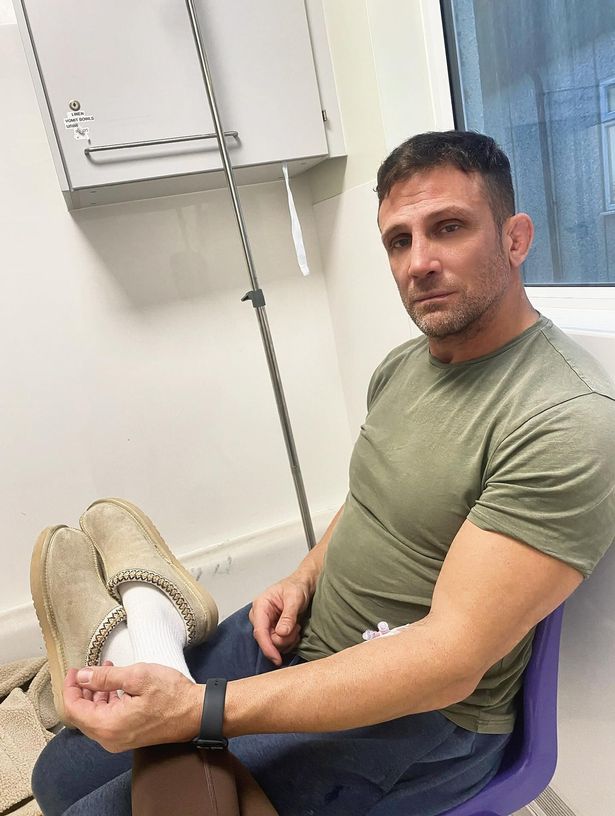 >
>
Yet, it’s not that straightforward. Combat sports have seen advances in training methodologies and safety protocols. We’ve seen changes regarding concussion management and the overall understanding of head trauma. Still, the inherent risk remains. This challenge is balancing the thrill of competition with the long-term well-being of athletes.
Now, let’s consider the information ecosystem surrounding these stories. News outlets, understandably, focus on the dramatic angle: celebrity connections, medical emergencies. This can overshadow the crucial discussion about preventative measures and responsible training. It is important we acknowledge the media’s role in sensationalizing stories for engagement.
It’s worth noting Reid’s specific concerns. He speaks of balance issues and feeling “punch drunk,” a feeling often dismissed until something serious occurs. These are subtle indicators of potential neurological issues. Too often, athletes push through these symptoms. A culture shift is needed, one where athletes are not only encouraged but actively supported in prioritizing their health over short-term gains.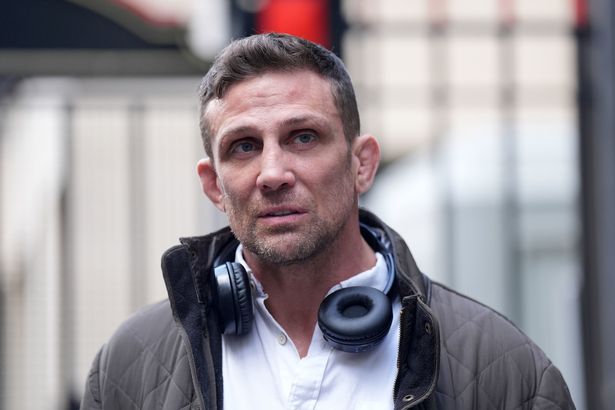 >
>
Given these facts, how do we foster this shift? It starts with better education at all levels. Coaches, promoters, and athletes need to be informed about the risks. Making protective gear usage compulsory. Developing a safety-first mindset from the outset.
These injuries in combat sports are complex because they often involve repetitive, sub-concussive blows that slowly erode brain function over time. It isn’t always the knockout punch that does the most damage. The accumulation can lead to chronic traumatic encephalopathy (CTE) and other neurological disorders. It’s not just about preventing immediate injury. It’s about preserving cognitive health for the long haul.
Also, we must recognize the financial pressures on athletes. Many fighters, especially those early in their careers, may feel pressured to compete even when injured. Earning potential outweighs health considerations. A solution needs to tackle these economic realities. Perhaps through better insurance options and more robust support systems.
To that end, organizations have begun developing baseline testing. This measures cognitive function before the start of an athlete’s career. It is useful in detecting subtle changes after injuries. It’s a step in the right direction. Yet, widespread adoption remains a hurdle.
Still, progress is slow, and resistance exists. There’s a certain machismo ingrained in the culture of combat sports. This encourages athletes to tough it out and downplay injuries. Overcoming this mentality is crucial. It requires leaders within the sport to champion a new vision. It requires a change where seeking help is a sign of strength, not weakness.
Anecdotally, I’ve seen this firsthand. The reluctance to admit pain, the pressure to perform, the glorification of pushing limits. The culture rewards those who ignore their bodies’ signals. This needs to change.
Looking ahead, we need to support research into the long-term effects of combat sports. We need to innovate protective gear. We need to implement standardized safety protocols across all organizations.
In any case, Alex Reid’s situation serves as a reminder. The world of combat sports holds inherent risks. We must prioritize athlete safety, promote responsible training, and challenge the cultural norms that often place winning above well-being. His experience could serve as a wake-up call for fighters, promoters, and fans alike. It must push all stakeholders toward a future where the health of athletes is truly valued.

![[post_title]](https://samony.com.ng/wp-content/uploads/2025/12/1764747077_Over-15-years-Man-visits-secondary-school-to-check.jpg "Planting Seeds of Purpose: How Early Climate Action Shapes Lifelong Commitment")
![[post_title]](https://samony.com.ng/wp-content/uploads/2025/12/Warriors-sign-Seth-Curry-for-remainder-of-season.jpeg "Warriors sign Seth Curry for remainder of season")
![[post_title]](https://samony.com.ng/wp-content/uploads/2025/12/1764745476_Ukraine-Russia-war-latest-Trump-envoys-fail-to-secure-peace-deal.jpeg "Ukraine-Russia war latest: Trump envoys fail to secure peace deal after Putin tells Europe he’s ready for war")
![[post_title]](https://samony.com.ng/wp-content/uploads/2025/12/1764744909_FG-Deploys-240-Solar-Powered-E-Tricycles-To-12-Universities.jpg "FG Deploys 240 Solar Powered E- Tricycles To 12 Universities :")
![[post_title]](https://samony.com.ng/wp-content/uploads/2025/12/1764744691_2027-Nasarawa-APC-governorship-aspirant-vows-to-prioritise-power-agriculture-if.jpg "2027: Nasarawa APC governorship aspirant vows to prioritise power, agriculture if…")

![[post_title]](https://samony.com.ng/wp-content/uploads/2025/12/1764752038_Gary-Lineker-to-appear-on-Netflix-in-2026-World-Cup-1024x690.jpg?lm=692FFAA9 "Netflix’s “The Rest Is Football” World Cup Gamble: Genius Move or Epic Fail?")
![[post_title]](https://samony.com.ng/wp-content/uploads/2025/12/The-young-man-involved-in-the-attempted-Christmas-Day-bombing.jpeg "Nigerian Terrorism: Ideology’s Grip on Affluent Minds")
