

![[post_title]](https://samony.com.ng/wp-content/uploads/2025/11/1764008019_MotoGP-could-use-F1s-street-circuits-says-CEO-1024x682.jpg?lm=6924A056)
MotoGP on City Streets? A Critical Look at Industry Shifts
The buzz around Liberty Media’s acquisition of Dorna Sports, MotoGP’s promoter, hasn’t died down. Could we soon see MotoGP races weaving through city streets, mirroring Formula 1’s recent strategy? Carmelo Ezpeleta, Dorna’s CEO, seems cautiously open to the idea. He cited the Mandalika circuit in Indonesia as an example, noting its “urban” nature. Yet, safety remains the paramount concern.
The lure of street circuits is obvious: spectacle. F1’s embrace of venues like Las Vegas and Miami clearly demonstrates the appeal of bringing racing to the heart of major cities. It’s about entertainment, drawing a broader audience and boosting revenue streams. This is Formula 1 evolving into a Super Bowl-esque event.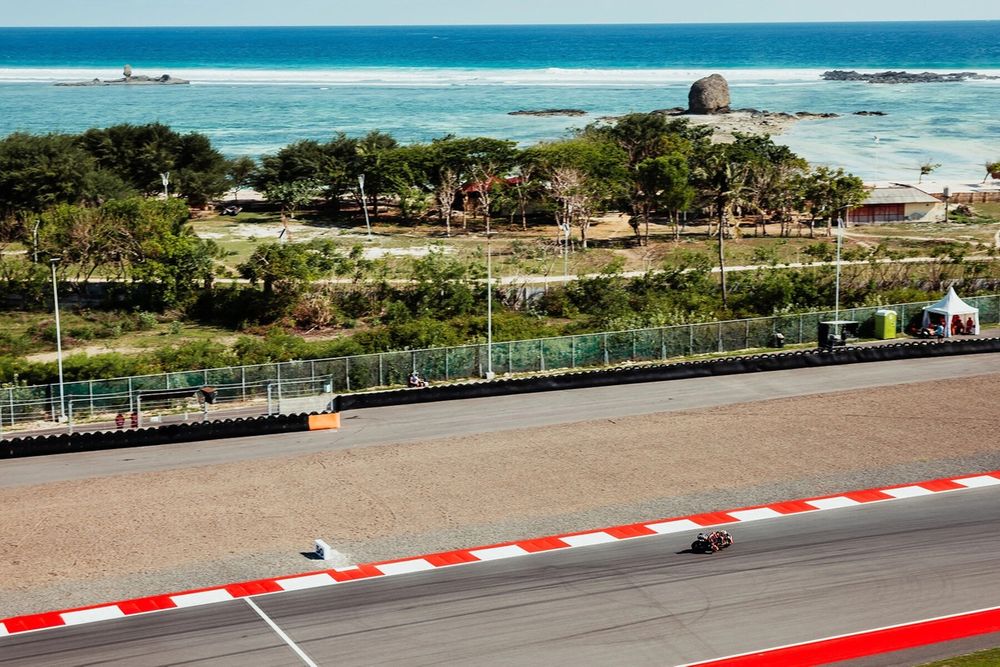 >
>
Still, the differences between F1 and MotoGP are considerable. Cars and bikes behave differently, and the required safety measures vary greatly. A Formula 1 car crash usually involves the driver walking away. Motorcycle crashes at the same speeds rarely end the same way. MotoGP demands significant run-off areas, a challenge in dense urban environments. Ezpeleta acknowledges this hurdle, emphasizing that rider safety remains non-negotiable.
The question lingers: Can safety concerns be adequately addressed to make street circuits viable for MotoGP? It’s not just about slapping some barriers on existing roads. It requires significant modifications, potentially impacting the very character of the street circuit. Are compromises worth it? The answer may not be as straightforward as it looks.
Consider the existing tracks. Several venues already host both F1 and MotoGP events, including circuits in Qatar, Texas, Spain, Austria, and the UK. This shared infrastructure could, theoretically, facilitate a smoother transition to street circuits. Yet, these tracks were purpose-built for racing. Retrofitting city streets to meet MotoGP’s safety standards is another beast.>
It’s worth noting that the allure of street circuits extends beyond sheer entertainment. They offer a unique marketing opportunity, showcasing the sport to a new demographic. The prestige and global appeal of MotoGP can amplify its reach. However, is prestige worth the risk of potential injuries? It’s a double-edged sword.
The trend toward street circuits in motorsport isn’t brand new. F1’s journey proves it, though the motivations can sometimes appear financially driven above all else. Is MotoGP simply following a profitable trend, or is there a genuine desire to innovate and expand the sport’s reach in a way that respects its core values? This answer may determine if this venture is successful in the long run.
From my perspective, having followed motorsport for years, there’s a pattern here. New ownership often brings a desire for change, a push to modernize and grow. Liberty Media’s influence is already apparent in F1, and it’s likely to impact MotoGP as well. The push for street circuits may well be a part of that bigger picture.
For now, the idea remains in the exploratory phase. We’re unlikely to see MotoGP bikes tearing through the streets of Monaco or Singapore anytime soon. But the very fact that the conversation is happening signals a significant shift in thinking.
What’s the bottom line? MotoGP’s exploration of street circuits is a bold move, filled with both promise and peril. Balancing the need for entertainment with the uncompromising demand for rider safety is crucial. The sport’s future may depend on getting this equation right. We need to watch how MotoGP approaches this challenge. It could redefine the sport, for better or worse. It remains to be observed if expansion is possible without compromising rider safety.

![[post_title]](https://samony.com.ng/wp-content/uploads/2025/12/Govees-smart-lamp-speaker-hybrids-45-off-which-is-300x156.jpg?lm=692E4687 "Govee Lamp & JBL Speaker: Genius Combo or Cyber Monday Gimmick?")
![[post_title]](https://samony.com.ng/wp-content/uploads/2025/12/Disinformation-threat-to-democracy-EU-envoy-warns-300x182.png?lm=692E420B "Democracy Under Siege: Can Truth Win Against the Rising Tide of Disinformation?")

![[post_title]](https://samony.com.ng/wp-content/uploads/2025/12/The-Beats-Powerbeats-Pro-2-are-50-off-but-only-300x156.jpg?lm=692E3818 "Powerbeats Pro 2 in 2025: Still the King of Workout Earbuds? (Cyber Monday Deal Inside)")
![[post_title]](https://samony.com.ng/wp-content/uploads/2025/12/FBNQuest-Repossess-Nestoil-Assets-After-Appeal-Court-Ruling-300x169.jpg?lm=692E39F9 "Nestoil’s HQ Just Got Taken Over?! The Billion-Dollar Loan Drama Continues")
![[post_title]](https://samony.com.ng/wp-content/uploads/2025/12/Ive-found-the-best-beauty-deals-in-Amazons-Cyber-Monday-300x200.jpeg?lm=692E3AF1 "Cyber Monday Beauty: Beyond the Hype, Finding Real Value in Amazon’s Deals")

![[post_title]](https://samony.com.ng/wp-content/uploads/2025/12/Nigerias-Economy-Grows-398-In-Q3-2025.jpg?lm=692E47D1 "Nigeria’s Economy Grows 3.98% In Q3 2025")
![[post_title]](https://samony.com.ng/wp-content/uploads/2025/12/MAGA-conspiracy-theorist-and-Trump-influencer-Laura-Loomer-receives-credentials-1024x683.jpg?lm=692E413A "Pentagon Press Room Shakeup: Is This the End of Objective Defense News?")
![[post_title]](https://samony.com.ng/wp-content/uploads/2025/12/Govees-smart-lamp-speaker-hybrids-45-off-which-is-1024x532.jpg?lm=692E4687 "Govee Lamp & JBL Speaker: Genius Combo or Cyber Monday Gimmick?")
![[post_title]](https://samony.com.ng/wp-content/uploads/2025/12/Disinformation-threat-to-democracy-EU-envoy-warns.png?lm=692E4209 "Democracy Under Siege: Can Truth Win Against the Rising Tide of Disinformation?")
