![[post_title]](https://samony.com.ng/wp-content/uploads/2025/11/1763940446_What-is-in-Europes-peace-plan-for-Ukraine-and-how-1024x683.jpeg?lm=69239864)
Europe’s Next Brave Step: Moving Beyond America on Ukraine and Russia
The winds are shifting in Europe. We’re seeing tentative efforts to carve a path independent of US influence and quell the ever-present “Russian threat.” But baby steps aren’t enough anymore. It’s time for bolder action.
Immediate NATO membership for Ukraine, Georgia, and Bosnia-Herzegovina springs to mind. A fast track for these countries signals resolve. I suspect such a move would face immediate roadblocks, likely a US veto and resistance from pro-Putin factions within Europe. Still, the core concept holds merit.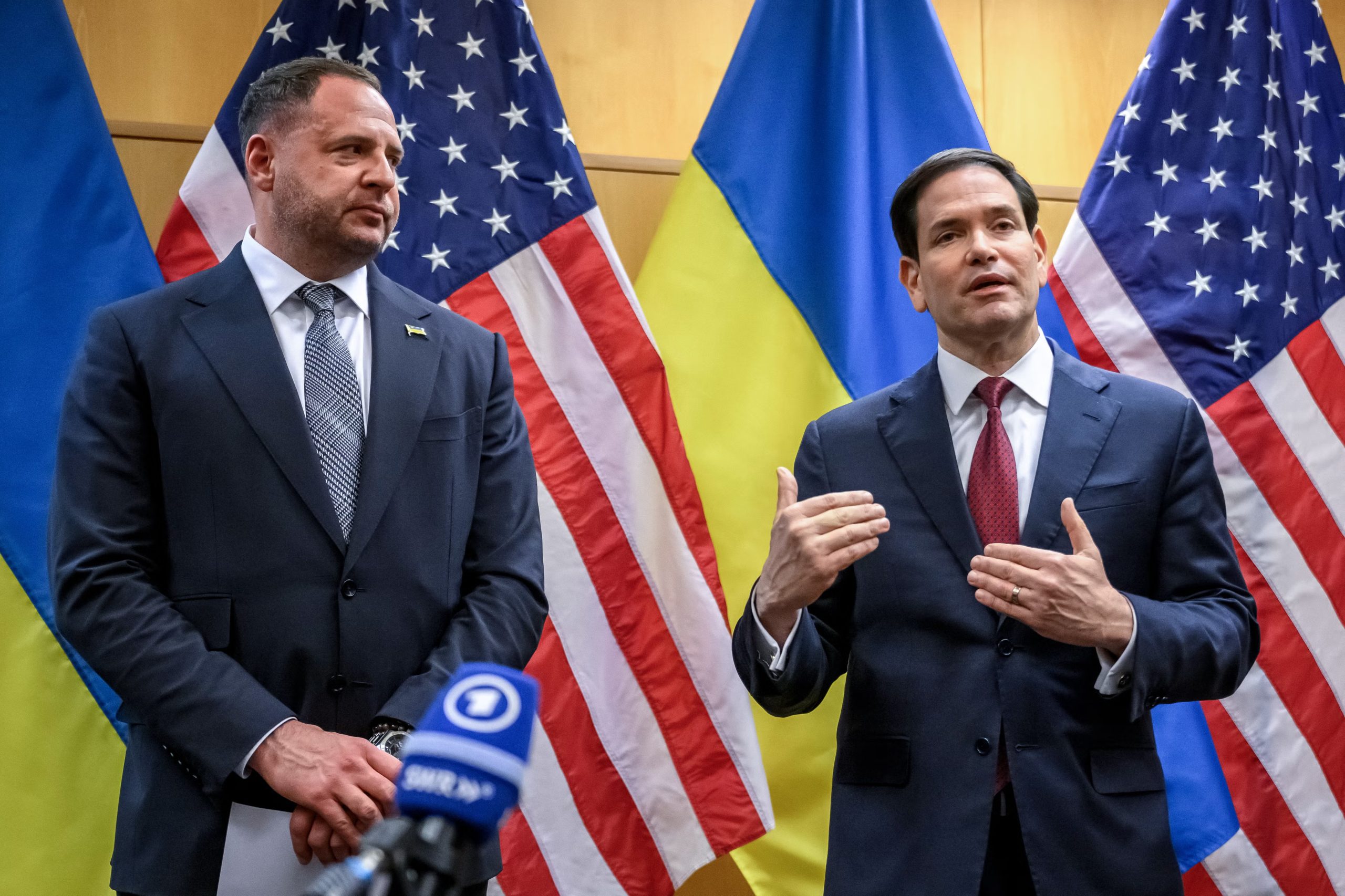 >
>
Consider a non-NATO, yet NATO-esque alliance. This entity, uniting Western powers, could inject pause into Putin’s calculations. It would require a united front and the kind of confidence the Kremlin projects so effectively. The key, however, hinges on genuine unity and a willingness to act decisively, something that has been lacking.
Let’s be frank: Russia, from Putin on down, views “the West” with suspicion. They perceive NATO’s eastward expansion as an encroachment, a clandestine march toward Moscow. The truth, of course, is far more nuanced. Former Eastern Bloc nations embraced democracy and sought NATO membership to safeguard themselves from potential Russian aggression.
Yet, perceptions matter. So, perhaps calling Russia’s bluff makes strategic sense. Incorporating frontline states into the NATO fold could shift the narrative, emphasizing Ukraine and its European allies’ desires for peace.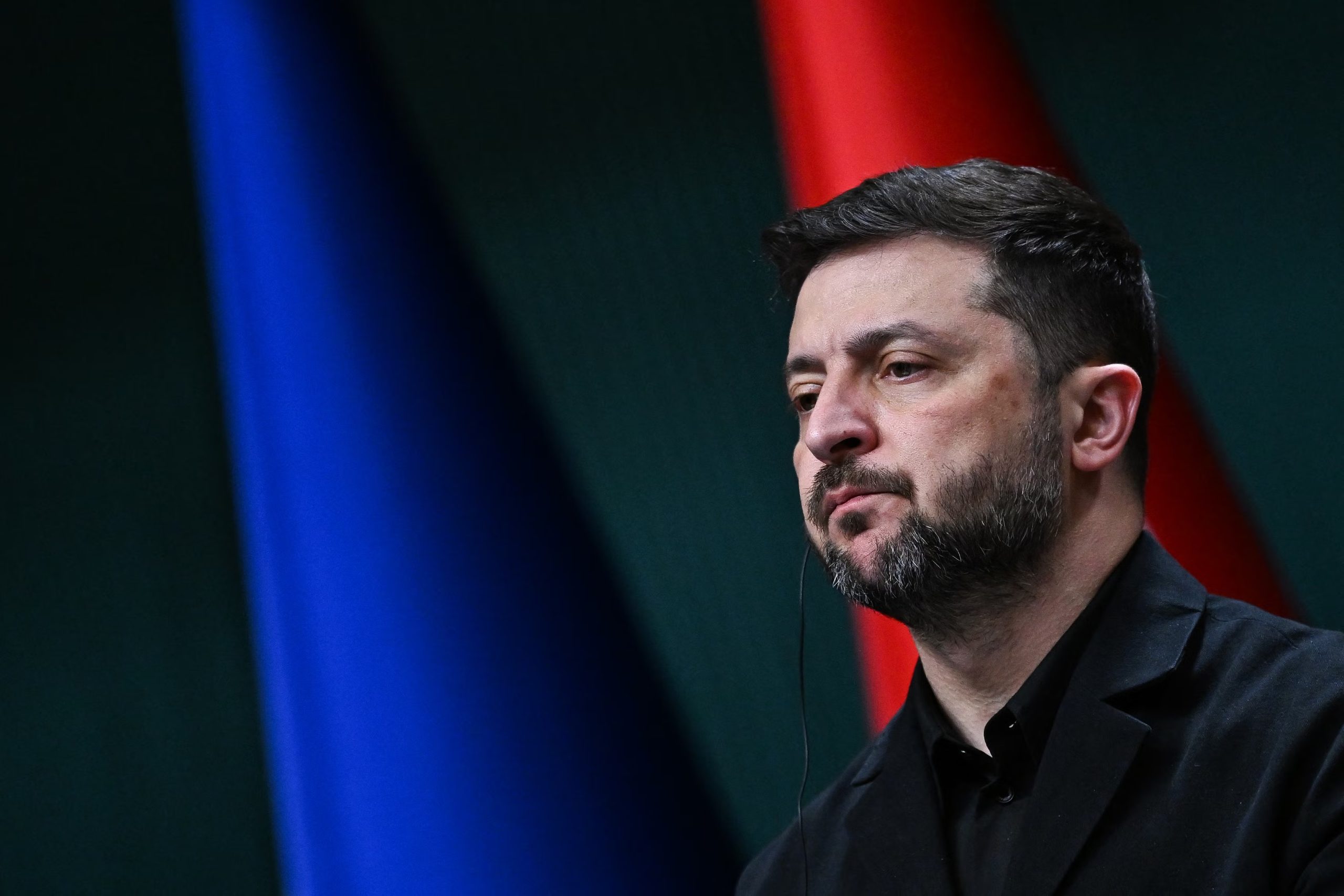 >
>
Russia’s invasion is a naked attempt to seize sovereignty. The pretense of protecting Russian speakers crumbles under the weight of evidence. The devastation Russia inflicts lands primarily on Russian-speaking populations.
America, under a Trump-like banner, tilts toward Russia and undermines the multilateralism that once defined its global leadership. Take, for instance, the G19 in Johannesburg – a G20 minus the US. Their communique, focused on renewable energy, fair mineral deals, and debt relief, stands in direct opposition to Trump’s agenda. Likewise, despite US absenteeism, COP30 saw the UK, Europe, and others reaffirm their commitment to combating climate change.
While the US may favor Russia’s return to the G8 as part of a Ukrainian peace settlement, many disagree. German Chancellor Merz openly doubts the willingness of other G7 nations to readmit Russia. It reveals a clear divergence in strategic vision.
We observe Europe, Ukraine, and staunch Kyiv allies delicately reshaping a peace proposal. Though potentially originating in the US, it smacks of Kremlin influence. Calls for “more work” on the proposal echo. Conversely, a European ceasefire proposal, avoiding a final agreement, has surfaced.
This European proposal shields Ukraine’s future security. Moscow dismissed it out of hand, calling it “unconstructive.” Trump, meanwhile, maintains a hopeful outlook. I wonder if he’s even aware of the alternative Russian-American 28-point plan, concocted by Kushner and Witkoff.
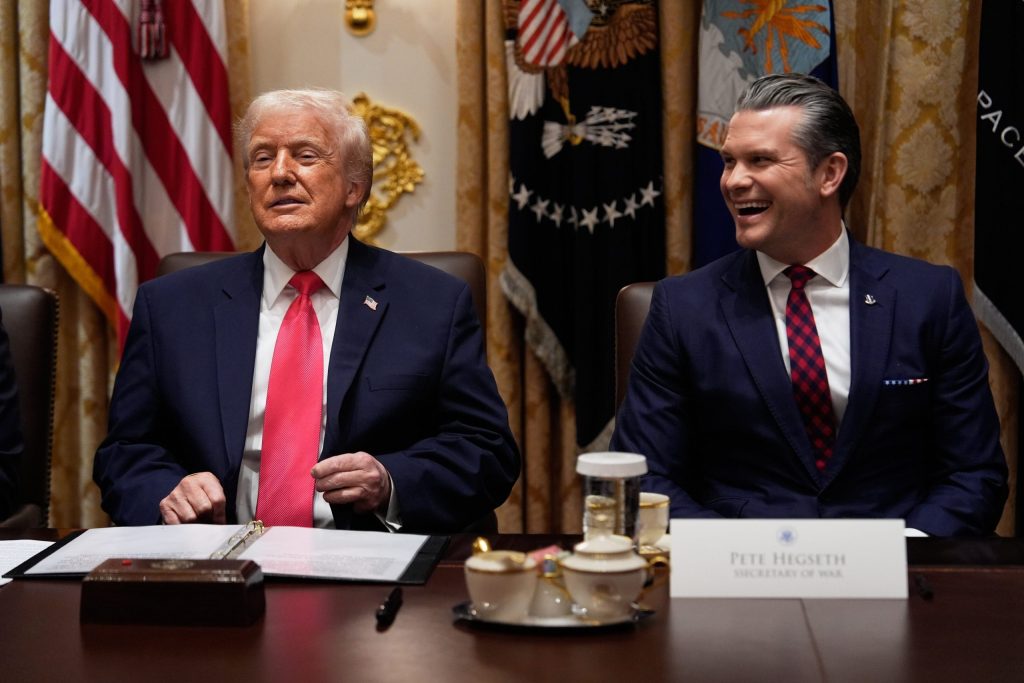
The crux of the matter is this: outside America, there’s a strong desire to prevent Russia from claiming any semblance of “victory” in Ukraine. Trump, on the other hand, appears to suggest Russia should retain the territory it has seized. The differences in approach are stark.
But an alternative exists, a powerful one.
Consider the economic might of NATO nations, excluding the US, Hungary, and Slovenia. Their combined economies dwarf Russia’s. Their defense spending also surpasses Russia’s. This bloc commands a massive force – far exceeding Russia’s capacity to resist.
Finland joined NATO as a deterrent. Incorporating both nations within a NATO framework, or a similar mutual defense pact, strengthens Western security without necessitating exorbitant new spending.
Georgia and Ukraine both have territory under Russian occupation. Facing the prospect of attack from the economic and military power of this bloc, the Kremlin might reconsider its actions. It’s about raising the stakes, creating real consequences.
As Europe advances its ceasefire proposal, it requires a threat that will truly unsettle Putin. A NATO-style defense pact provides exactly that. Swift agreement on this pact would place the Kremlin on the defensive.
The nuclear threat? Let it be made.
Neither China nor the US would tolerate the use of nuclear weapons, even on the battlefield. Moscow would risk catastrophic retaliation. Russia brandishing its nuclear arsenal is a card it can only play so many times.
Europe and its allies don’t need America to counter the threat from Moscow. The resources are there. The money, the troops, the military strength – all in place. What’s lacking is courage, conviction, and the will to shape history. I’ve seen enough of these geopolitical standoffs to know that resolve, not just resources, often determines the victor.
Ultimately, the question becomes: will Europe seize the moment and act in its own best interests, or will it continue to be tethered to the whims of American politics? The answer will define the future of the continent.


![[post_title]](https://samony.com.ng/wp-content/uploads/2025/12/1764723204_Claudia-Black-Discusses-Star-Wars-Series-Season-2-More-300x169.jpg?lm=692F8A07 "Claudia Black Reveals Why She Won’t Return for “Ahsoka” Season 2")
![[post_title]](https://samony.com.ng/wp-content/uploads/2025/12/1764722359_Stocks-Bounce-Back-With-Tech-Led-Gains-Stock-Market-Today-300x201.jpg?lm=692F86BA "AI-Fueled Rally: Hope or Hype?")
![[post_title]](https://samony.com.ng/wp-content/uploads/2025/12/Court-Discharges-Michael-Adenuga-Of-N5Bn-Fraud.webp-300x169.jpeg?lm=692F8734 "Adenuga Cleared in N5 Billion Fraud Case: Implications for Nigeria’s Anti-Corruption Fight")

![[post_title]](https://samony.com.ng/wp-content/uploads/2025/12/27-year-old-man-found-dead-in-deep-well-in-Ogbomoso.jpg?lm=692F8D06 "Ogbomoso Well Death: Unanswered Questions and Community Concerns")
![[post_title]](https://samony.com.ng/wp-content/uploads/2025/12/Edo-lawmakers-summons-2Babas-wife-Natasha-Osawaru-over-alleged-misconduct-1024x512.jpg?lm=692F8D9E "2Face Idibia’s Wife Summoned: Is This Fair or Just Public Pressure?")